×DER AaN Nodule Care
Signature
Nodule Care
Releasing hard lumps left after a procedure, DER AaN Nodule Care
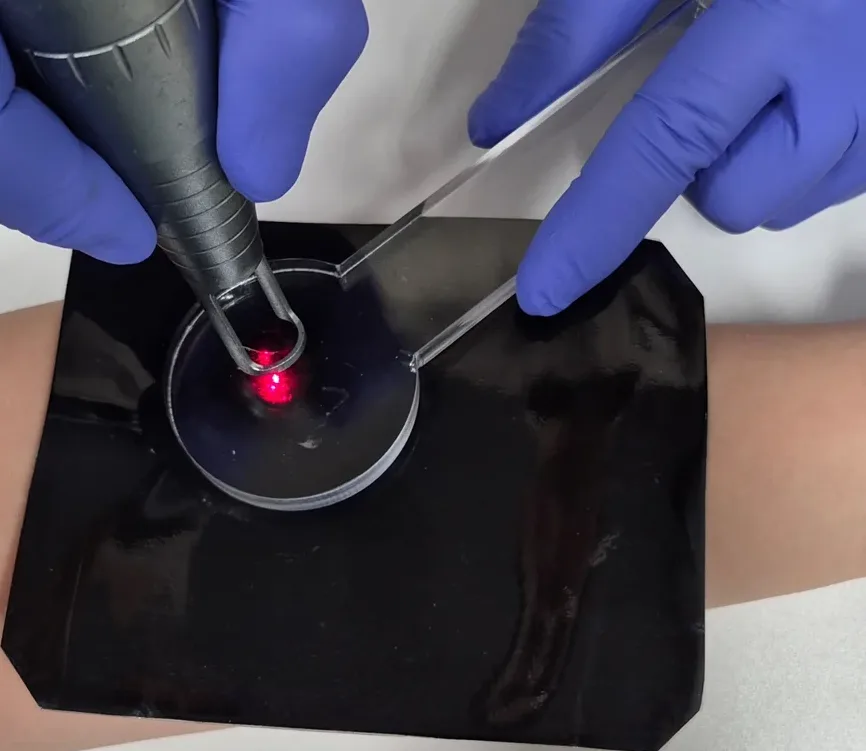
DER AaN Nodule Care Nodule Care
After a filler, collagen booster or thread procedure, you may feel a lump in the skin, or swelling may not subside and may harden. The tissue that remains clumped at the treatment site like this is called a nodule.
DER AaN's Nodule Care is a treatment that first releases the tissue adhered around the lump, then works on the hardened tissue with laser and shockwaves to help reduce the size and firmness of the lump. Because the cause and condition differ from person to person, the physician examines it by hand and decides the order.
Treatment InfoNodule Care Procedure informationMay vary depending on individual skin condition
- Procedure time
- Varies by condition
- Treatment area
- Filler · collagen booster · thread treatment areas (under the chin · cheeks · nasolabial folds, etc.)
- Treatment interval
- Interval · number of sessions decided by monitoring progress
- Downtime
- Redness · mild swelling may occur
Nodule Care How it works
A nodule rarely forms from a single cause. When blood or swelling that pooled after a procedure is not cleared in time, fibrous tissue gathers there and adheres to the surrounding tissue, gradually becoming a hard lump. If the lump pulls on its surroundings, it can look raised or uneven from the outside.
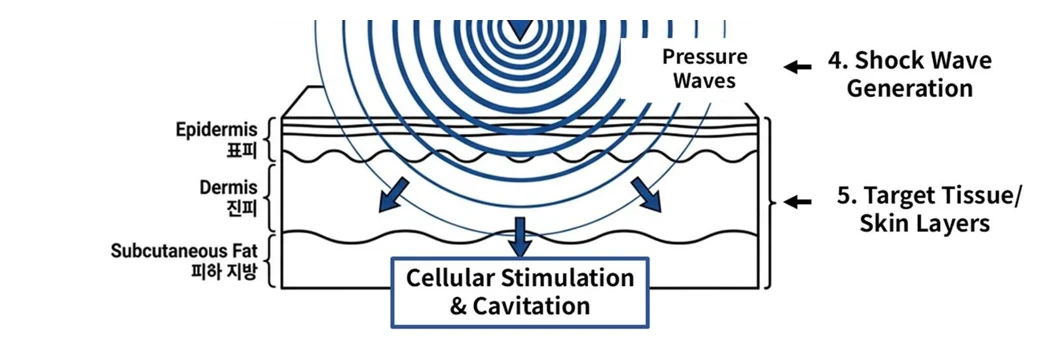
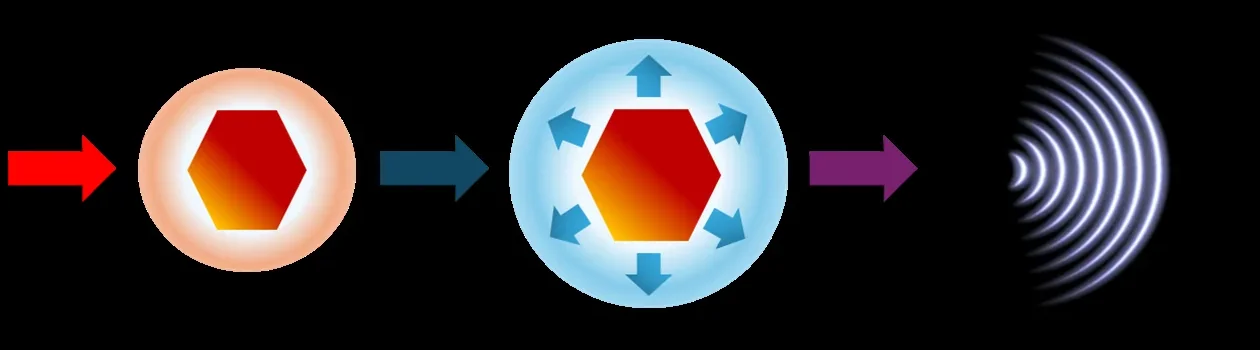
So rather than targeting only the lump, we first release the tissue that has adhered. Then, when the laser energy is switched from a patch to shockwaves and delivered into the skin, the hardened tissue softens and the pooled swelling and bruising disperse, so improved circulation can be expected. Over time, as the tissue resettles, the pulling and volume of the lump decrease.
POINT01
First releasing the adhered tissue
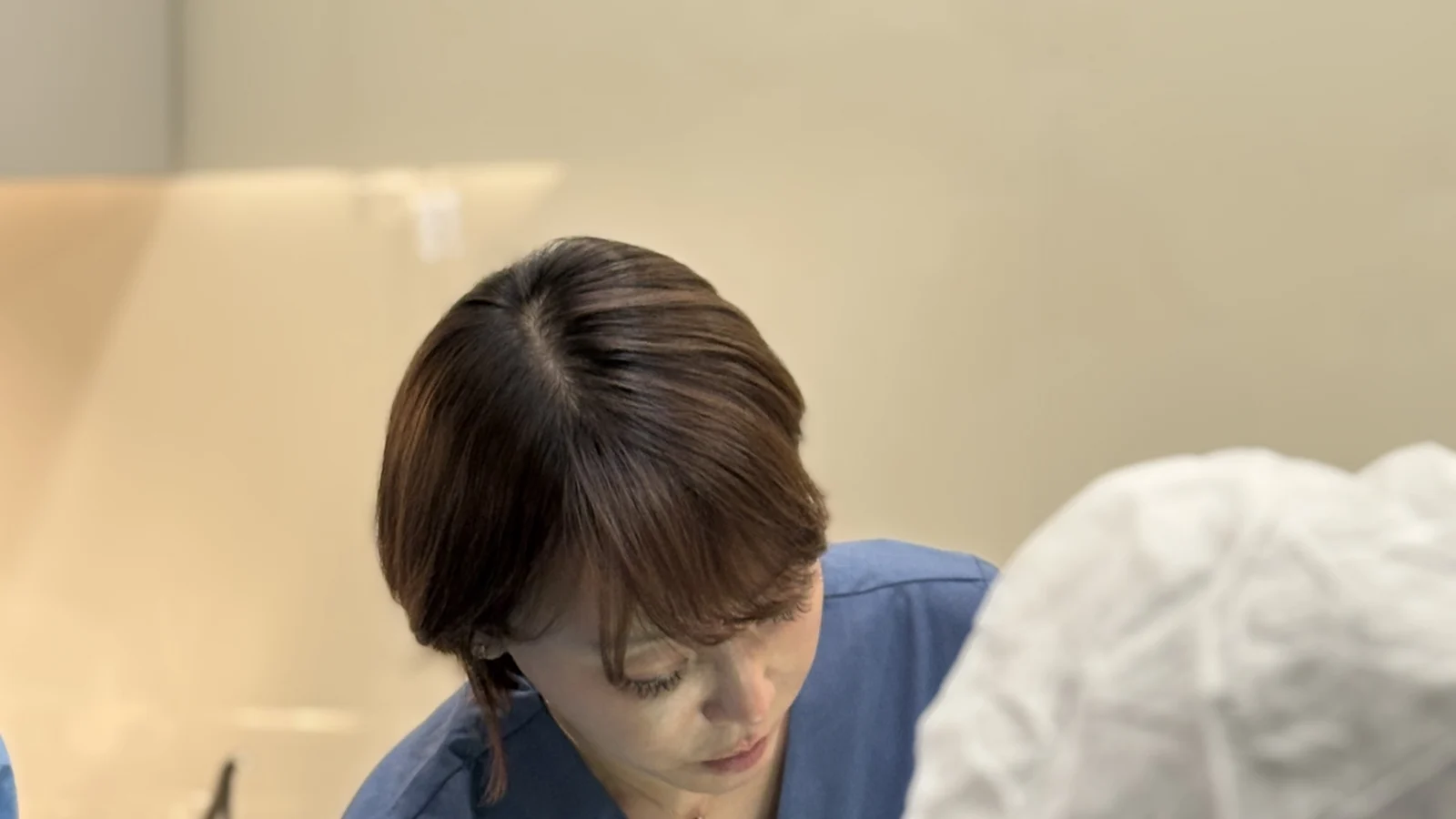
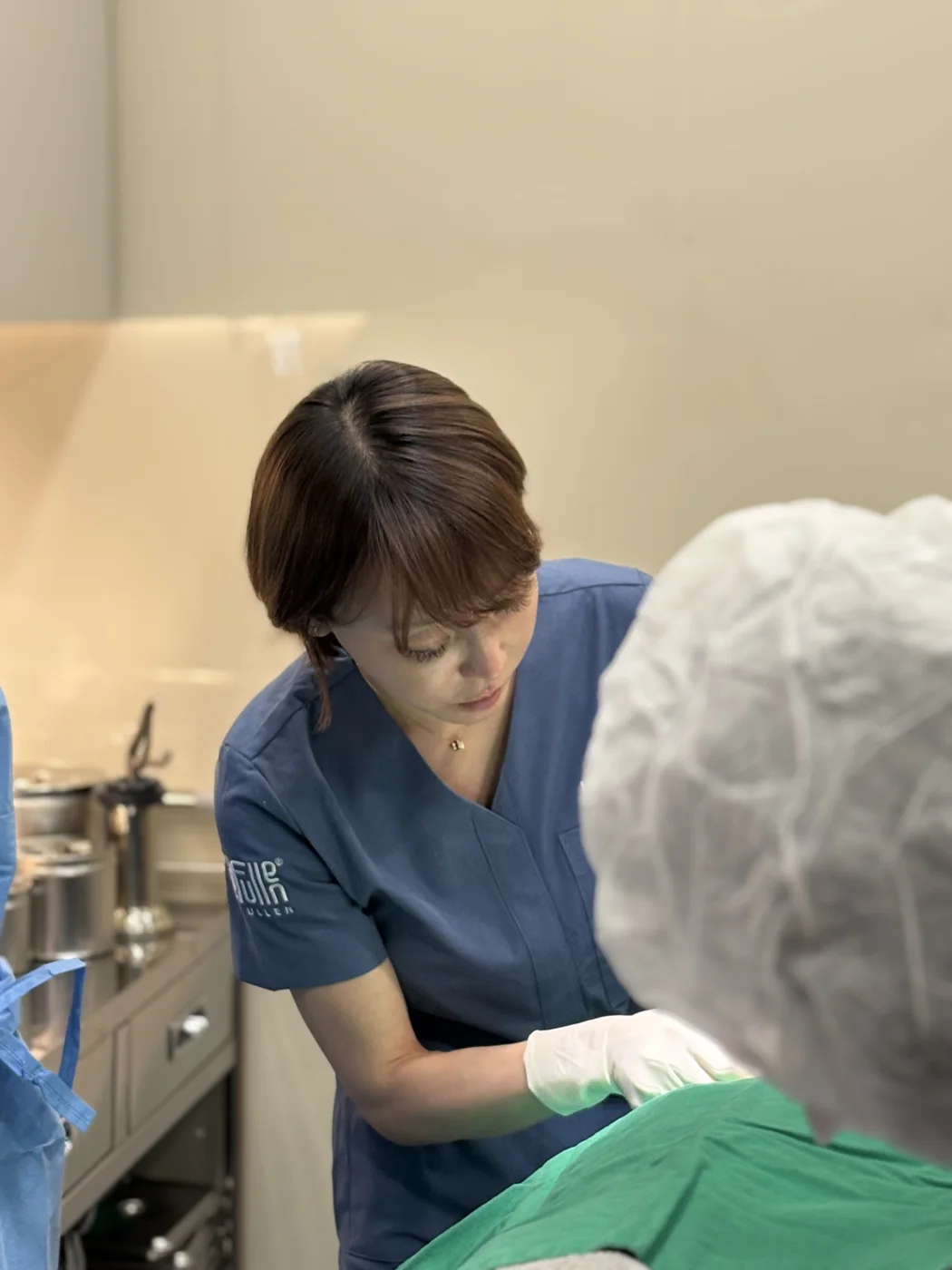
When a lump is tangled with surrounding tissue, treating only that spot will not release it well. The physician feels it by hand to check the extent and depth of the adhesion, and first releases the tissue that is pulling.
POINT02
Converts the laser into shockwaves and delivers it to hardened tissue
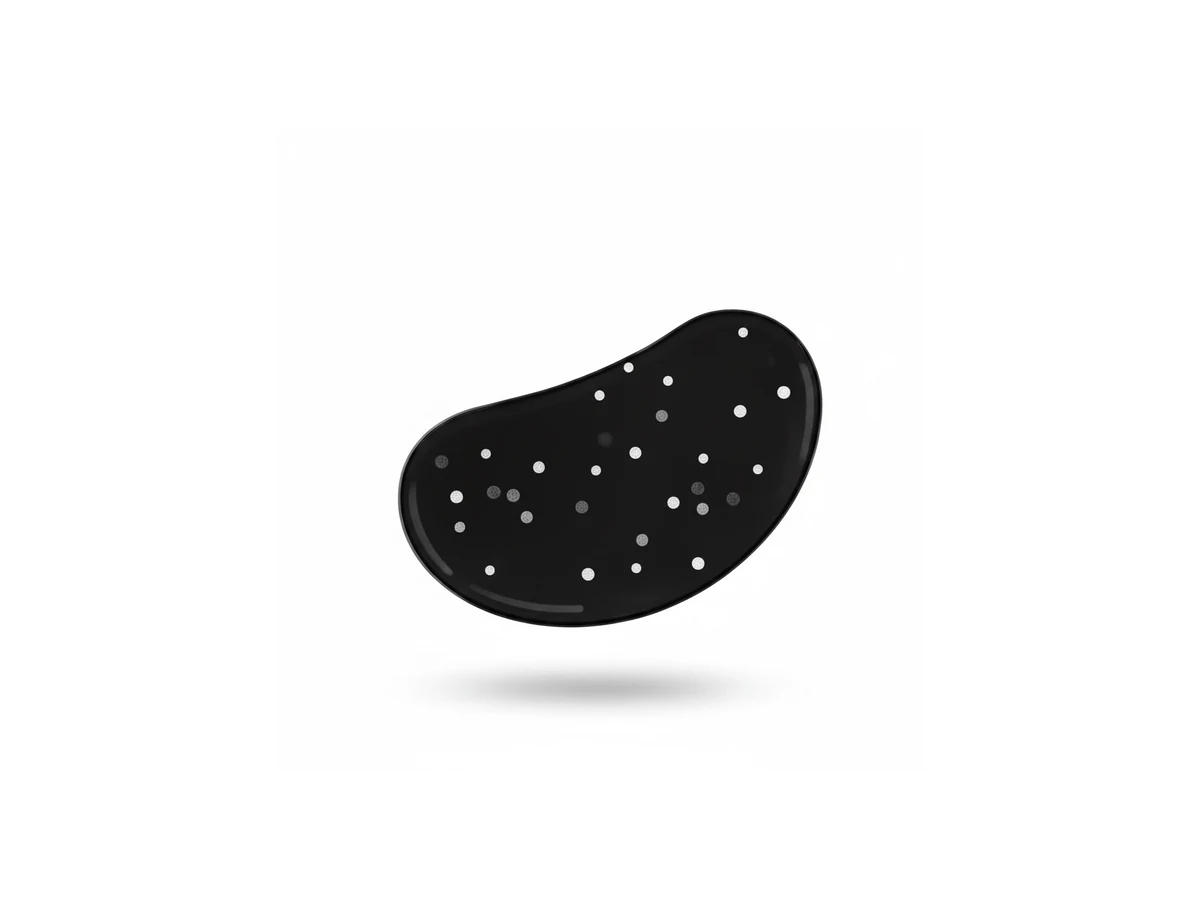
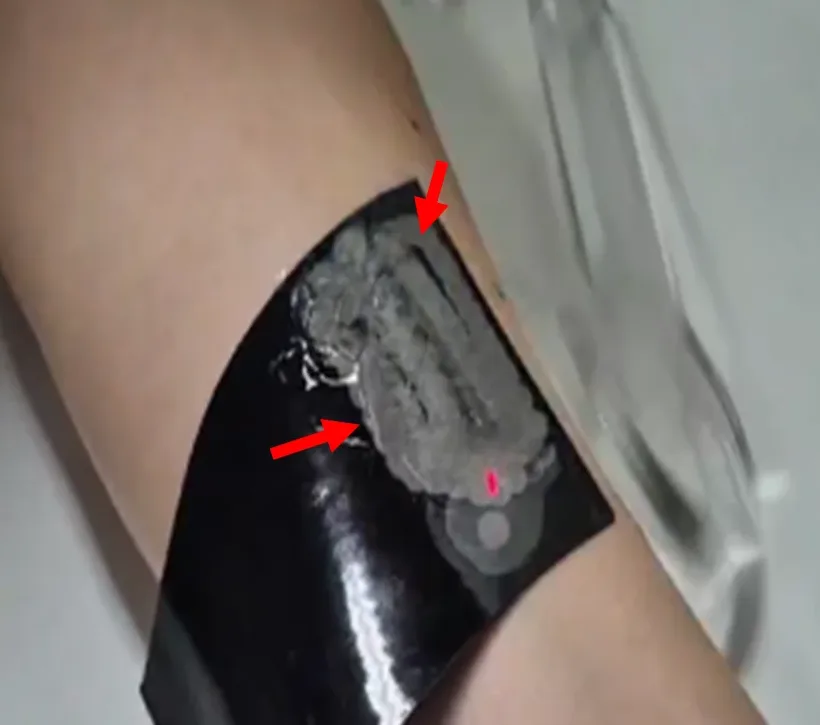
The patch attached to the skin receives laser energy and converts it into shockwaves. Rather than burning with heat, it stimulates with pressure waves to help firmly clumped tissue soften.
POINT03
We adjust the number and order of sessions as we watch your progress
Response differs depending on when a nodule formed, its cause and its size, and varies from person to person. At each session we check how it feels and its shape, then set the interval and scope of the next care.
Nodule Care Before and After
BEFORE
AFTER
Before-and-after photos show the results of individual patients, and results may vary from person to person. They are published with the patient's consent, and redness, swelling, bruising and similar effects may occur.

Medical Aesthetic SafetyA physician who has handled problems after procedures checks the cause first
A physician who has handled problems after procedures checks the cause first
checks the cause first
Dr. Kyungeun Lee, Medical Director
- Merz Medical Aesthetics Safety Management Symposium — Panel on managing patient dissatisfaction after injection procedures (Sept. 2026)
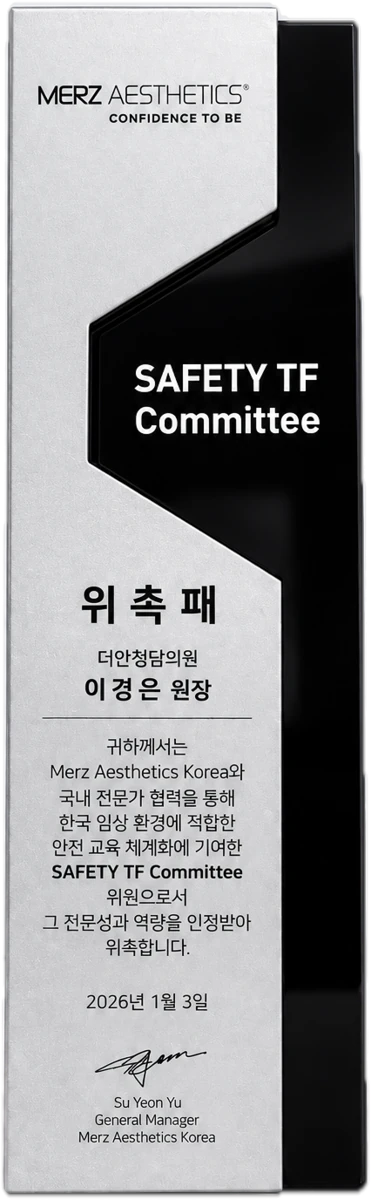
- Appointed to the Merz Aesthetics Safety TF Committee
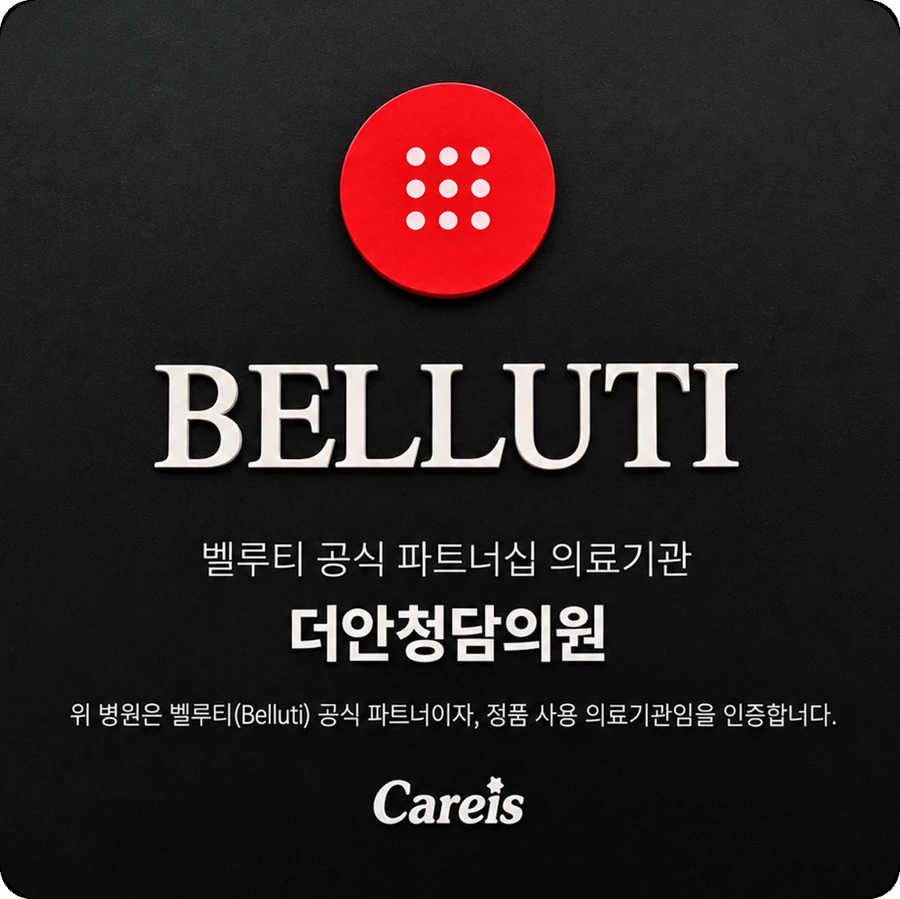
- Official APTOS trainers (3 in Korea) — treatment design · education
- Specialist, Samsung Medical Center
Lectures · Press
As seen by academic societies and the media — Nodule Care
Dr. Kyungeun Lee Nodule CareA record of lectures and explanations by Dr. Kyungeun Lee on the topic of hip collagen.
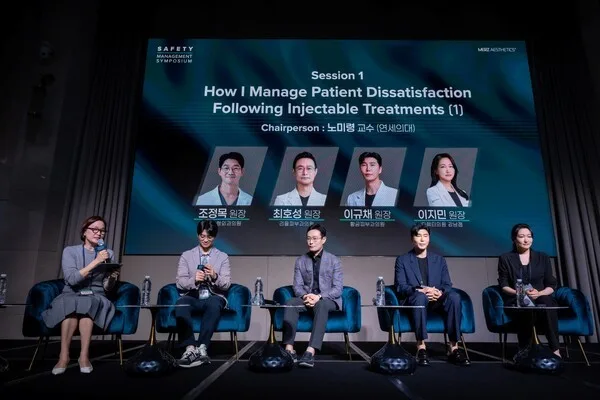
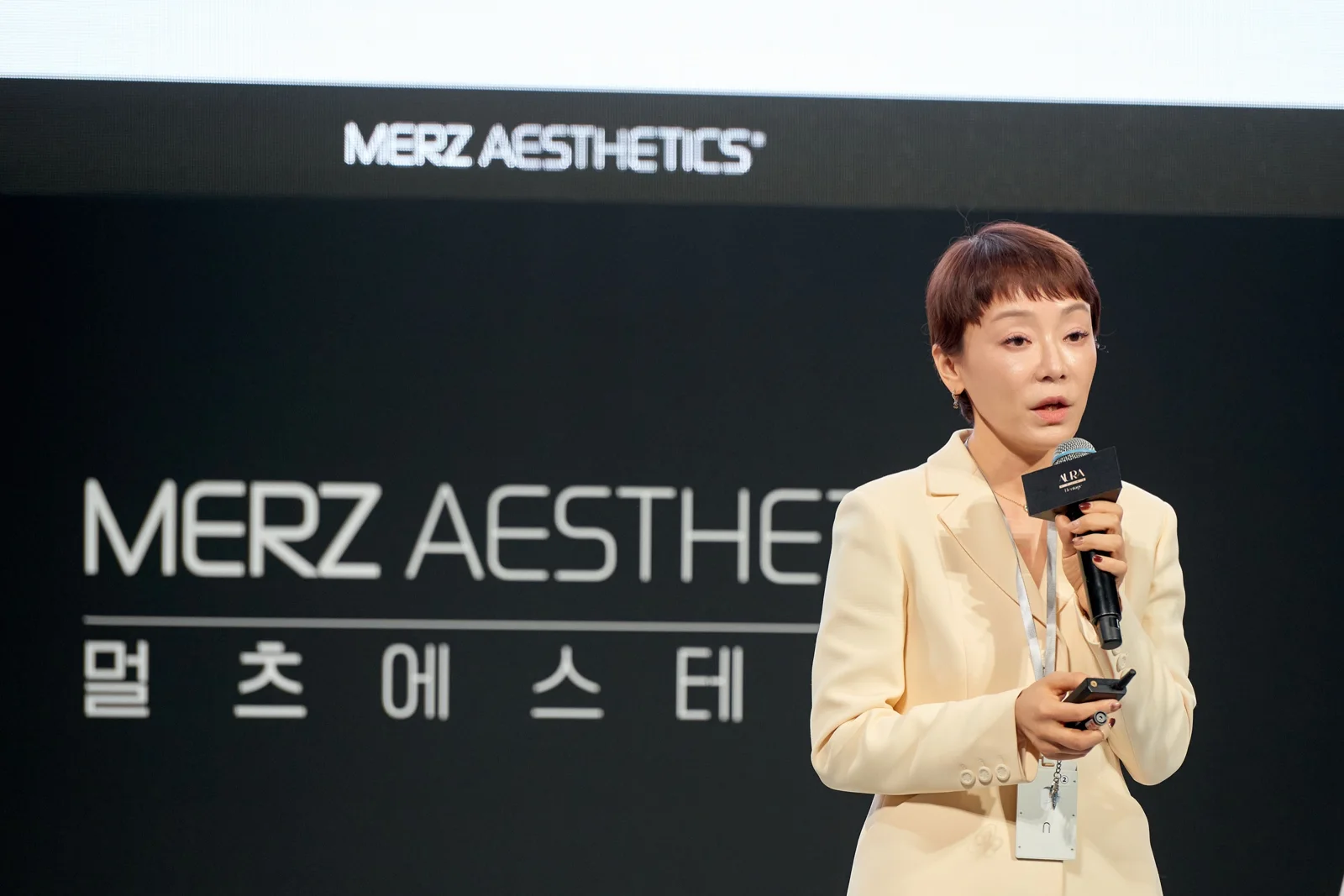
Press · Bosa (Medical Newspaper) · 2026. 09. 17Merz focuses on managing aesthetic complications… sharing patient safety practicesThe Merz Aesthetics Korea "Medical Aesthetics Safety Management Symposium", held on September 16 at Josun Palace Seoul Gangnam. Dr. Kyungeun Lee joined the panel discussion on "Managing patient dissatisfaction after injectable treatments" and shared her experience handling real cases.
Lectures
- Managing patient dissatisfaction after injectable procedures — panel discussionMerz Aesthetics Korea Medical Aesthetic Safety Management Symposium · Panelist
Nodule Care
Who it's for
- 01 For those who feel a lump in the skin after a filler or collagen booster
- 02 For those with hard swelling under the chin or on the cheeks that lingers long after thread lifting
- 03 For those whose treated area looks raised or uneven even after time has passed
- 04 For those who feel discomfort or a foreign-body sensation when pressing on a lump
- 05 For those worried about how a procedure received elsewhere is progressing and who want to have it checked

Nodule Care
Precautions
- The care method and number of sessions depend on the cause and condition of the nodule, and response varies from person to person.
- Redness or mild swelling may appear right after care, and most of it settles within a few days.
- Please avoid massaging the lump area by pressing or rubbing it hard yourself.
- If you suspect inflammation, such as worsening heat or pain or spreading redness, please let the clinic know right away.
- Telling us the type and timing of procedures you had before helps us assess your condition.
Nodule Care
FAQ
Frequently asked questions
These are the questions we are asked most often during consultations. Answers may vary depending on your individual skin condition.
Why do nodules form?
It often occurs when blood or swelling that pooled after a procedure does not drain well, or when fibrous tissue tangles around the injected ingredient. It varies with the treatment area, injection depth and each person's recovery response, so at the consultation we feel it by hand and estimate the cause.
Won't it go away on its own over time?
Swelling right after a procedure mostly settles over time. However, if it still feels hard or becomes more prominent after several weeks, the tissue may be hardening, so it is best to have it checked.
Can I receive care for procedures I had at another clinic?
Yes, it is possible. Telling us when and which procedures you had helps us assess your condition. Because the care approach depends on the cause, we check it first at the consultation.
How many sessions do I need?
It depends on the size and firmness of the nodule and when it formed. We set the interval and number of sessions while monitoring progress, and at each visit we check how palpable it is and adjust the next step.
Is it painful, and is a recovery period needed?
It is performed without incisions, and redness or mild swelling may occur right after the session. Most people can return to daily activities the same day; if you are concerned about pain, please let us know in advance at the consultation.
How much does it cost?
It varies with the location and extent of the nodule and the number of sessions needed; we advise after checking your condition at the consultation.
If a lump you can feel has been bothering you.
Starting from the cause: DER AaN Nodule Care
Nodule Care, tailored to your face
we design it together at your consultation
Contact us whichever way is most convenient — KakaoTalk, Naver booking, phone, or the consultation form on our website.