Turning laser energy into pressure stimulation through a carbon patch and optics, Shock Lifting for depressions and uneven lines
1064 nm Q-switched laser · planned and performed personally by Dr. Kyungeun Lee
×
On the dips and curves of the body line, The patch receives the laser, and the skin is stimulated by pressure
Shock Lifting is a treatment in which a light-absorbing carbon patch placed on the skin, and an optic placed over it, absorb and convert 1064nm Q-switched laser energy to create localized pressure stimulation only at the area of concern. Instead of the laser touching the skin directly and producing heat, the patch instantly receives the energy and generates a pressure wave, and that stimulation is delivered through the epidermis toward the dermis and subcutaneous tissue. No heat remains on the surface, and it is performed without incisions.
How the laser is converted into pressure stimulationShock Lifting— three principles
01 Absorb
Carbon patch and optic that receive the laser and convert it into pressure waves
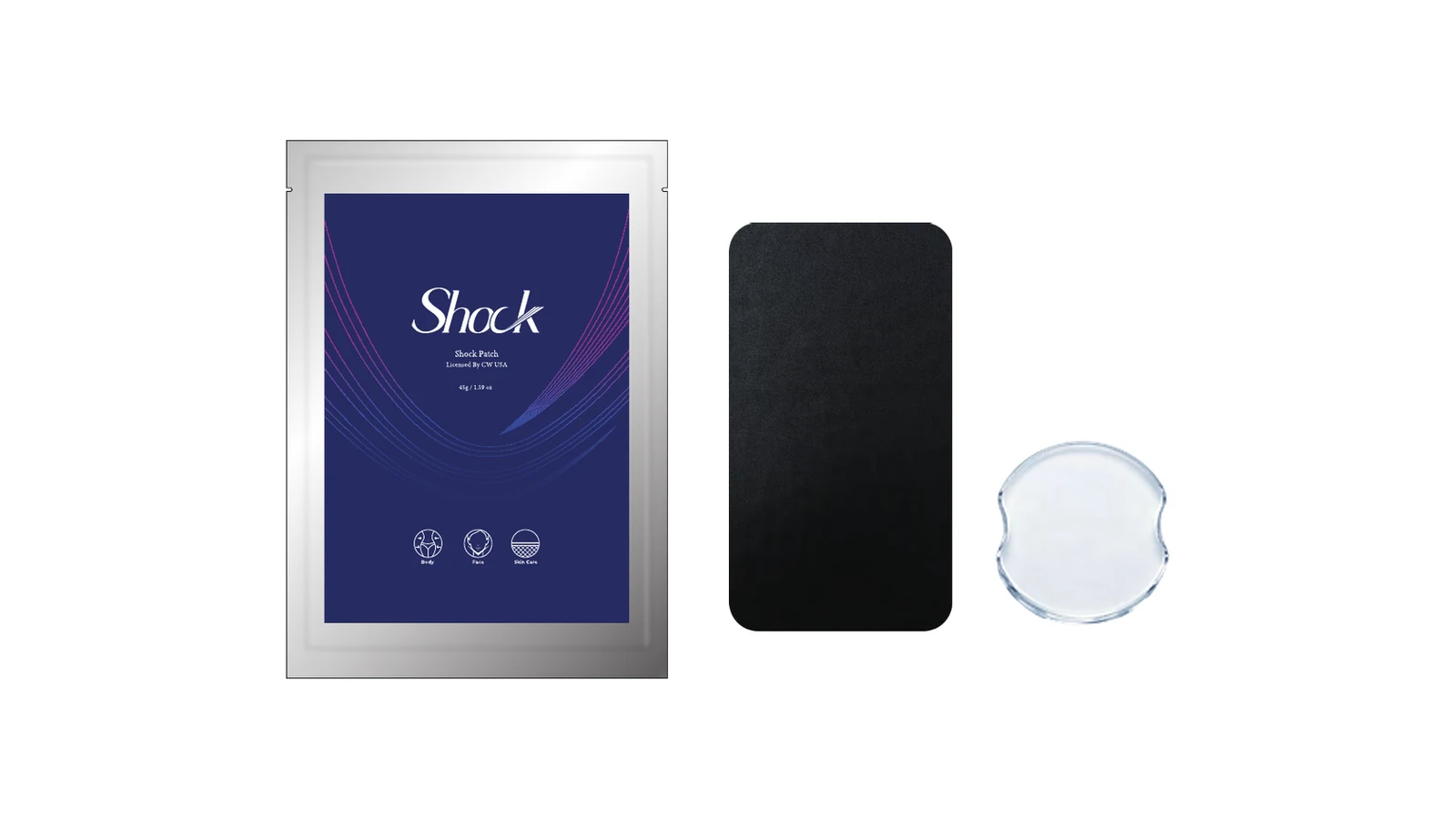
A patch made of high-purity carbon instantly absorbs 1064 nm laser energy in its light-absorbing layer, and that rapid change in energy is converted into an acoustic pressure wave. The laser is delivered to the patch through the optic placed on top of it, and the gel aids contact between the optic and the patch.
02 Pressure
With pressure, not heat — the Shock Wave travels toward the subcutaneous tissue
The pressure stimulation generated by the patch travels from the treated area through the epidermis toward the dermis and subcutaneous tissue. Because the laser does not heat the skin directly, no heat remains on the surface, and the stimulation acts at the boundaries between different tissues.
03 Response
How local stimulation leads to tissue response and ECM changes
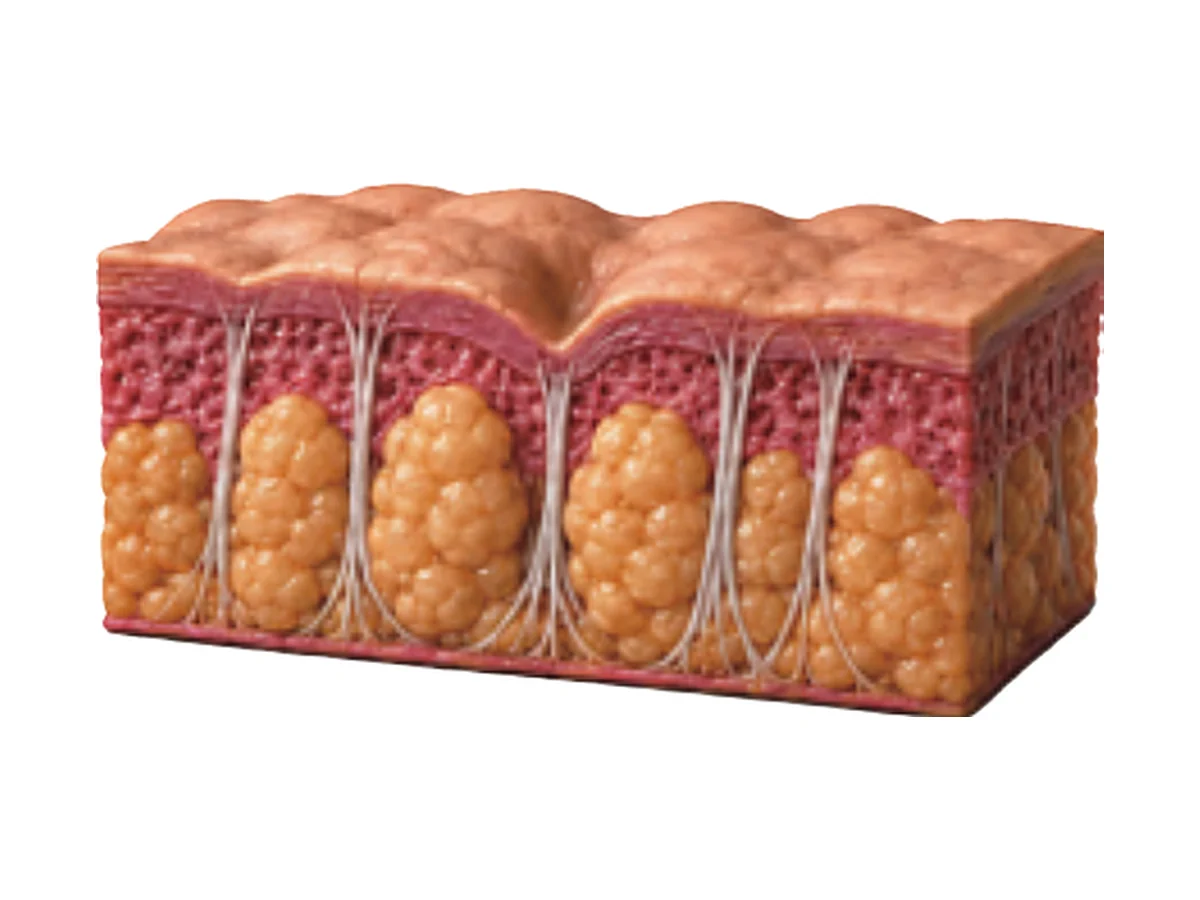
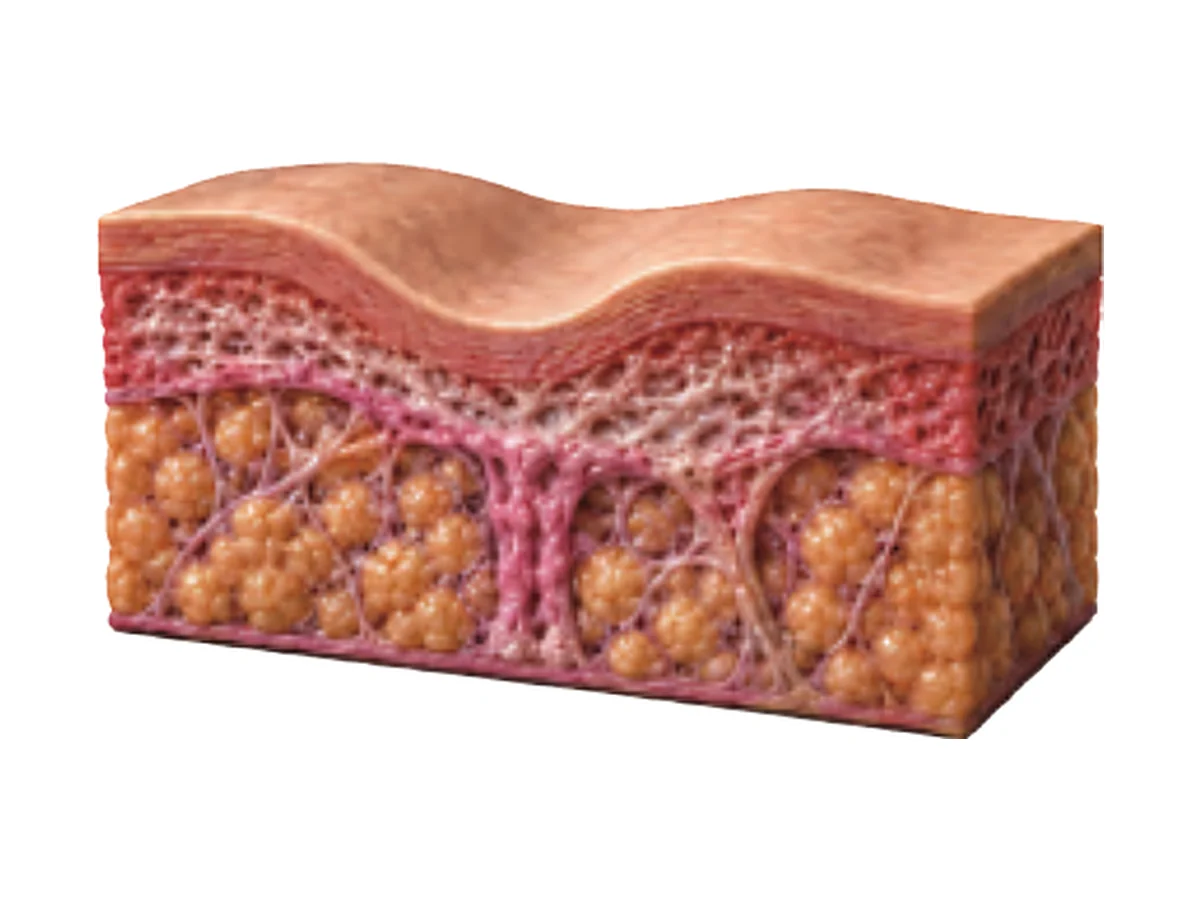
Tissue that receives localized physical stimulation begins to respond, and this response leads to changes in the extracellular matrix (ECM). As stimulation reaches the fibrous structures pulling depressed areas downward and the adhered tissue, depressions and uneven surfaces can be expected to even out over time.
How DER AaN Handles Shock Lifting We locate the depressions, cut the patch to shape and deliver the laser
We palpate the area directly to confirm what will be treated — depressions in the arms, abdomen, thighs or hip line, cellulite irregularities, areas that hardened after liposuction, or the contour under the chin.
PLANPatch cut to the shape of the area · number of sessions
We cut the patch to match the shape of the area of concern and determine where to apply it, then design the treatment range and number of sessions according to the condition of the tissue.
TREATPatch · gel · optic · laser delivered by the doctor
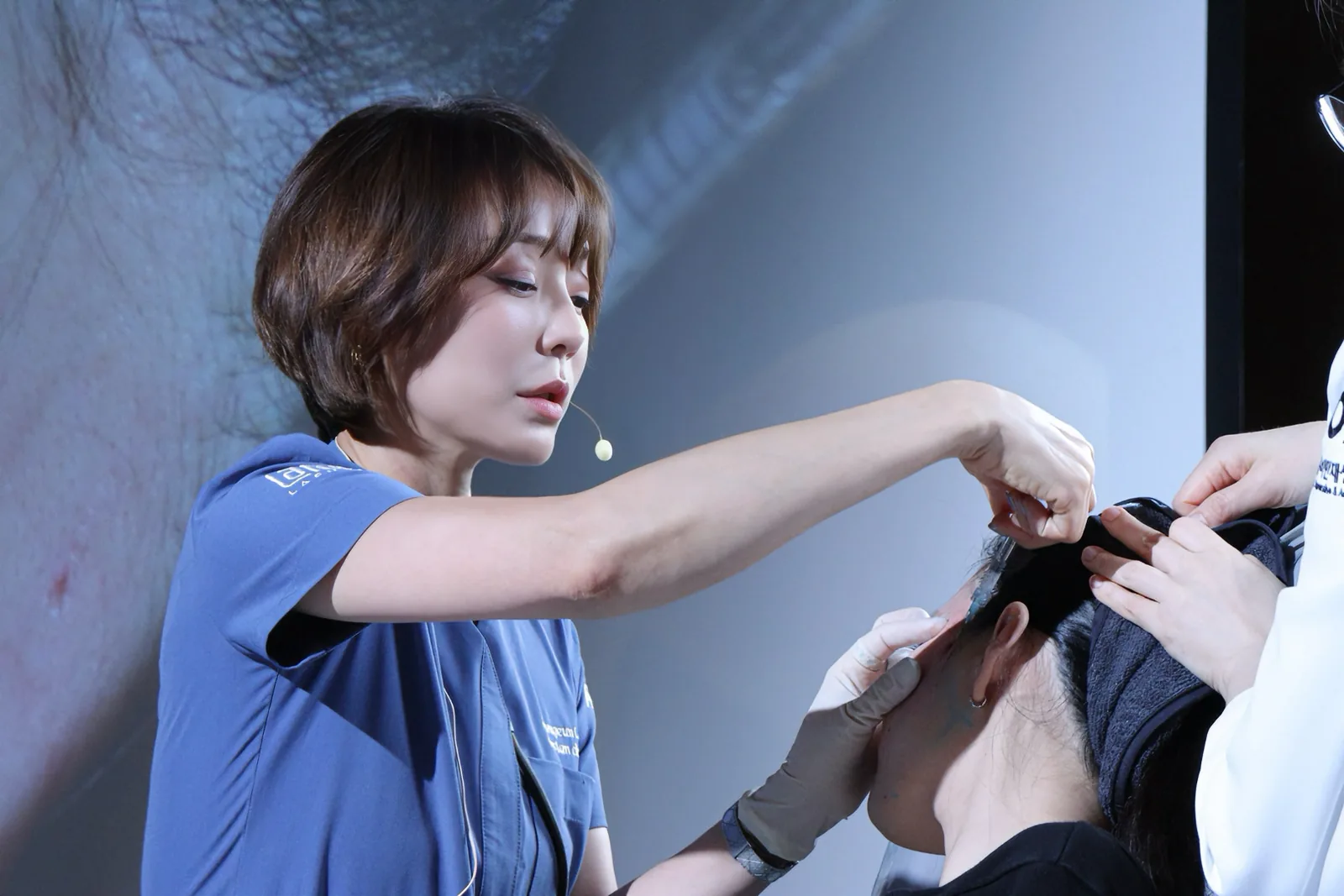
After the patch is applied closely and gel is spread evenly, the optic is placed and aligned, and Dr. Kyungeun Lee moves the handpiece to deliver the laser evenly.
Divided according to the area of concern —Shock Lifting treatment areas
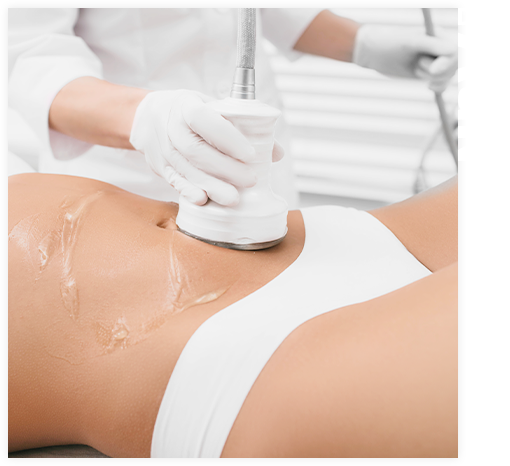
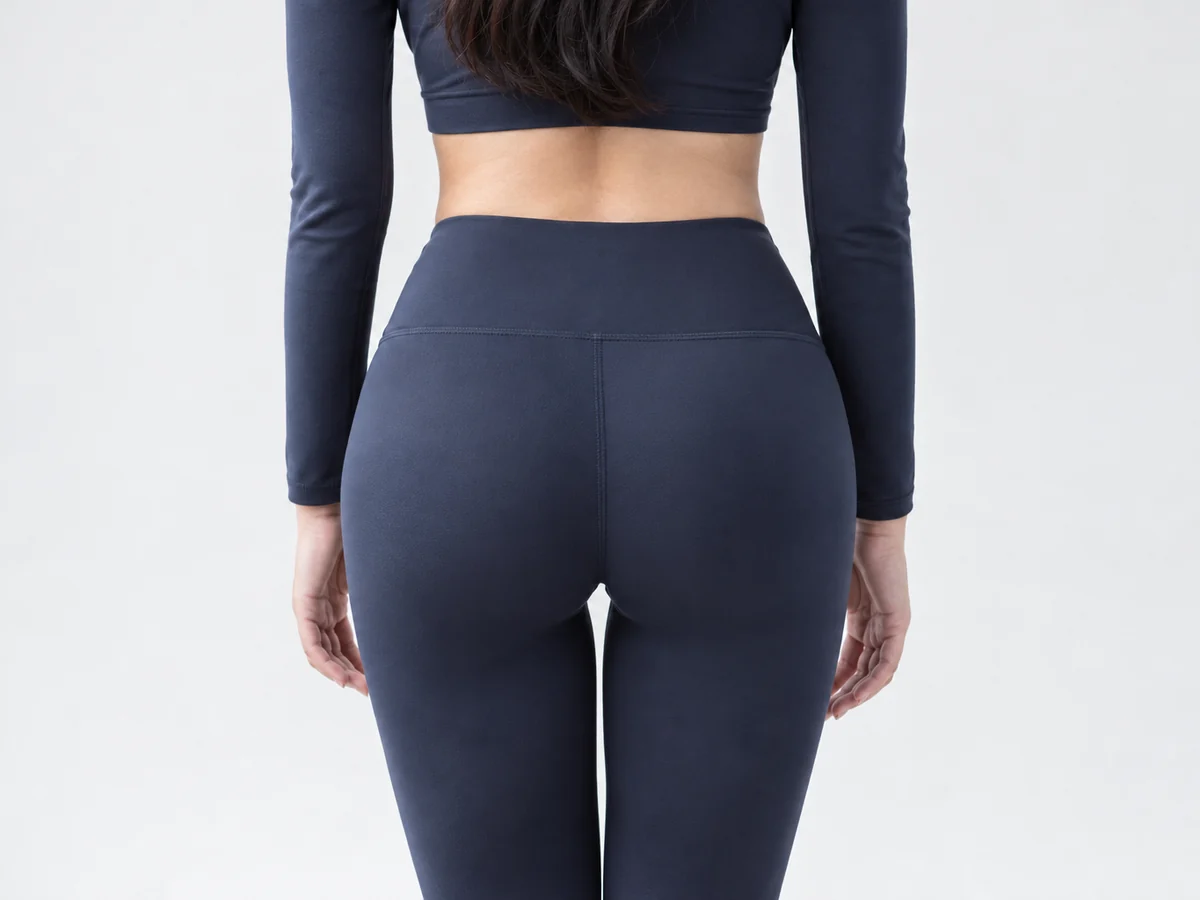
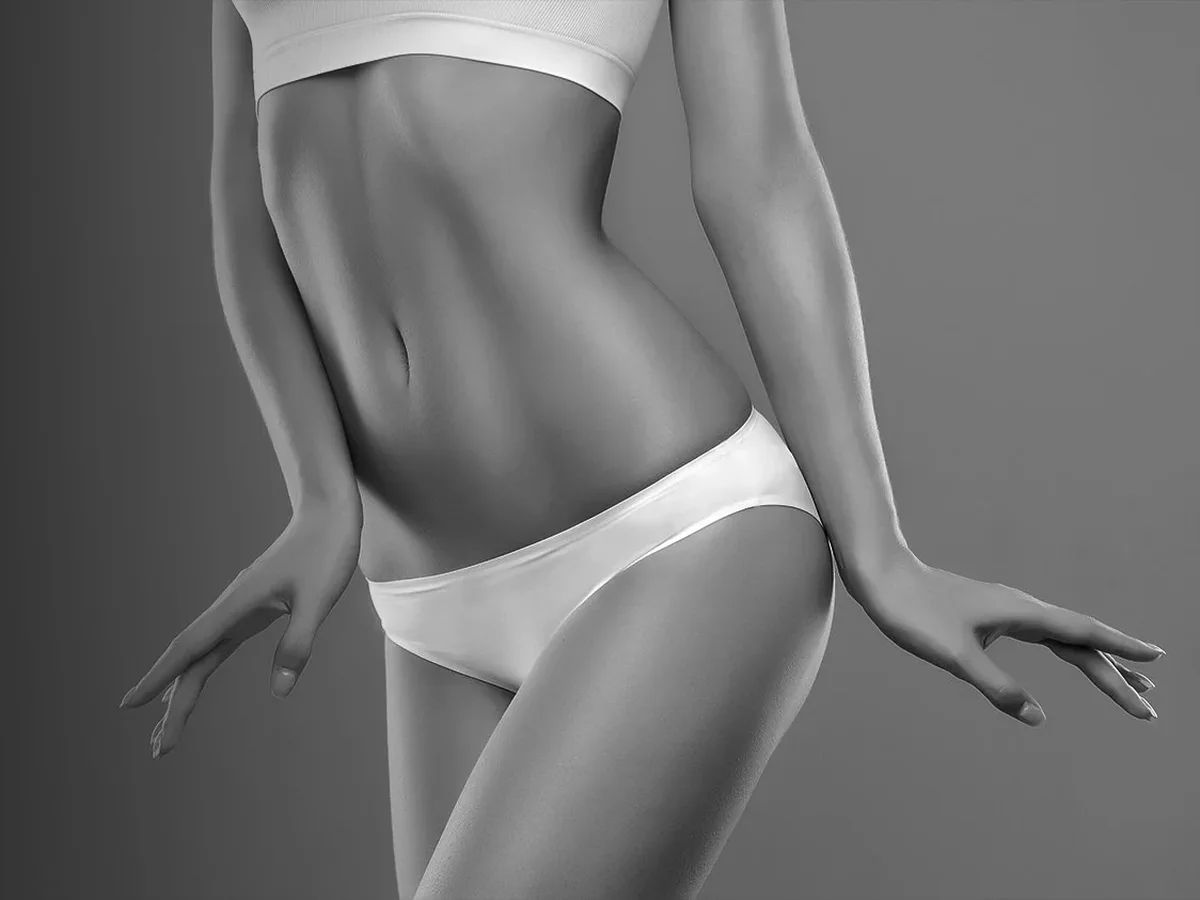
BODYArms · abdomen · thighs · hip line
Cellulite dimpling · localized depressions · irregularities along sagging lines
AFTERLIPOAreas that have hardened after liposuction
Subcutaneous tissue that has become hard and adherent after surgery, with an uneven surface
FACEUnder the chin · Facial contour
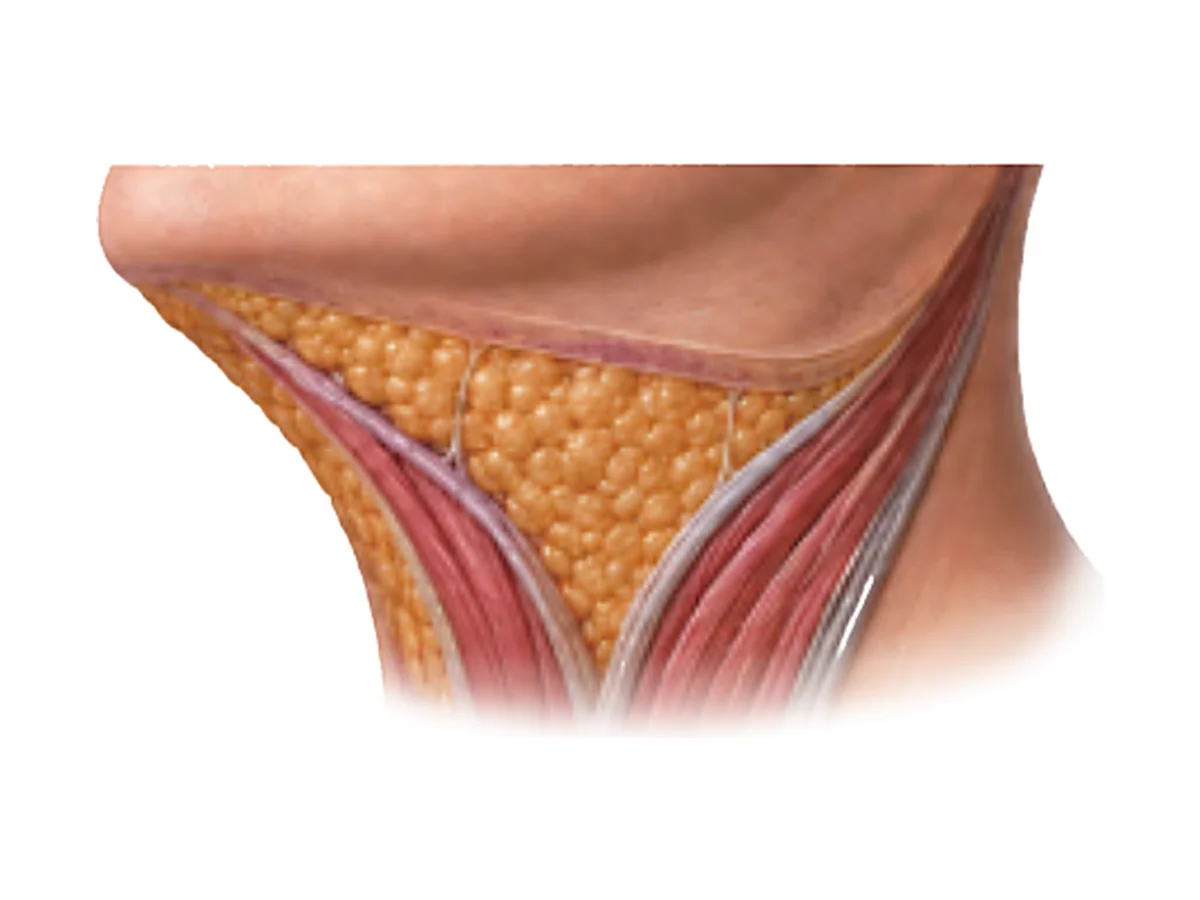
The contour under the chin shaped by fat distribution, skin laxity and the platysma together
The patch can be cut and applied to match the shape of the area of concern, covering everything from narrow depressions to broad irregularities. It is also applied to hardened tissue such as scars and keloids, and it is not used directly on the eye area.
SHOCK LIFTING
The light stops at the patch, The stimulation is directed deep into the skin.
Body Contouring
A doctor who examines your body shape and tissue by hand A doctor who palpates your body shape and tissue determines the patch area
Dr. Kyungeun Lee, Medical Director
Author of “Obesity and Body Contouring, 2nd Edition” · “New Pharmacotherapies for Obesity Treatment”
ONDA Expert Member — body lifting design · treatment
Publications Director, Korean Society of Aesthetic, Obesity and Regenerative Medicine (KORA)
These are the questions we receive most often during consultations, such as treatment areas, pain, number of sessions and combining treatments. Answers may vary depending on each person's tissue condition.
What areas and concerns is Shock Lifting for?
It is used for depressions and cellulite-related irregularities on the arms, abdomen, thighs and hip line, for areas that have become hard or uneven after liposuction, and for an uneven contour under the chin. It is applied in the same way to hardened tissue such as scars and keloids. During the consultation we first palpate the tissue directly to confirm whether it is suitable.
Is Shock Lifting painful? Is anesthesia used?
Because the laser does not touch the skin directly and the patch receives the energy, you feel a brief snapping pressure on the patch rather than heat. It is usually performed without anesthesia; if you are sensitive to pain, let us know during the consultation and we will adjust the treatment area and pace.
Is there a recovery period after the procedure? Can I return to daily life right away?
Because no heat remains on the surface, there may be temporary redness or mild swelling right after the procedure, which usually subsides within a day or two. As it is performed without incision or anesthesia, you can go about your day as usual. Avoid rubbing the treated area vigorously or exposing it to hot stimulation such as saunas for a few days.
How many sessions, and at what intervals?
Because the tissue response continues over several weeks, sessions are usually spaced 3–4 weeks apart, with the number of sessions determined by the area and tissue condition. Mild depressions may need fewer sessions, while areas that have hardened after liposuction or broad cellulite irregularities are planned over several sessions. As this varies from person to person, we provide guidance during your consultation.
Can it be combined with Body Lifting (ONDA) or liposuction?
Sagging skin and fat are addressed with body lifting, while localized depressions and hardened tissue are addressed with Shock Lifting, so the two complement each other. It is also applied to unevenness and adhesions remaining after liposuction; when to start after surgery and the order and interval of the two treatments are decided at the consultation based on your recovery.
Belluti Lifting also fires a laser at a patch. How is it different from Shock Lifting?
In both treatments, a patch receives the laser and creates pressure stimulation, but at DER AaN they are used on different areas. Belluti Lifting is used on thin areas of the face such as under the eyes, cheeks and jawline, while Shock Lifting is used on depressions and contours of the arms, abdomen, thighs and hip line, hardened tissue after liposuction, and the contour under the chin. Cutting the patch to fit the area before applying it is also a feature of Shock Lifting.
Are there any precautions, or cases where this treatment is not suitable?
It is not used directly on the eye area. If there is a wound, infection or active skin condition in the treatment area, we proceed after it has healed; if you are pregnant or have a keloid-prone constitution or any other condition that needs to be checked, please tell us during the consultation. For a few days after the treatment, avoid massaging the treated area and exposing it to heat, and if redness persists, please let the clinic know.
Results and how long they last may differ depending on individual skin condition, and our medical staff will explain possible side effects during the consultation.


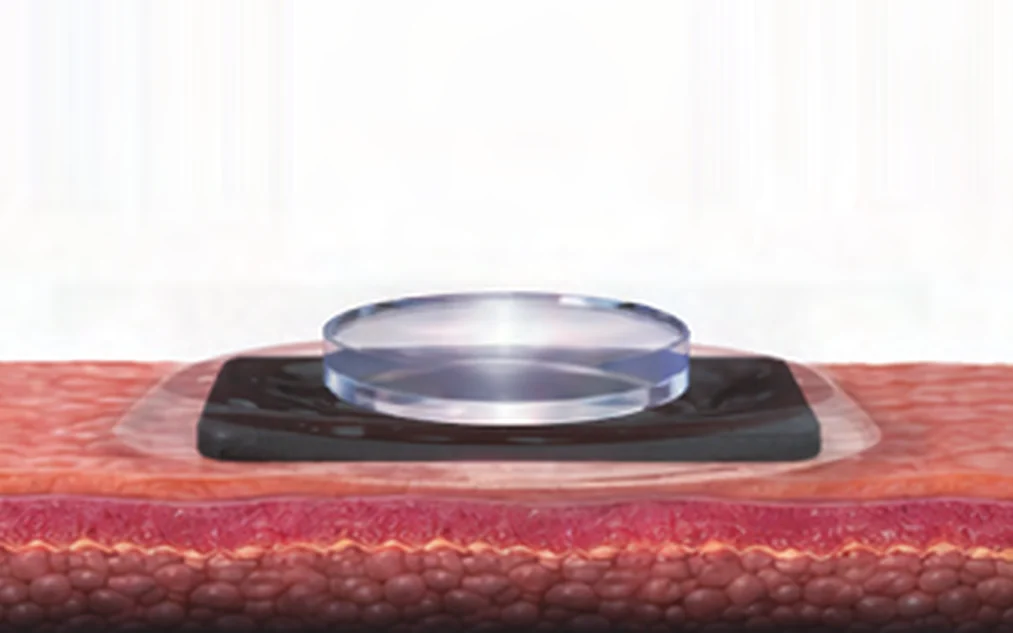 01 Absorb
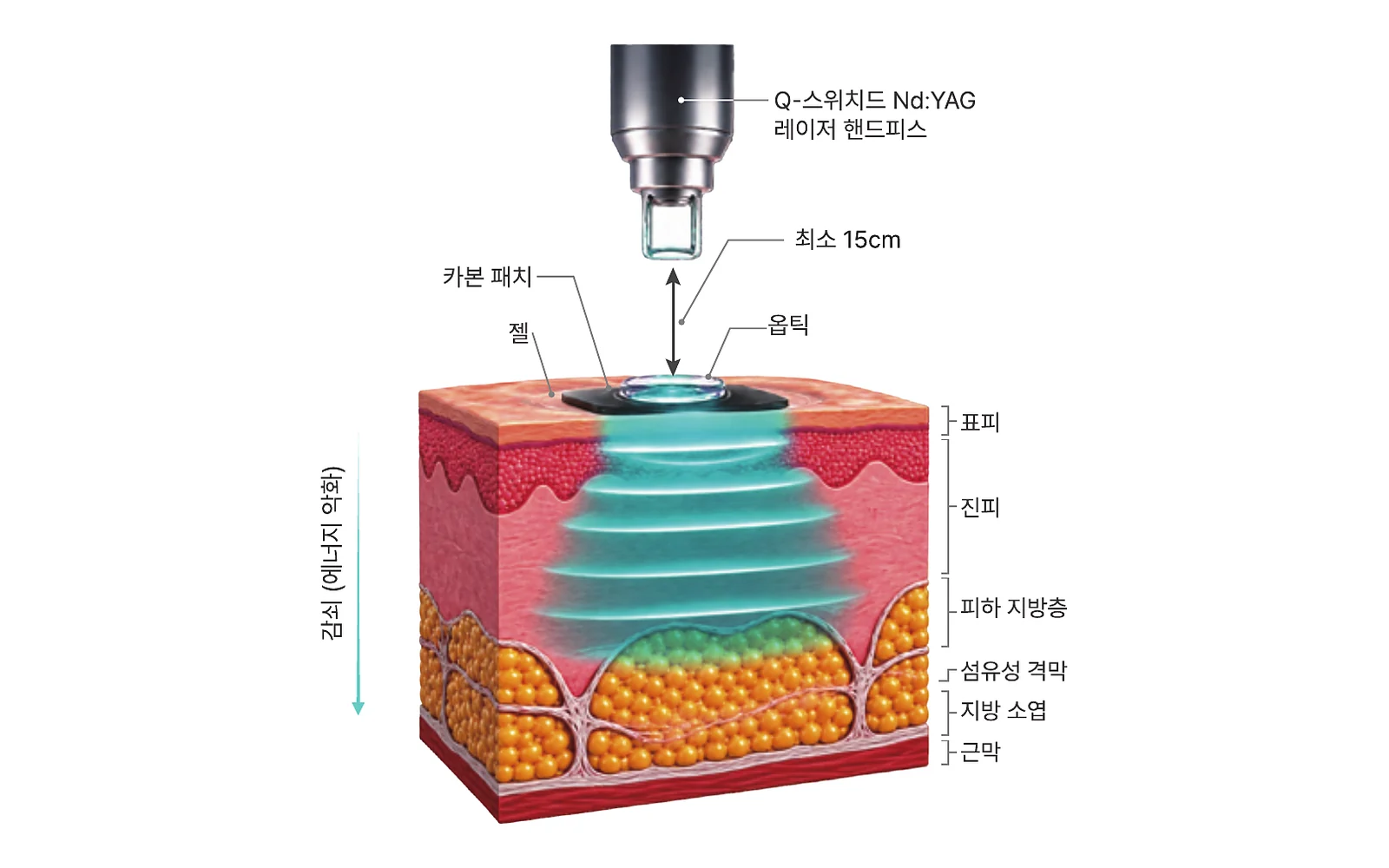 02 Pressure
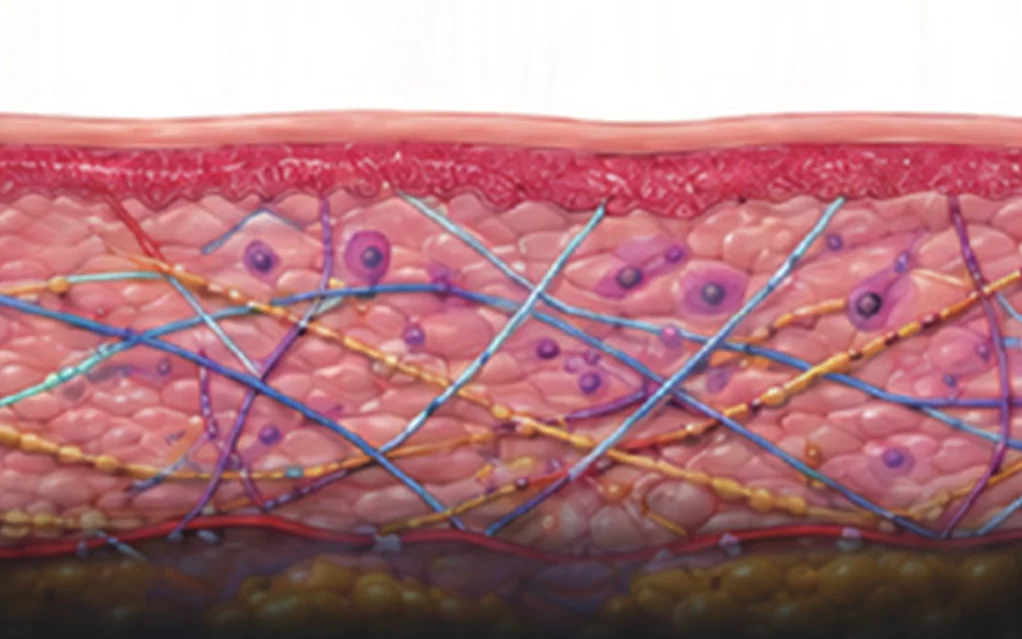 03 Response