Through the fine channels of a 1927 nm thulium laser, A treatment that refines scars · skin texture · pigment together
Non-ablative fractional laser · Performed personally by Dr. Kyungeun Lee
×
Shallow and even, without shaving away Protecting the skin surface, Refines again from the shallow layer
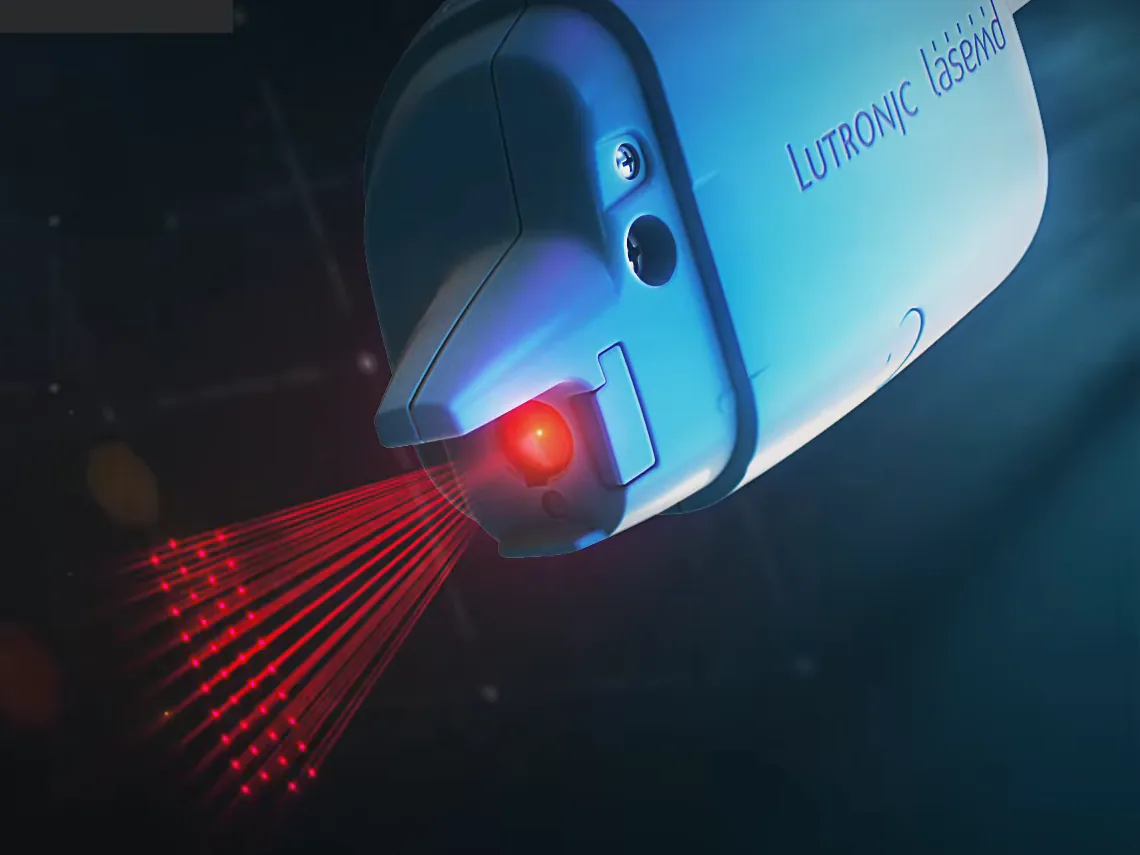
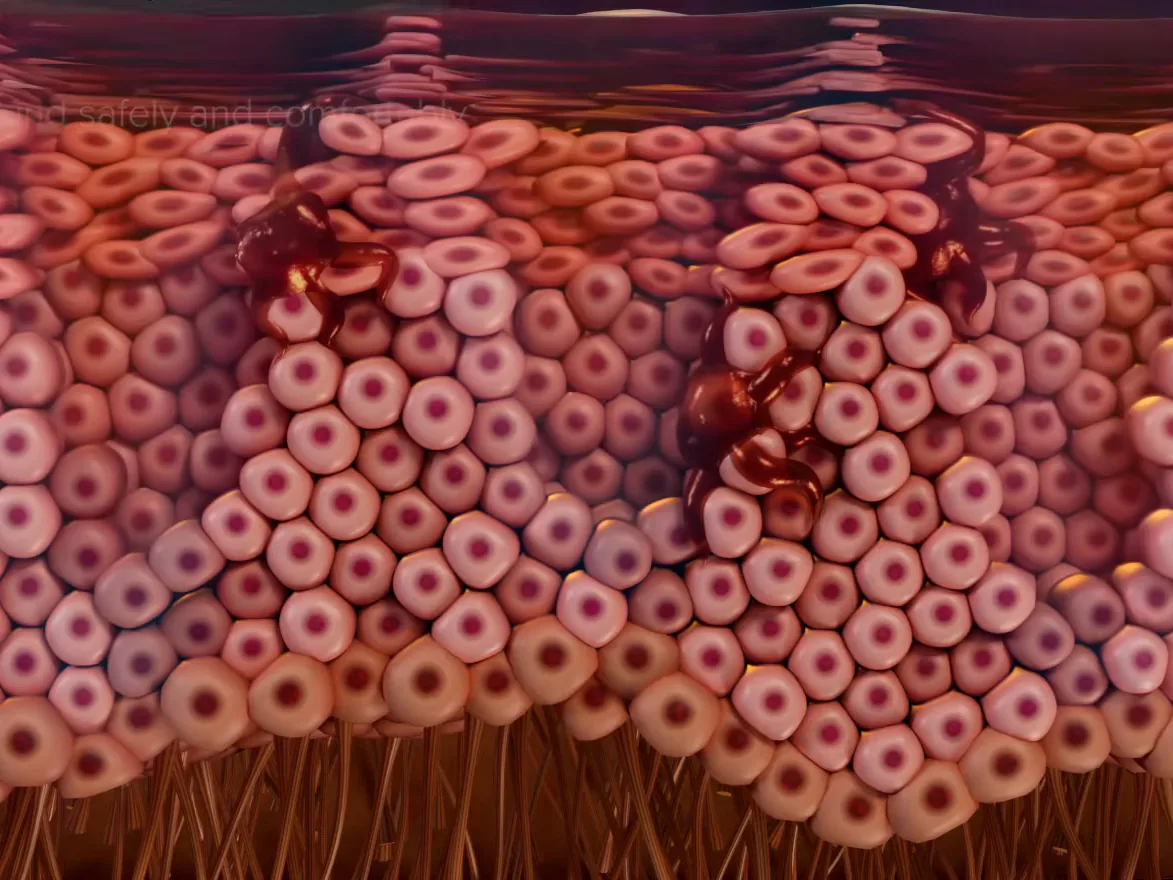
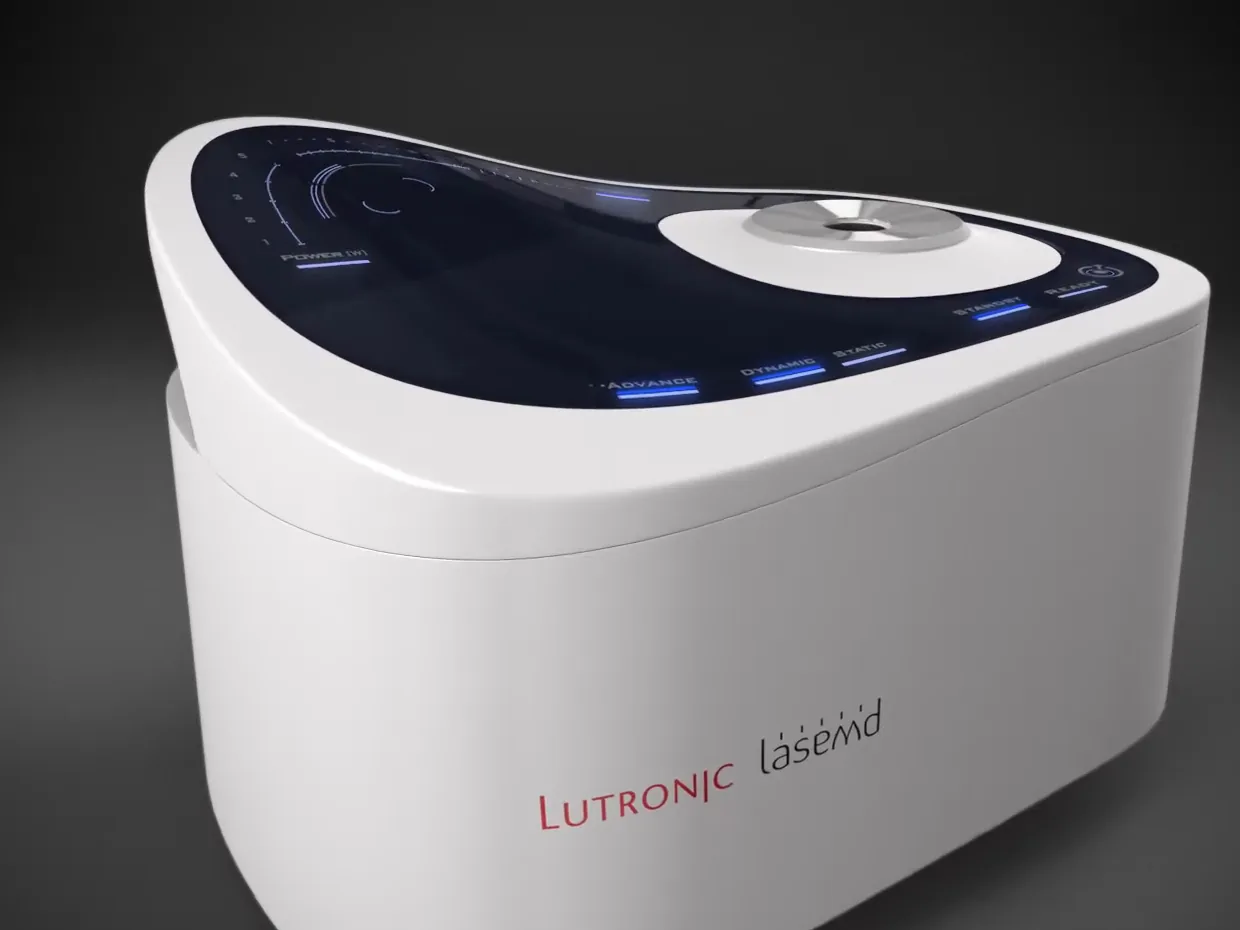
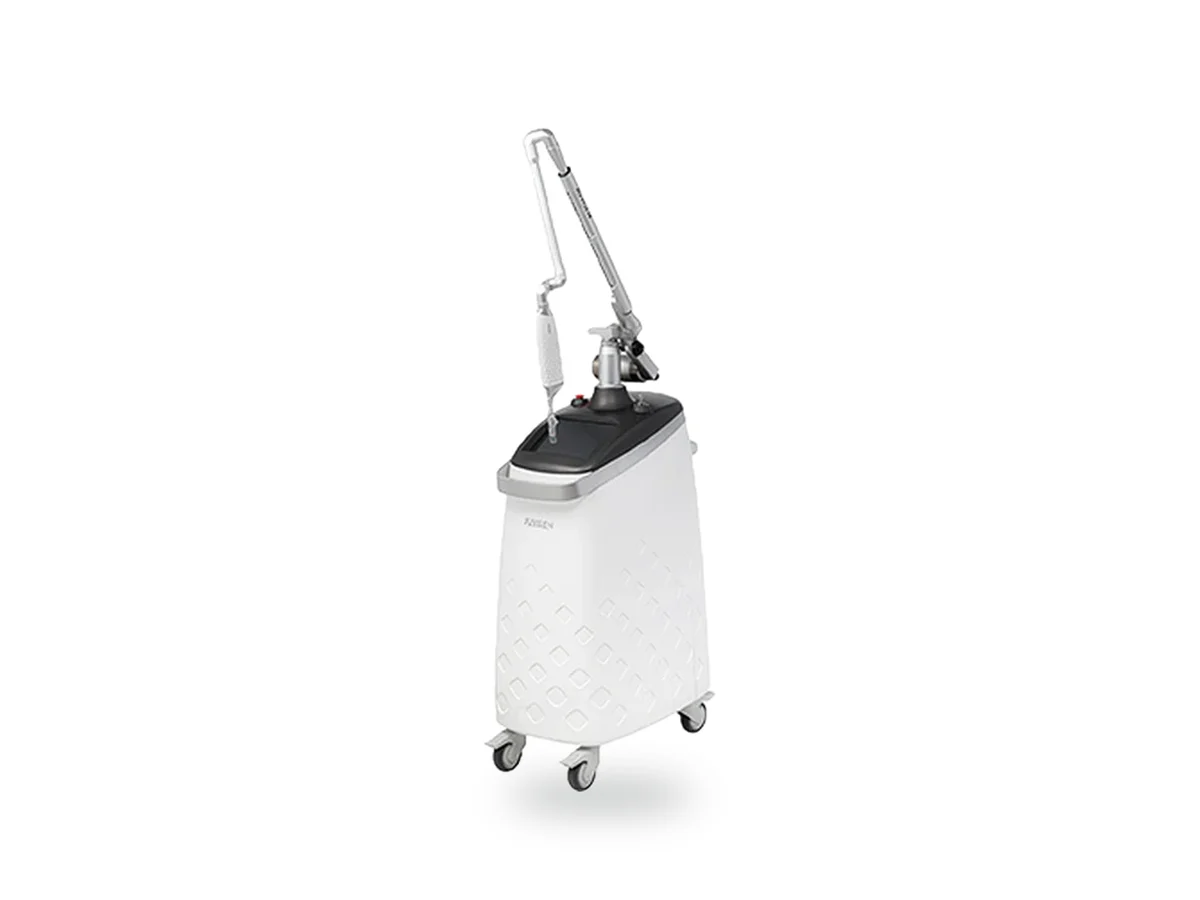
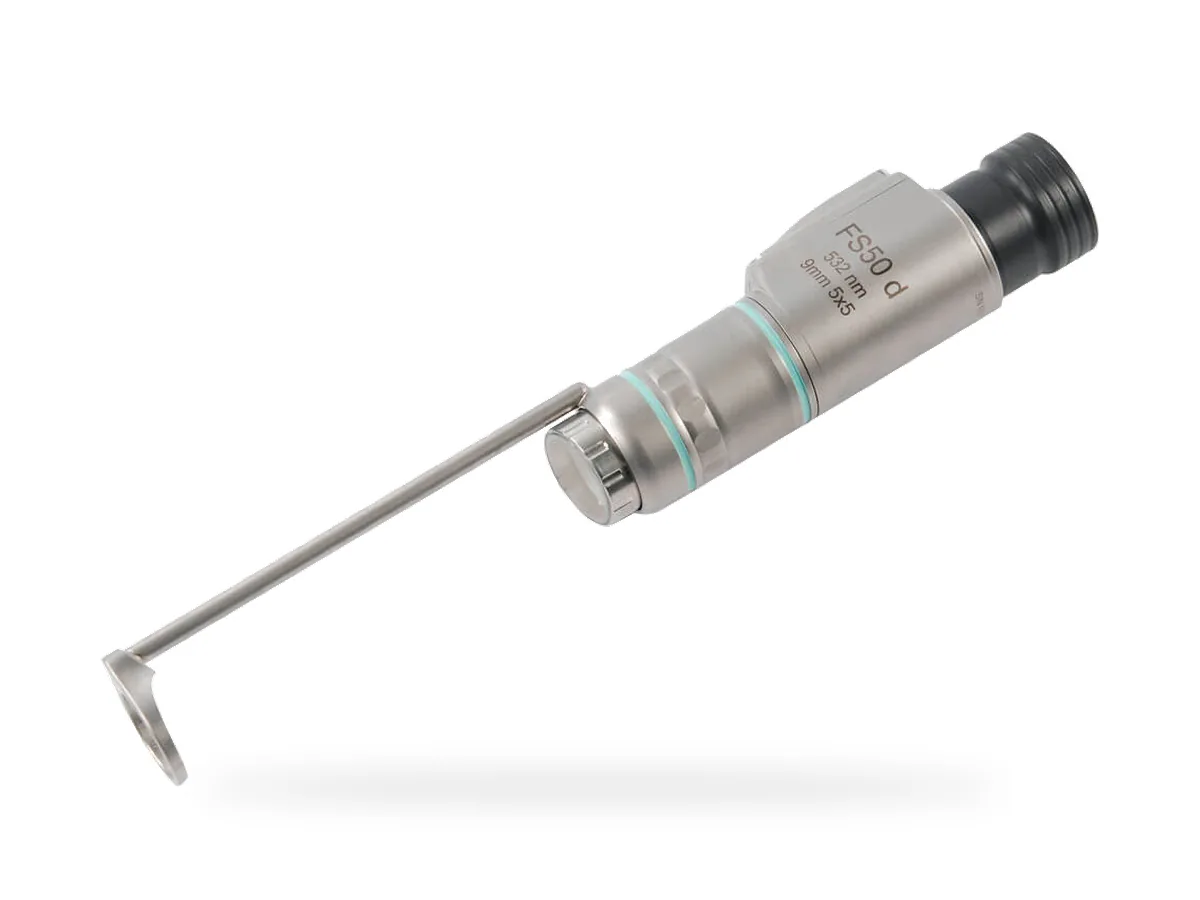
LaseMD is a 1927 nm thulium laser from Lutronic. The 1927 nm wavelength, which is readily absorbed by water, creates tiny dot-shaped microchannels in the epidermis and shallow dermis, and the small thermal coagulation around them supports the process of the skin refilling itself. Because it is not an ablative laser that shaves the skin, the burden on daily life afterward tends to be light, and applying an ampoule suited to your concern while the microchannels are open makes it easier for the active ingredients to reach the skin.
How LaseMD treats the skinLaseMD— three principles
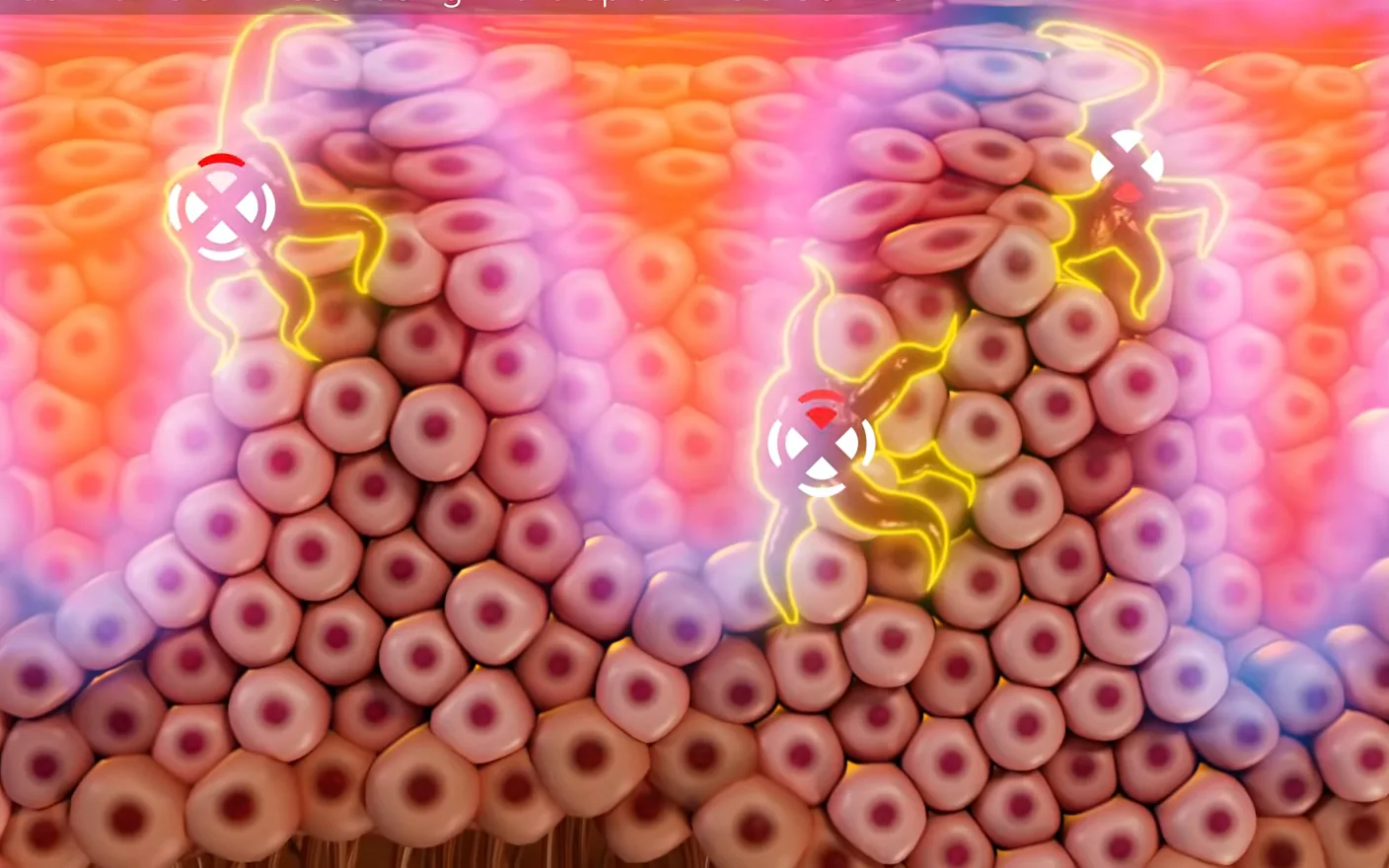
01 1927 nm Thulium
Light that is absorbed by water and stays in the shallow layer
The 1927 nm wavelength is readily absorbed by water in the skin, so it does not travel deep and uses its energy in the epidermis and shallow dermis. It therefore suits concerns in the shallow layers, such as shallow scars, rough texture and epidermal pigment, with little heat buildup in deeper tissue.
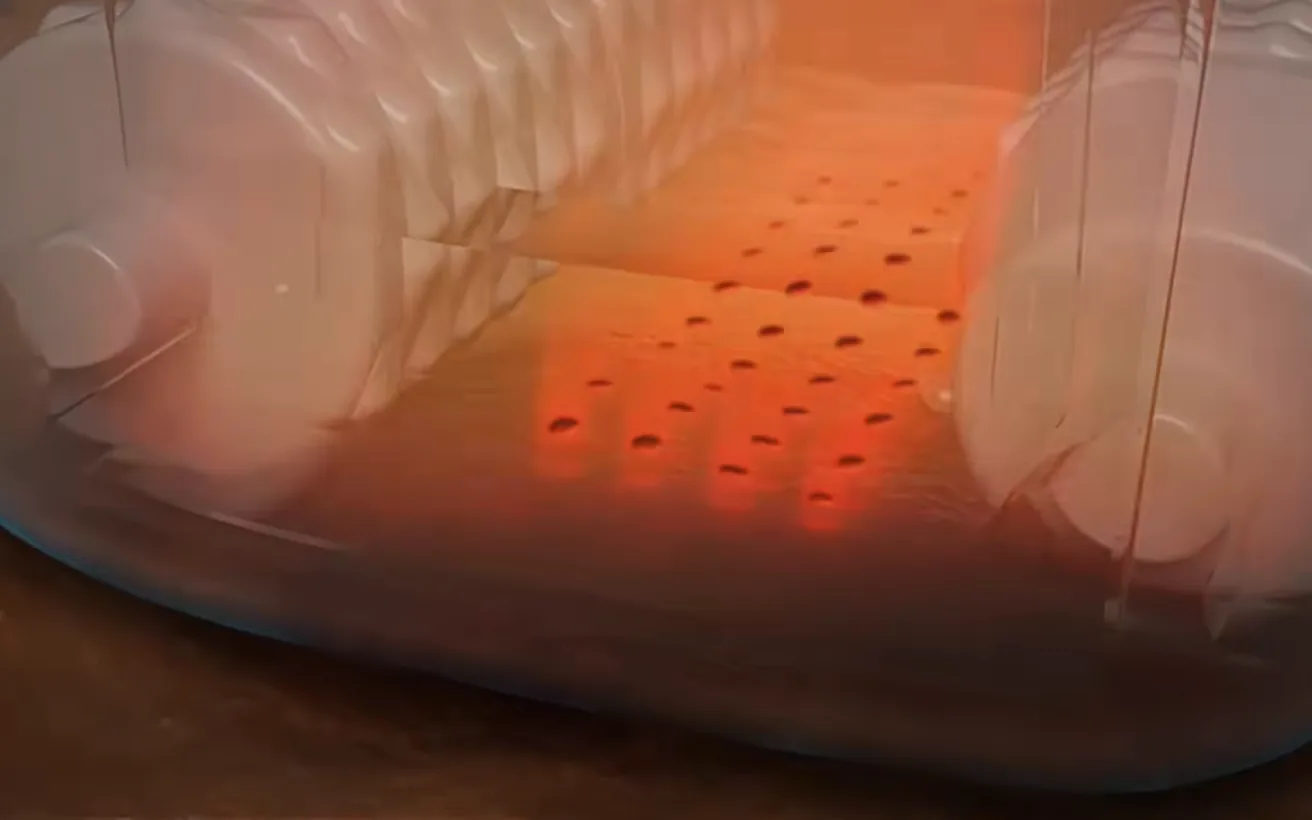
02 Roller Tracking
Even spacing set by the magnetic roller
The magnetic roller at the tip of the handpiece keeps the spacing of laser dots even as it rolls over the skin. It reduces areas that are overlapped or missed, helping fine channels form evenly across the whole face.
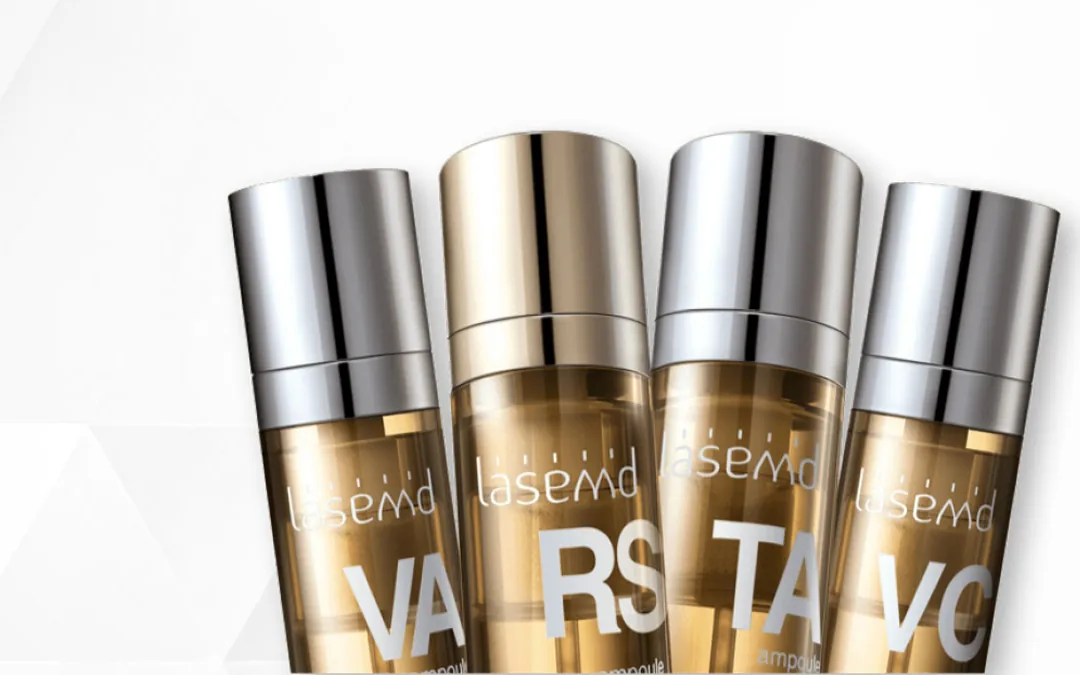
03 Ampoule Delivery
Delivers the ampoule through the open channels
While the microchannels are open right after the procedure, applying a dedicated ampoule makes it easier for the active ingredients to enter the skin. We design together by choosing an ampoule suited to your concern, such as a brightening ingredient (tranexamic acid) or vitamin C.
How DER AaN handles LaseMD Looking at the layer, setting the density, and choosing the ampoule
SEEChecking scars · texture · pigment
We first look at whether the scars are shallow and gentle or deeply depressed, and whether rough texture, dull tone and epidermal pigment are also present.
PLANDesigning energy · density · ampoule
We set the energy and irradiation density for each area, and design the ampoule suited to your concern and the interval between sessions together.
TREATPerformed personally by the director · recovery guidance
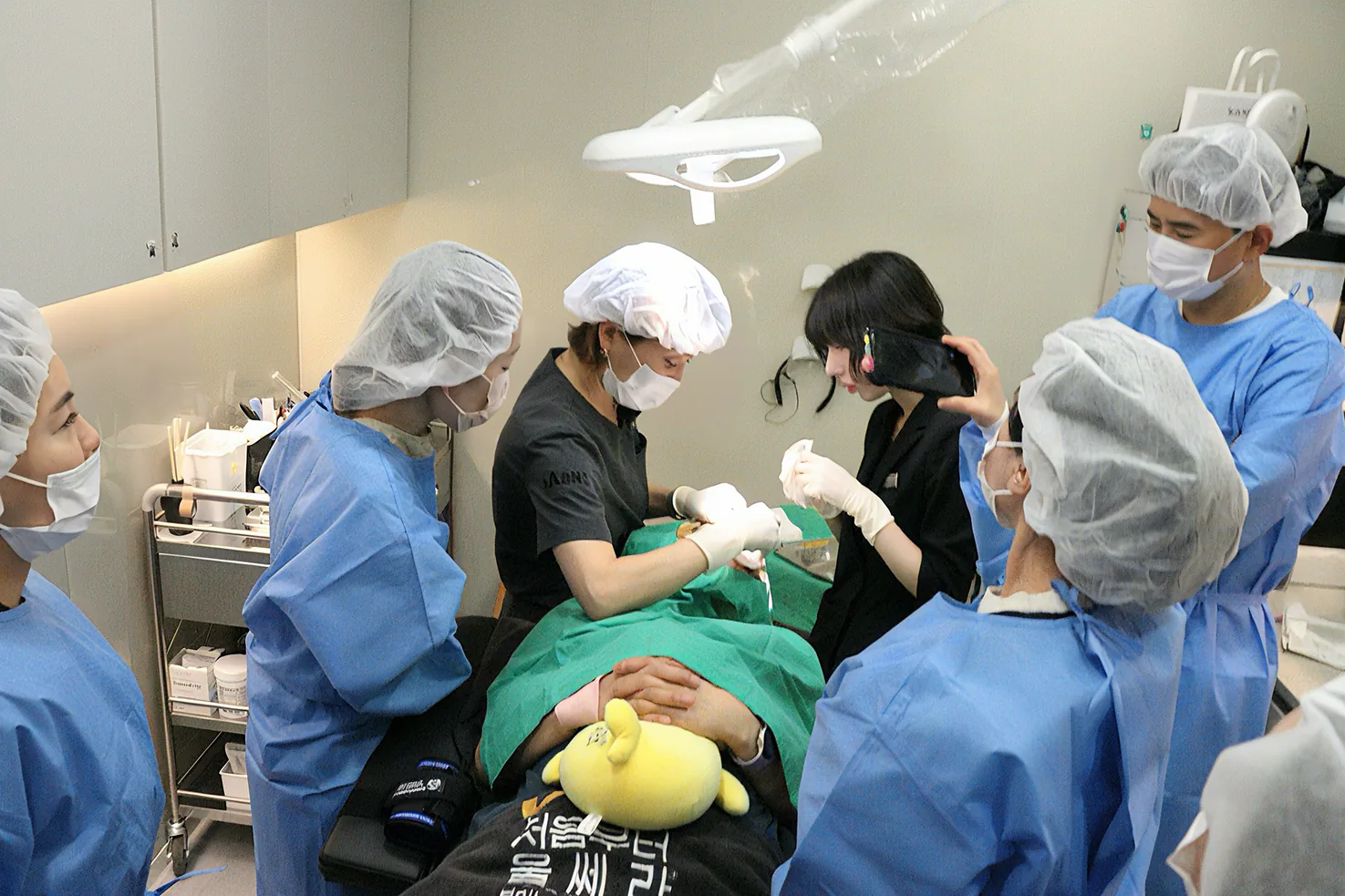
Dr. Kyungeun Lee treats the whole face evenly with the roller handpiece, and advises on moisturizing, sun protection and the timing of the next session afterward.
The layers LaseMD treats and how Wavelength · microbeam · ampoule
1927nmThulium wavelength
Light that is absorbed by water and stays in the epidermis · shallow dermis
200µmMicrobeam
Evenly creating microchannels in small dot units
CDSAmpoule delivery
Absorbing the ampoule through the channels open right after the procedure
LaseMD's approach is to refine the shallow layers several times rather than cutting deep.
LASEMD
Shallow and even, without shaving away. We help the skin refill itself. Helps the skin refill itself.
Laser Advisory Board
A doctor who reads the layers of the skin performs the treatment personally
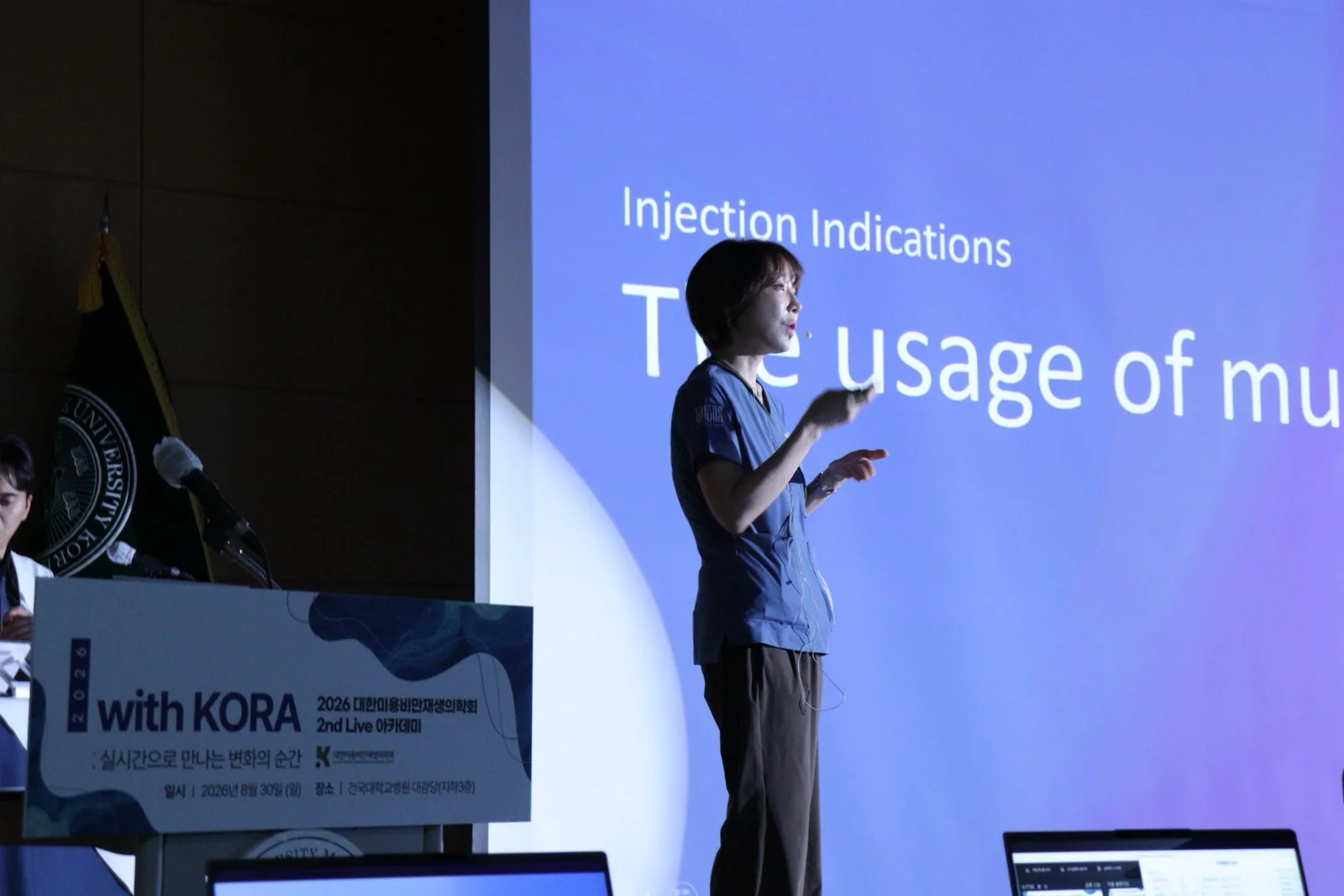
Dr. Kyungeun Lee, Medical Director
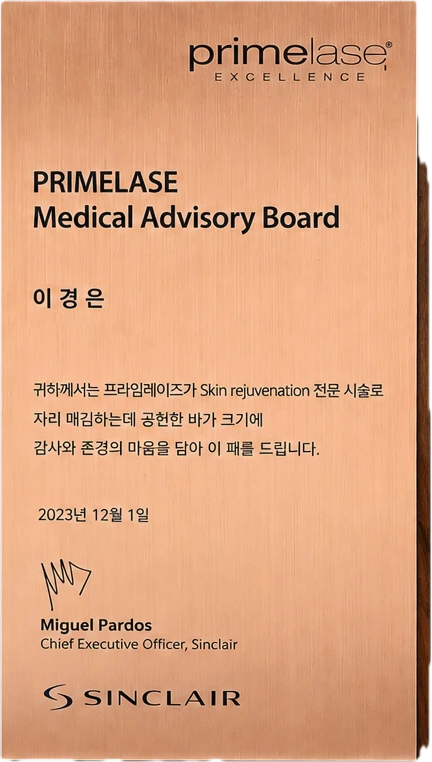
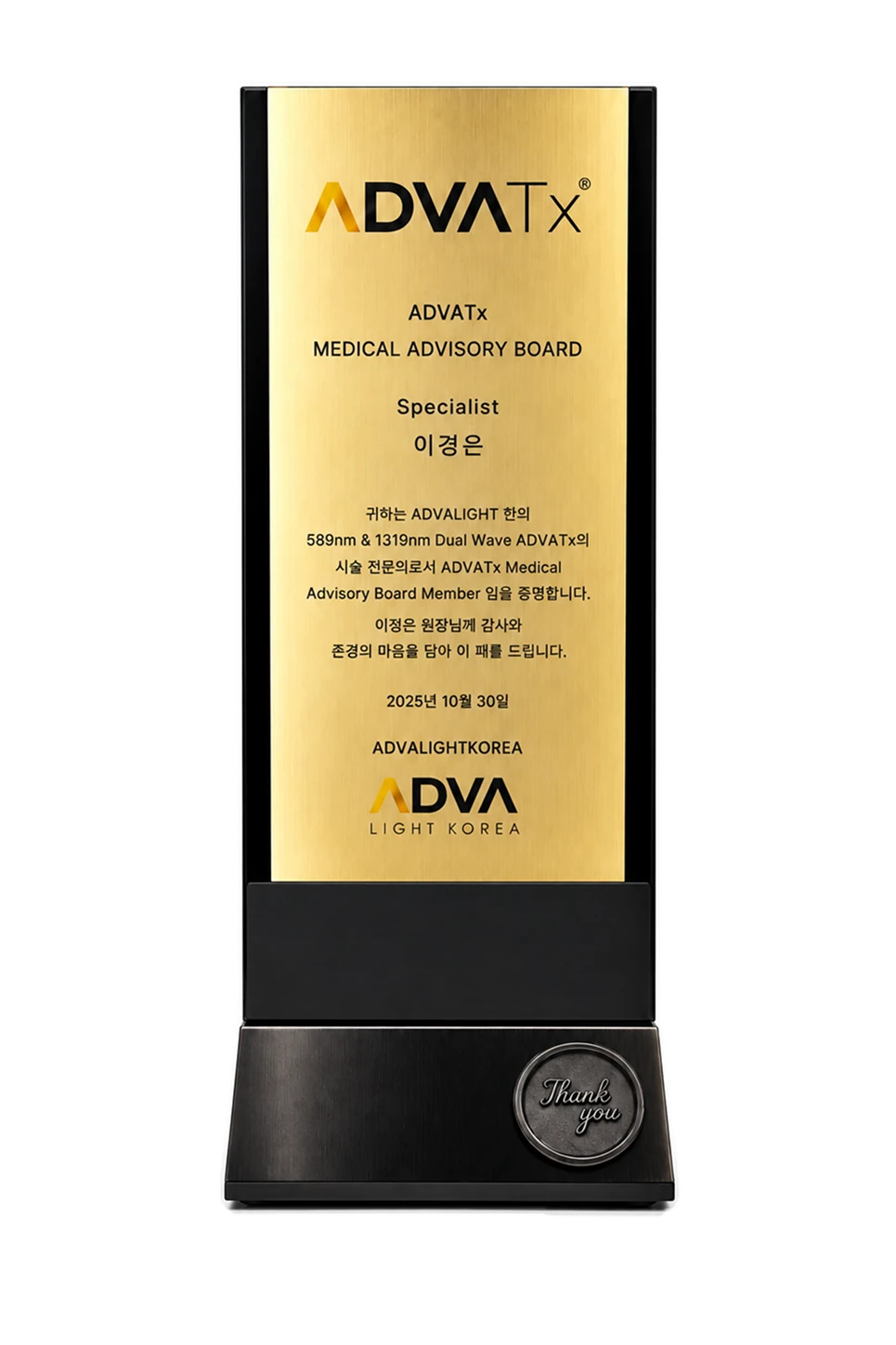
Certification as a member of the Laser Medicine Advisory Committee
Expert member of the ADVATX Laser Medical Advisory Board
Publications Director, Korean Society of Aesthetic, Obesity and Regenerative Medicine (KORA)
These are the questions we receive most often at consultations, such as pain, recovery, number of sessions and combined procedures. Cost varies with the area, number of sessions and ampoule used, so we advise at the consultation, and the answer can differ depending on your individual skin condition.
Is the LaseMD procedure painful?
It is performed after numbing cream, and you feel a stinging warmth as the roller passes. Areas where energy and density are raised may feel slightly warmer, and pain sensitivity varies from person to person.
Will there be redness or flaking after the procedure? From when can I wear makeup?
For a few days after the procedure, along with redness the skin may feel rough like sandpaper, and then thin flakes come off and usually clear up naturally. Makeup is usually possible from the next day, and until then, take careful moisturizing and sun protection.
How many sessions and at what interval should I have it?
Some people feel their skin texture tidied even after a single session, but scars and pigment are usually done in about 3-5 sessions with intervals between them. We decide the number of sessions and intervals at the consultation by looking at your skin condition and recovery.
When do results become visible?
From a few days after the dead skin cells are tidied up, you can expect skin texture and tone to feel clearer, while shallow scars change gradually over the several weeks it takes for the skin to refill. Changes build up over repeated sessions and vary from person to person.
Which scars is it suited for?
It suits concerns in the shallow layers, such as shallow, gentle acne scars, rough skin texture, and pigment left around scars. Narrow, deep scars have limits with LaseMD alone, so it is designed together with Pico Fractional or Sylfirm.
How is it different from Pico Fractional?
LaseMD is tuned to evenly refine the epidermis and shallow dermis with a 1927 nm thulium laser, while Pico Fractional gathers picosecond pulses into dots to create fine spaces in the skin. Shallow texture and tone go to LaseMD and depressed scars and pores go to Pico Fractional, either separately or designed together.
Can I have it regardless of the season or skin type?
Because it does not shave the skin, there are relatively few restrictions by skin type or season. However, sun protection is essential after the procedure, and it is postponed if you have recently been heavily sun-tanned or have inflammation or wounds at the treatment site.
What should I be careful about after the procedure?
For a few days, avoid saunas, exfoliation and irritating cosmetics such as retinol, and do not forcibly peel off flakes. Apply moisturizer and sunscreen thoroughly, and let the clinic know if redness lasts long or the color seems to darken.
Results and how long they last may differ depending on individual skin condition, and our medical staff will explain possible side effects during the consultation.


 01 1927 nm Thulium
 02 Roller Tracking
 03 Ampoule Delivery