Splitting a picosecond laser into fine dots A procedure that refines pores · acne scars · skin texture by splitting a picosecond laser into fine dots
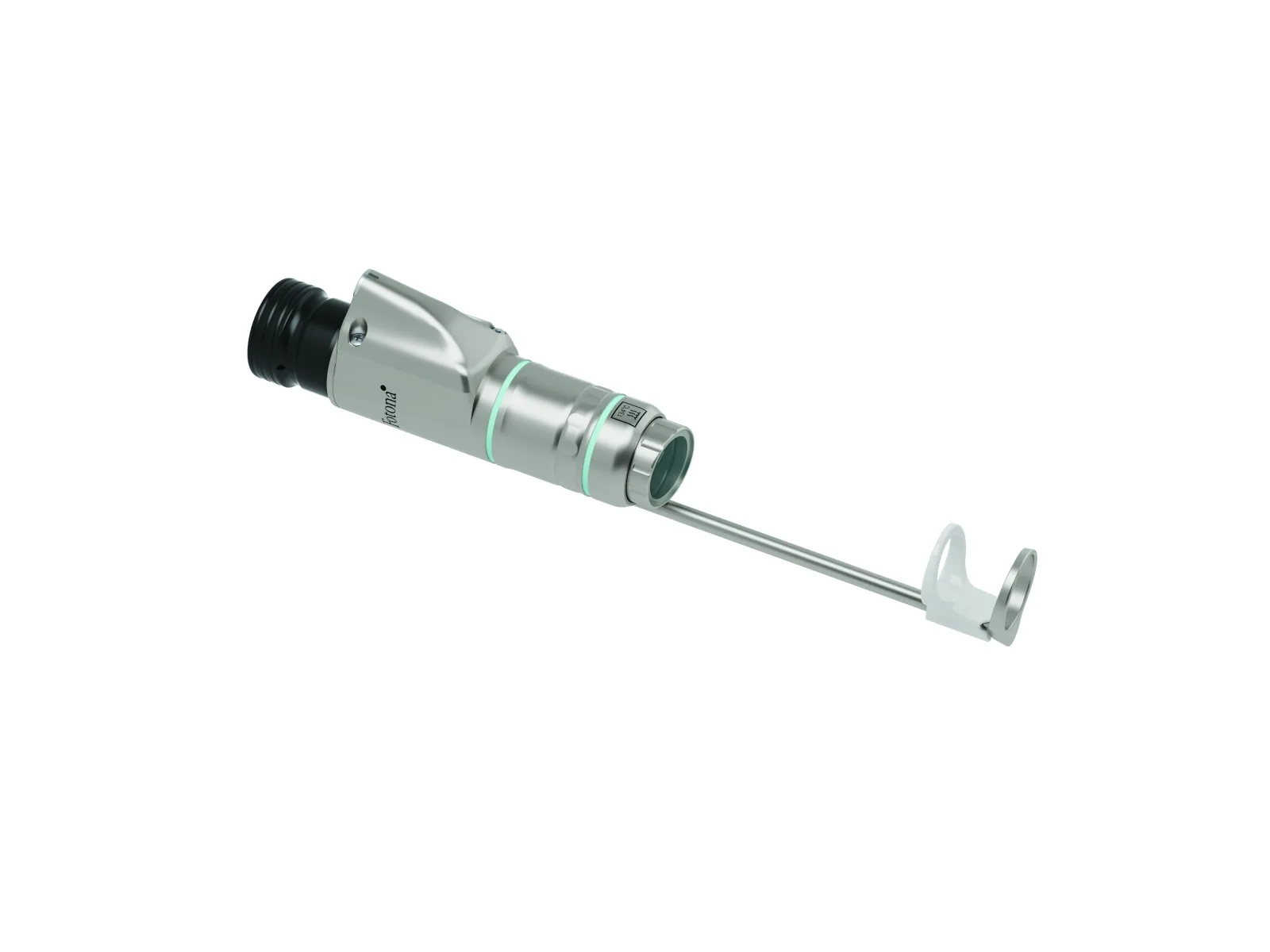
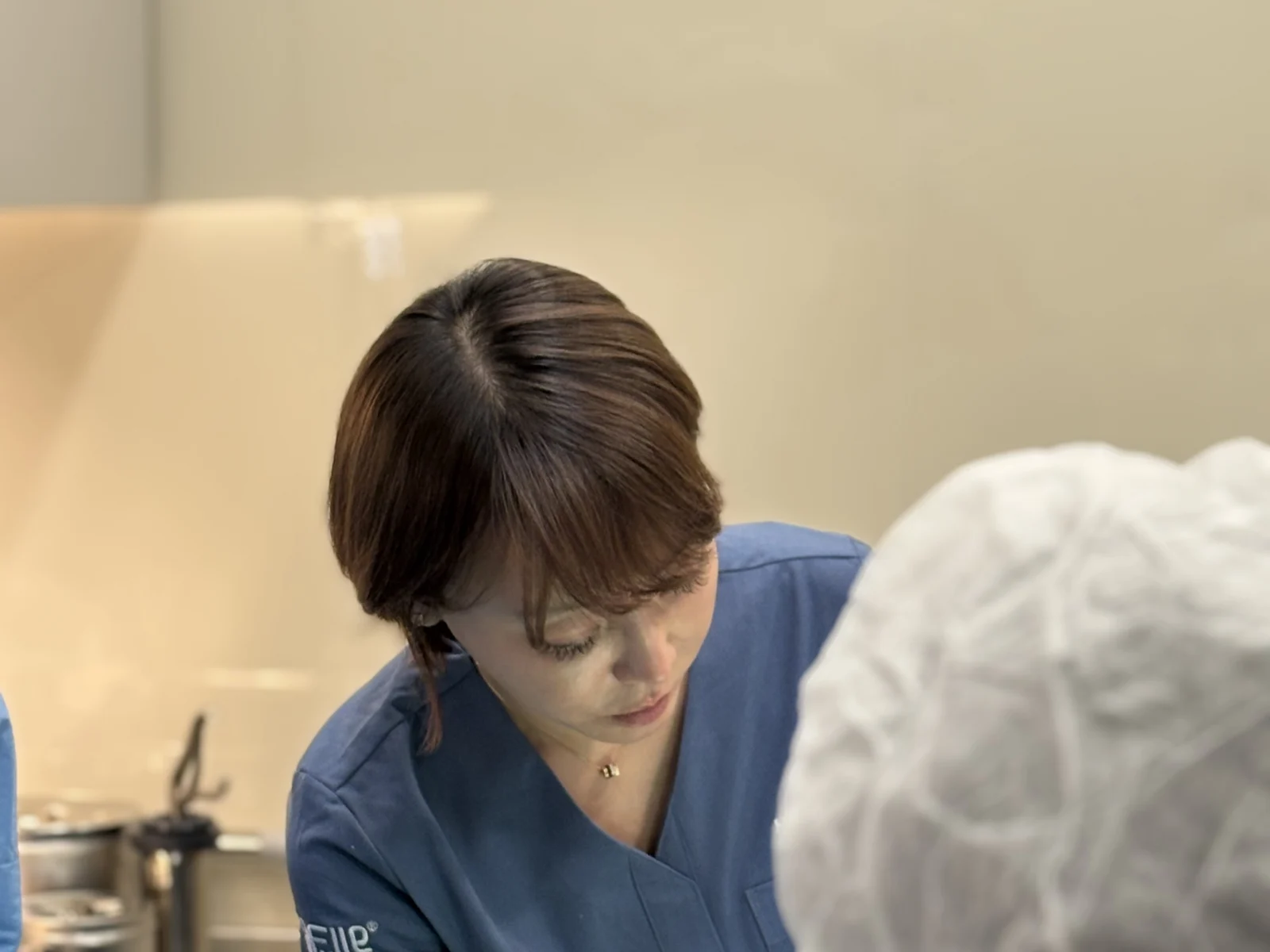
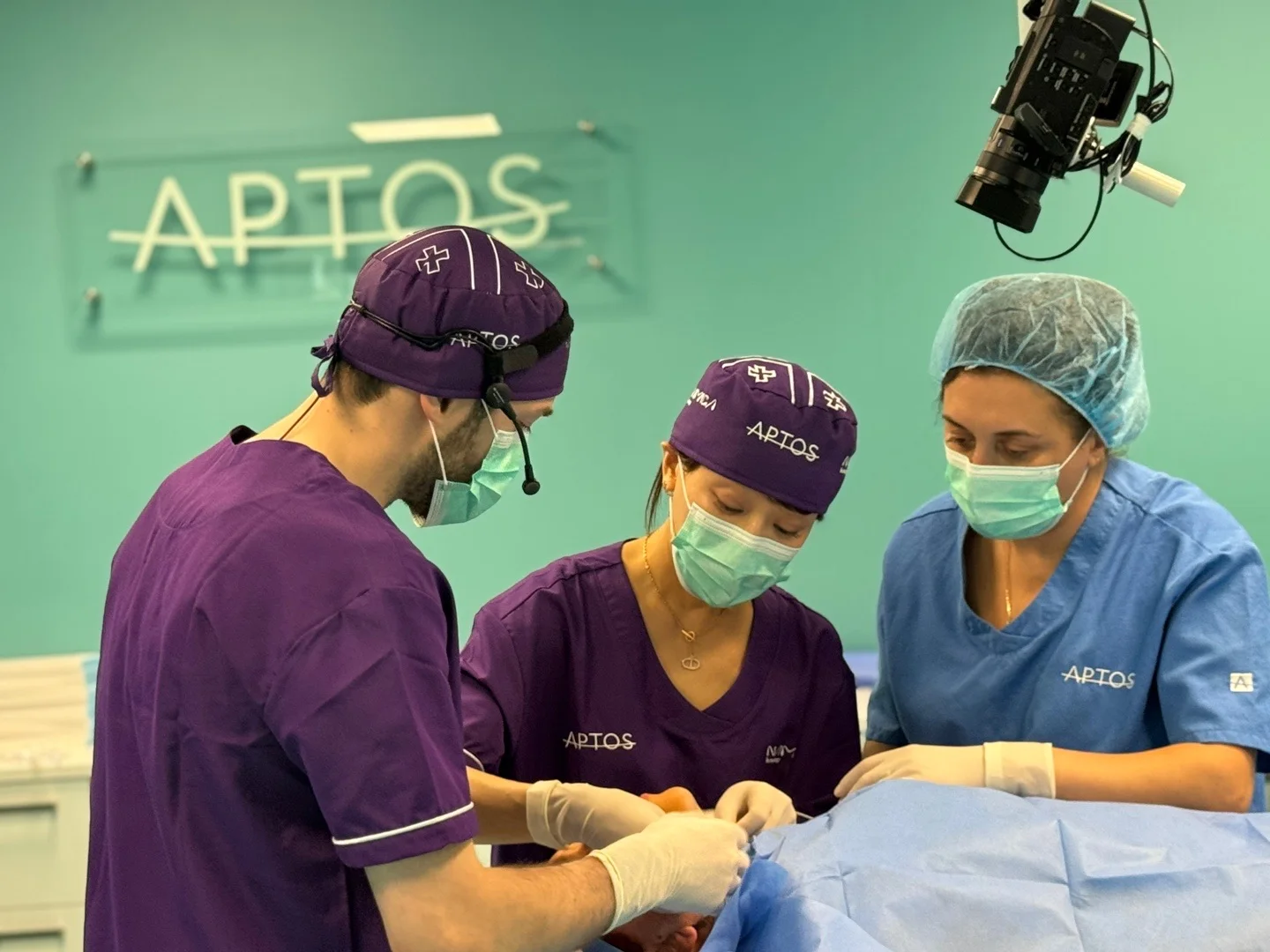
Fotona StarWalker fractional handpiece · Performed personally by Dr. Kyungeun Lee
×
Protects the surface and works only inside the skin Leaving small dots inside the skin helps the skin refill itself
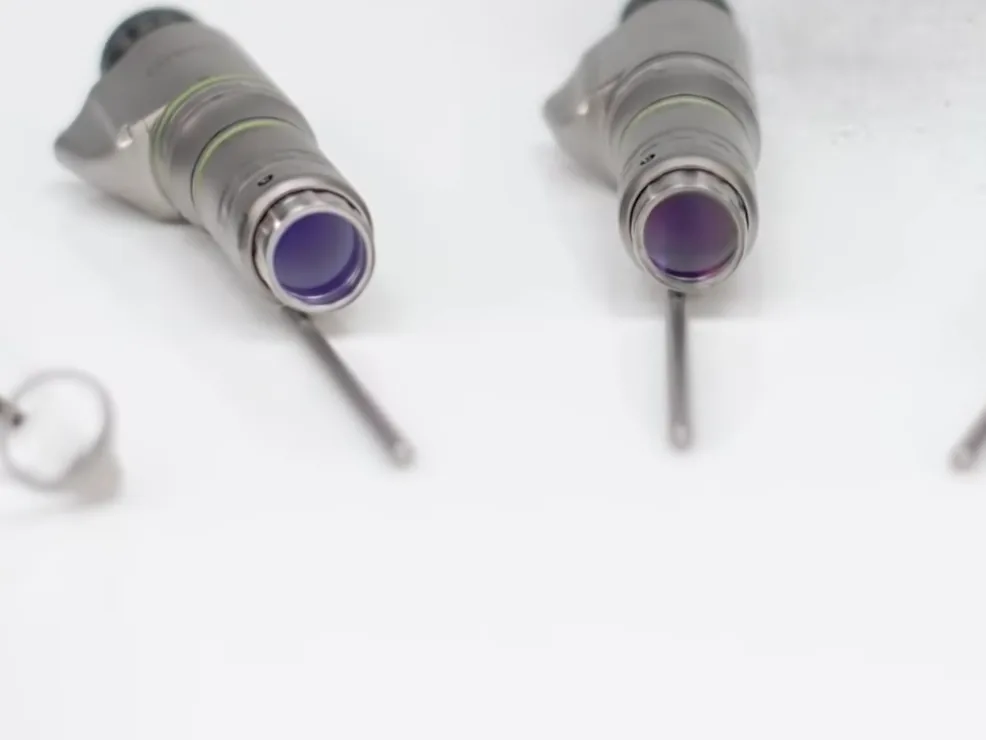
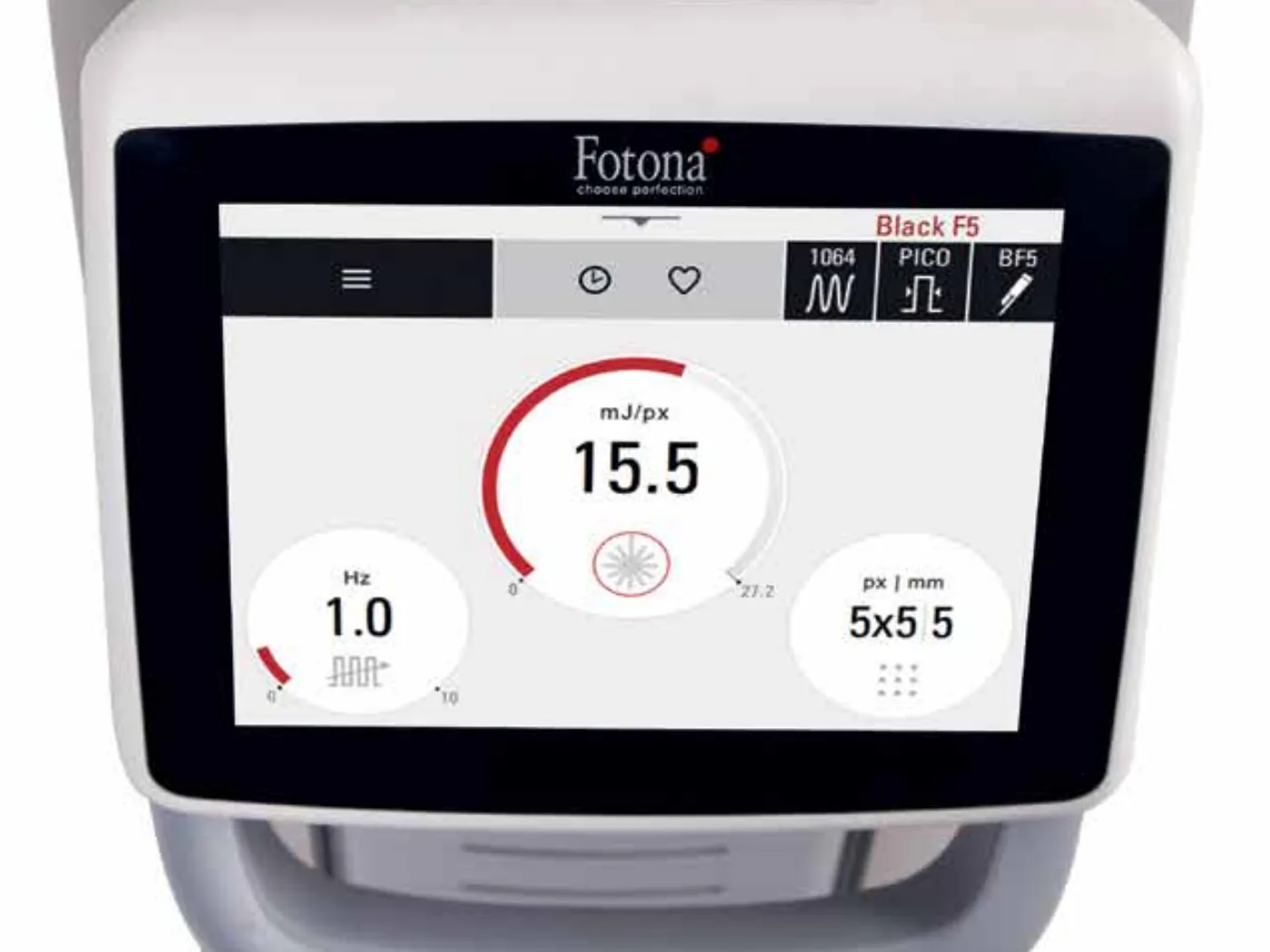
Pico Fractional is a procedure in which a fractional (finely divided) handpiece is attached to the picosecond laser of the Fotona StarWalker, splitting a single pulse into dozens of small dots. The energy gathered at each dot creates a very small micro-injury in the skin, and the healthy tissue left between the dots quickly fills in that spot, helping skin texture settle and collagen refill. Because it does not widely strip the skin surface, the burden of returning to daily life tends to be light, and it is used for enlarged pores, acne scars and rough skin texture.
How Pico Fractional treats skin texturePico Fractional— three principles
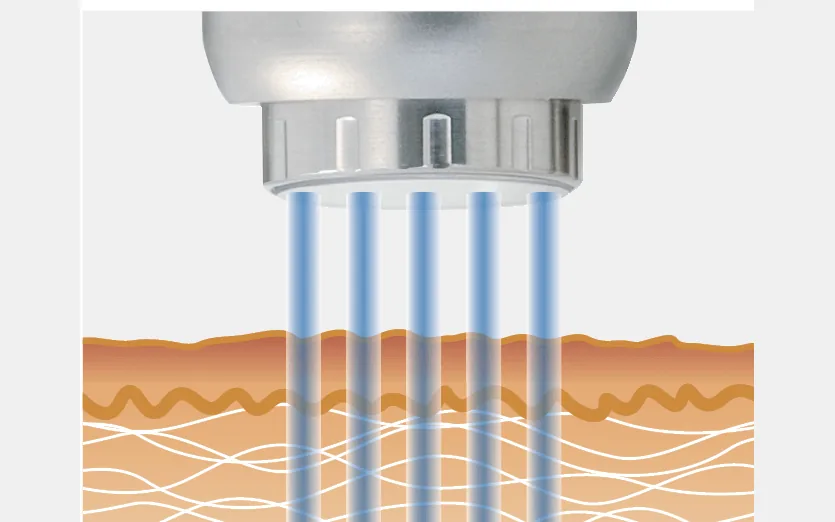
01 Fractional
Divides a single pulse into small dots
A fractional handpiece divides the laser into small checkerboard-like dots such as 9×9 or 5×5. The tissue between the dots is left intact, so it quickly fills in where tissue was damaged and supports recovery.
02 Below the Surface
Fine spaces created beneath the surface
When picosecond pulses gather at one point, tiny bubbles and spaces form inside the skin. The reaction occurs beneath the epidermis without burning or stripping the surface, which can reduce the burden of scabs and redness, and fitting a spacer on the tip of the handpiece moves the reaction a little deeper.
03 Two-Step
We design toning and fractional separately
It can proceed in two stages: toning that irradiates the whole face evenly, and adding fractional irradiation to pore · scar areas. If pigment and skin texture are both concerns, both are treated together in a single procedure.
How DER AaN handles Pico Fractional Looking at the scar, choosing the handpiece, and dividing the sessions
SEEChecking pore · scar shape
We first look at the extent of enlarged pores, whether scars are narrow and deep or wide and shallow, and whether inflammatory acne remains.
PLANDesigning handpiece · density · sessions
We divide handpieces into 9×9 for wide areas, 5×5 for depressed scars and a line shape for elongated scars, and then set the energy, dot density and interval between sessions.
TREATPerformed personally by the director · recovery guidance
Dr. Kyungeun Lee performs the procedure personally, and advises on managing redness for the days afterward, sun protection and the timing of the next session.
Chosen by concern and area:Fractional handpiece
9×9Wide area — pores · skin texture
Evenly across the whole face, for enlarged pores and rough texture
5×5Narrow area — acne scars
Dots gathered densely on the depressed scar area
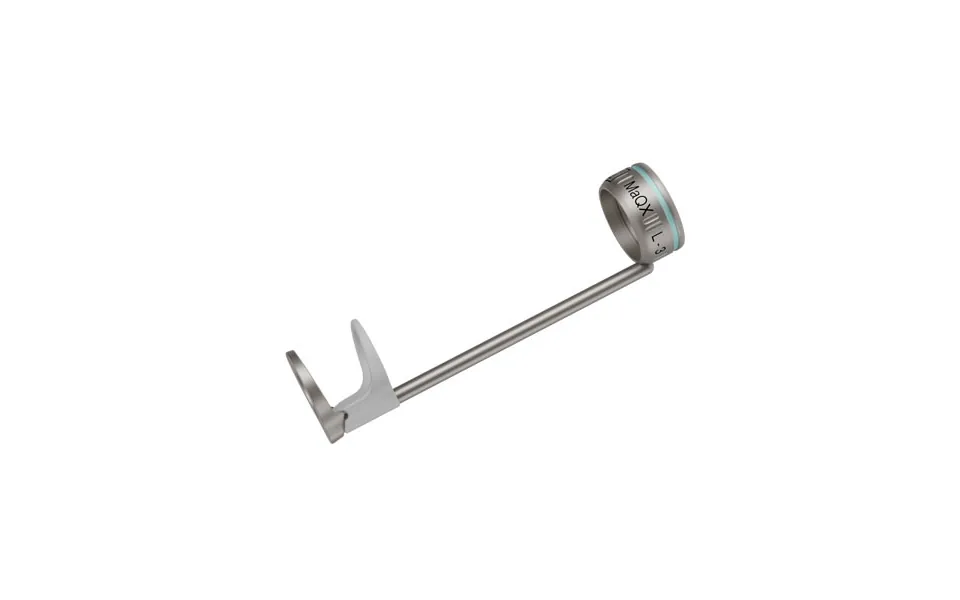
2×10mmLine shape — elongated scars
In a rectangle along the narrow, long scar line
We change the handpiece and dot density according to the shape and depth of the scar.
PICO FRACTIONAL
Protecting the surface, leaving small dots only inside the skin. We design the time the skin takes to refill itself.
Laser Advisory Board
The physician who reads the shape of the scar performs it personally performs the treatment personally
Dr. Kyungeun Lee, Medical Director
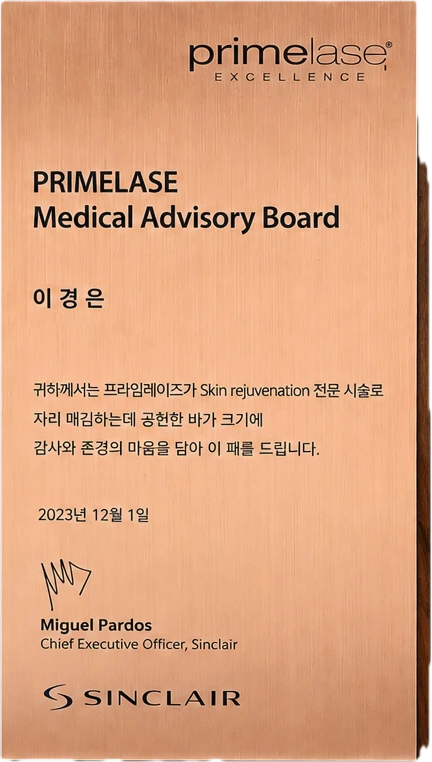
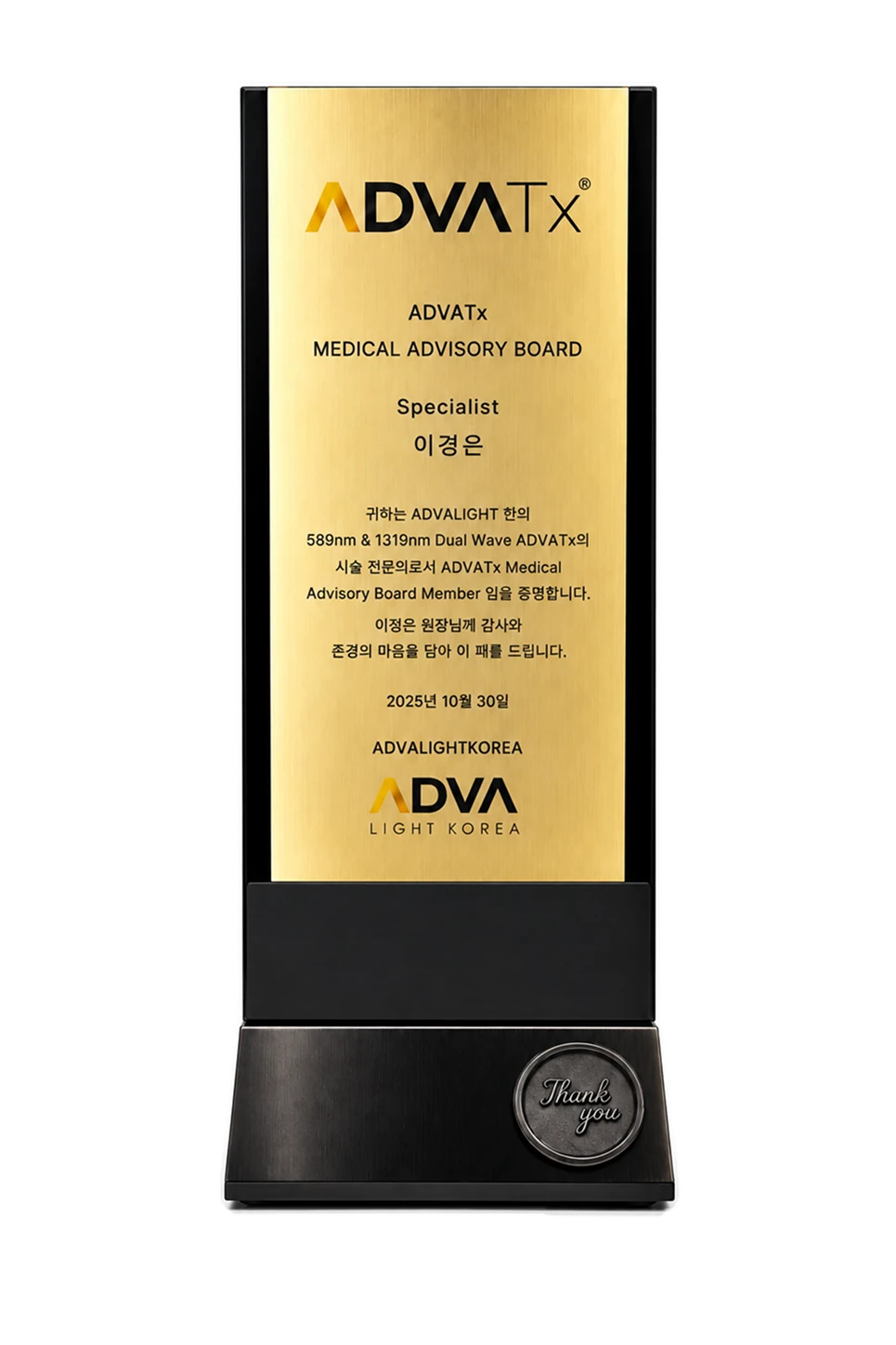
Certification as a member of the Laser Medicine Advisory Committee
Expert member of the ADVATX Laser Medical Advisory Board
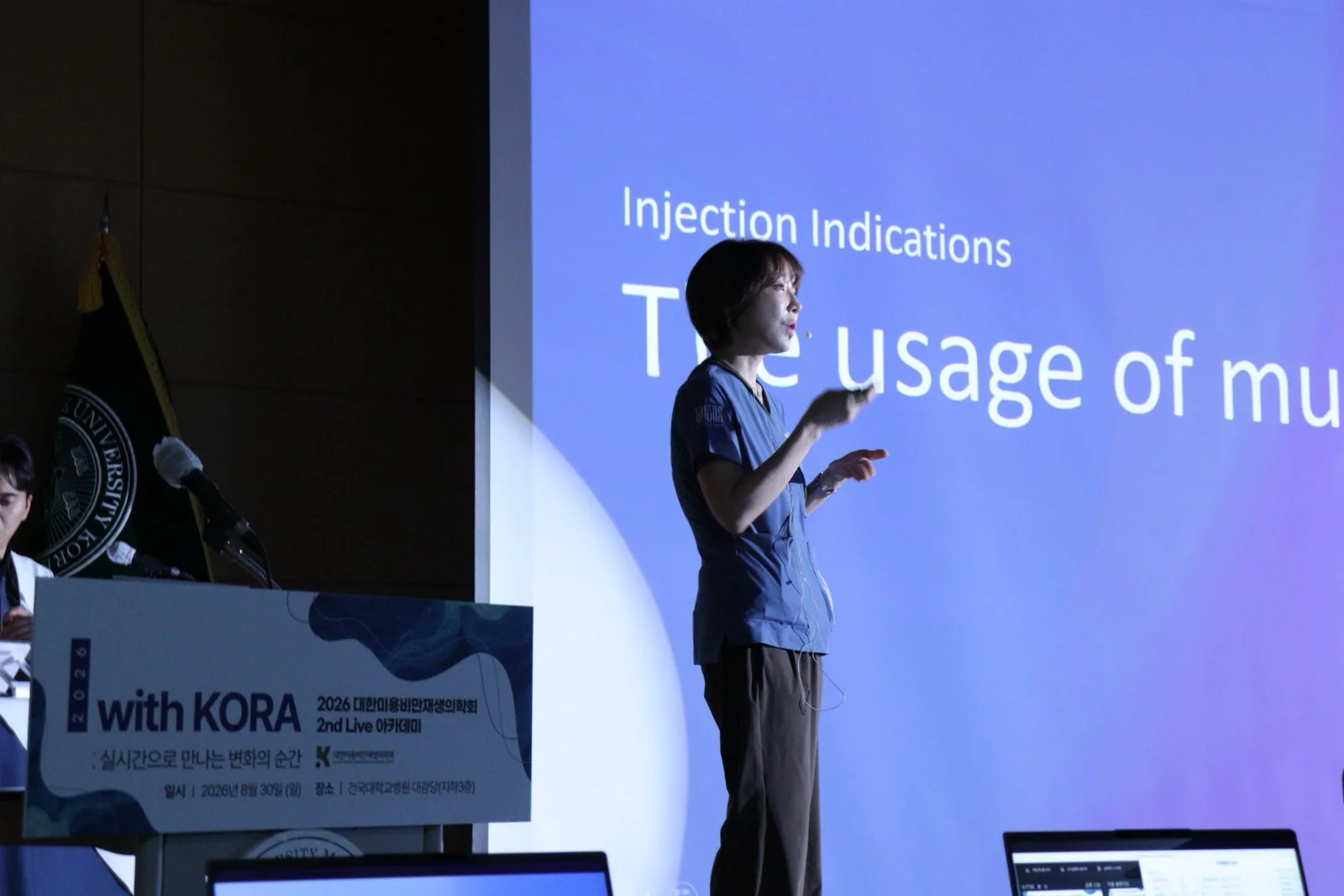
Publications Director, Korean Society of Aesthetic, Obesity and Regenerative Medicine (KORA)
These are the questions we receive most often at consultations, such as pain, recovery, number of sessions and combined procedures. Cost varies with the area and number of sessions, so we advise at the consultation, and the answer can differ depending on your individual scar shape and skin condition.
Is Pico Fractional painful?
It is performed after numbing cream, and you feel a stinging, tapping sensation at the moment the dots gather and touch. The more densely dots are gathered on a scar area, the more irritation you may feel, and pain sensitivity varies from person to person.
Will there be swelling or scabs after the procedure? From when can I wear makeup?
Right after the procedure, redness, slight swelling and fine dot marks may appear, and they usually settle within 1-3 days. Because it does not strip the skin surface, large scabs rarely form, and makeup is usually possible from the next day.
How many sessions and at what interval should I have it?
To allow time for the skin to refill, it is usually done in several sessions about 4-6 weeks apart. Pores may show change in relatively few sessions, while deep acne scars may need more sessions, so we decide at the consultation after seeing the scar condition.
When do results become visible?
A few days after the procedure, once redness settles, you can expect skin texture to feel smoother, and pores and scars change gradually over the several weeks it takes for collagen to refill. Changes build up over repeated sessions and vary from person to person.
Which scars and pores is it suited for?
It is used for depressed scars left where acne has passed, enlarged pores around the cheeks and nose, and rough, uneven skin texture. If inflammatory acne is currently flaring, it is better to calm the acne first and then start.
How is it different from an ordinary fractional laser?
Unlike an ablative fractional that burns the skin to make tiny holes, Pico Fractional uses picosecond pulses to create fine spaces beneath the surface. Because it does not widely strip the surface, the recovery burden tends to be light, but deep and wide scars may be designed together with other procedures.
Can it be combined with other treatments?
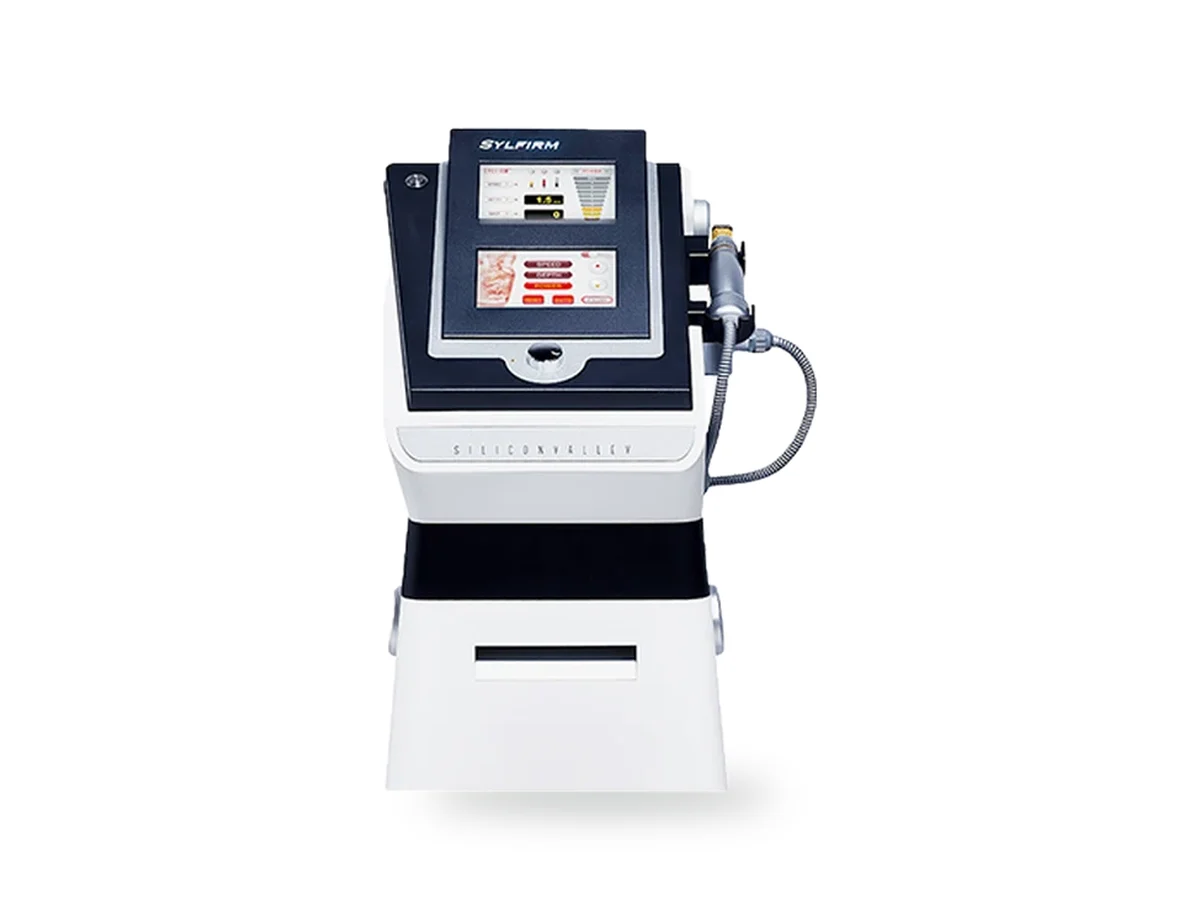
Deep scars and firmness are handled with Sylfirm, shallow skin texture and tone with LaseMD, and when pigment is also present it can be designed separately with StarWalker toning. Whether to do them on the same day or space them out is decided by your skin condition and recovery.
What should I be careful about after the procedure?
For a few days, take careful sun protection and avoid saunas, exfoliation and irritating cosmetics such as retinol. Do not rub the treated area hard, and let the clinic know if redness lasts long or the color seems to darken.
Results and how long they last may differ depending on individual skin condition, and our medical staff will explain possible side effects during the consultation.


 01 Fractional
 02 Below the Surface
 03 Two-Step