With picosecond pulses and two wavelengths, A pigment laser that treats melasma · blemishes · pigmentation layer by layer with picosecond pulses and four wavelengths
1064 · 532 nm · Performed personally by Dr. Kyungeun Lee
×
Matched to the depth of the pigment Breaks up pigment with short pulses, chooses the depth by wavelength
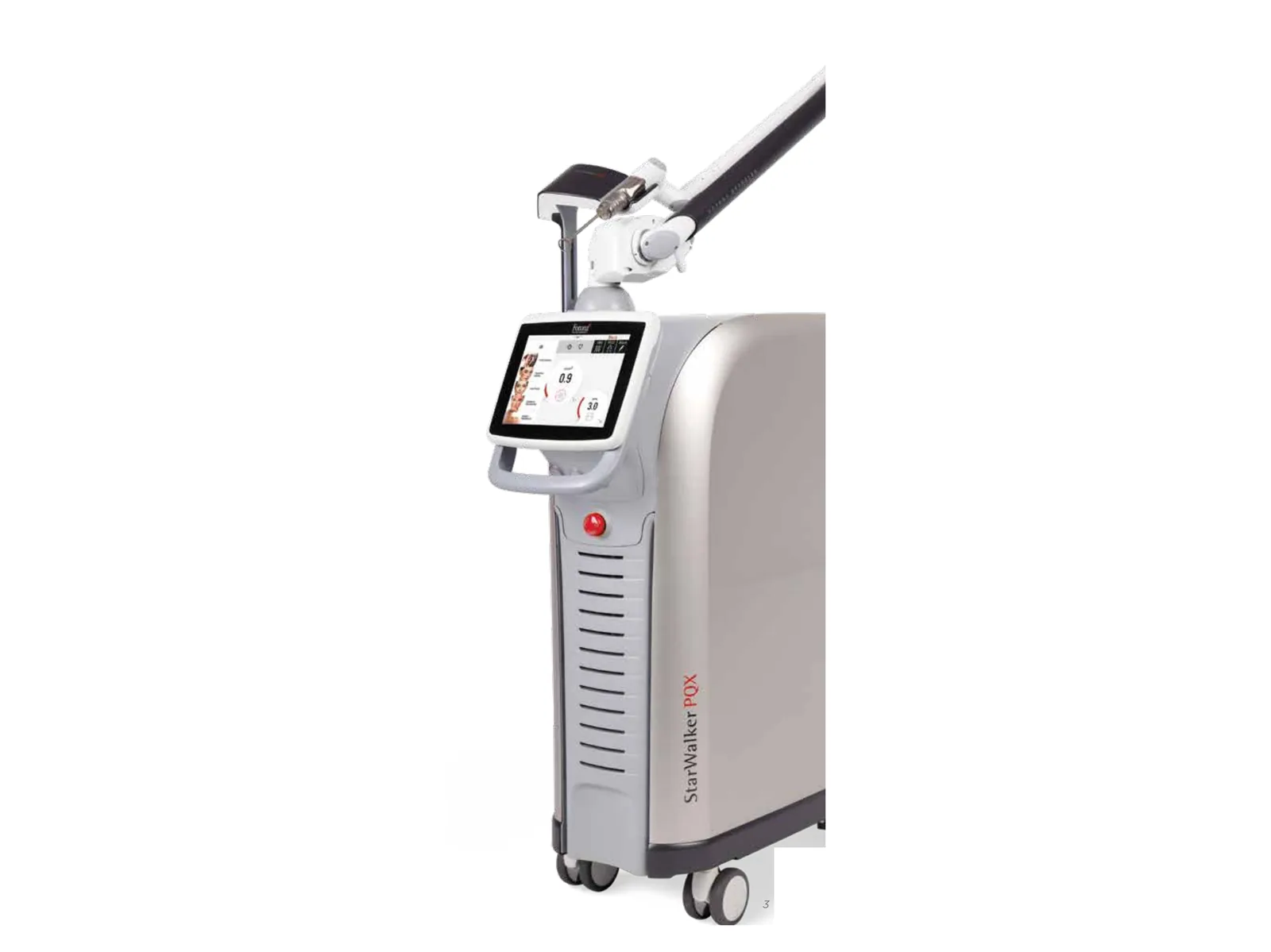
StarWalker is a pigment laser from Fotona, a Slovenian laser company. Its short pulses, measured in picoseconds (one trillionth of a second), break pigment particles into fine fragments through an instantaneous impact rather than heat, and the fragmented pigment is gradually cleared through the body's natural clearing process. With two wavelengths, 1064 nm and 532 nm, it addresses concerns layer by layer, from shallow blemishes to melasma · hyperpigmentation settled in the dermis.
How StarWalker treats pigmentStarWalker three characteristics of
01 Picosecond
Picosecond pulses that break up with impact rather than heat
The shorter the pulse, the less heat builds up in the pigment and the greater the momentary pressure. StarWalker's picosecond pulses break pigment particles into fine pieces with this pressure, so it can treat pigment while reducing the heat transmitted to surrounding tissue.
02 Wavelength
Two wavelengths absorbed at different depths
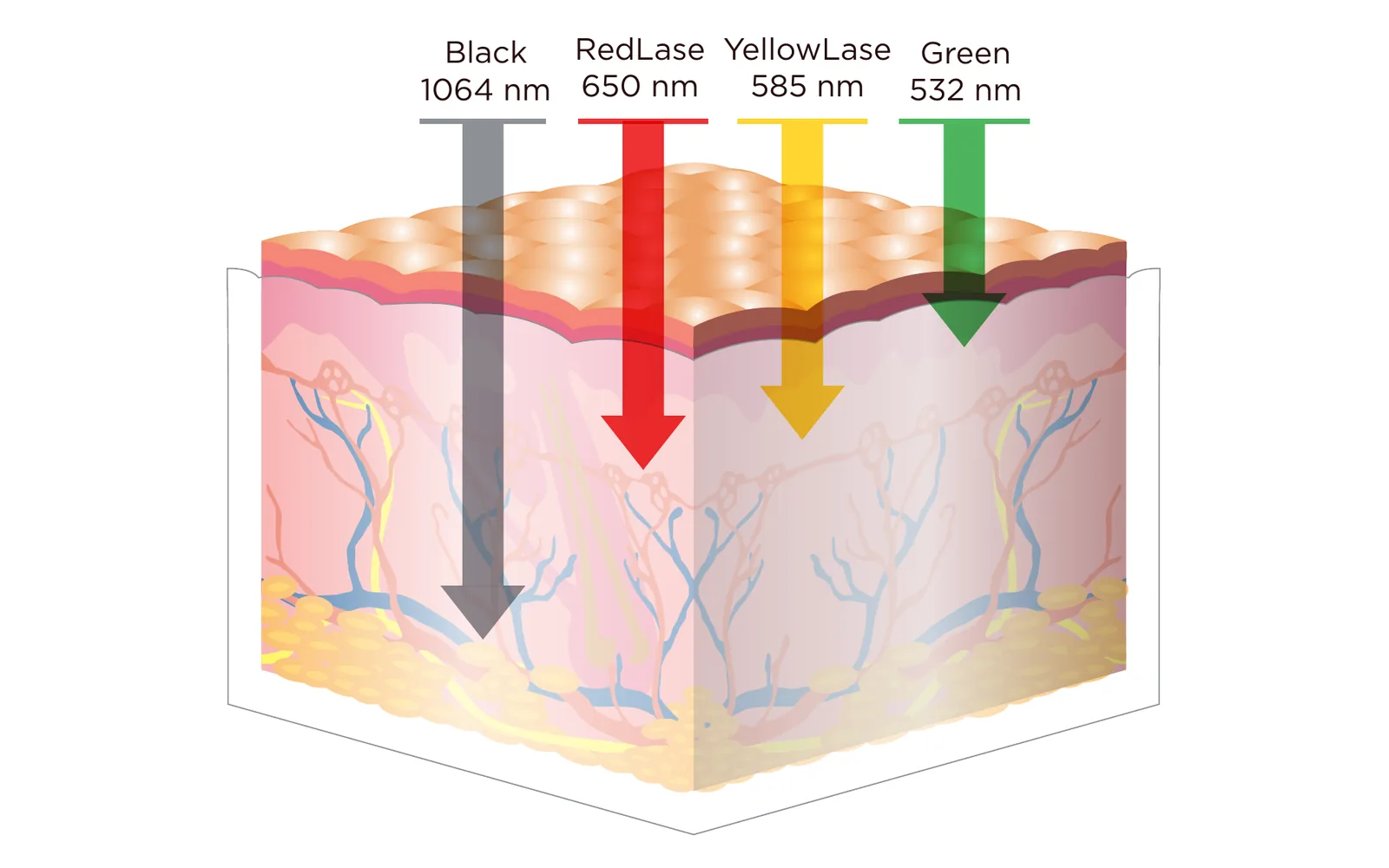
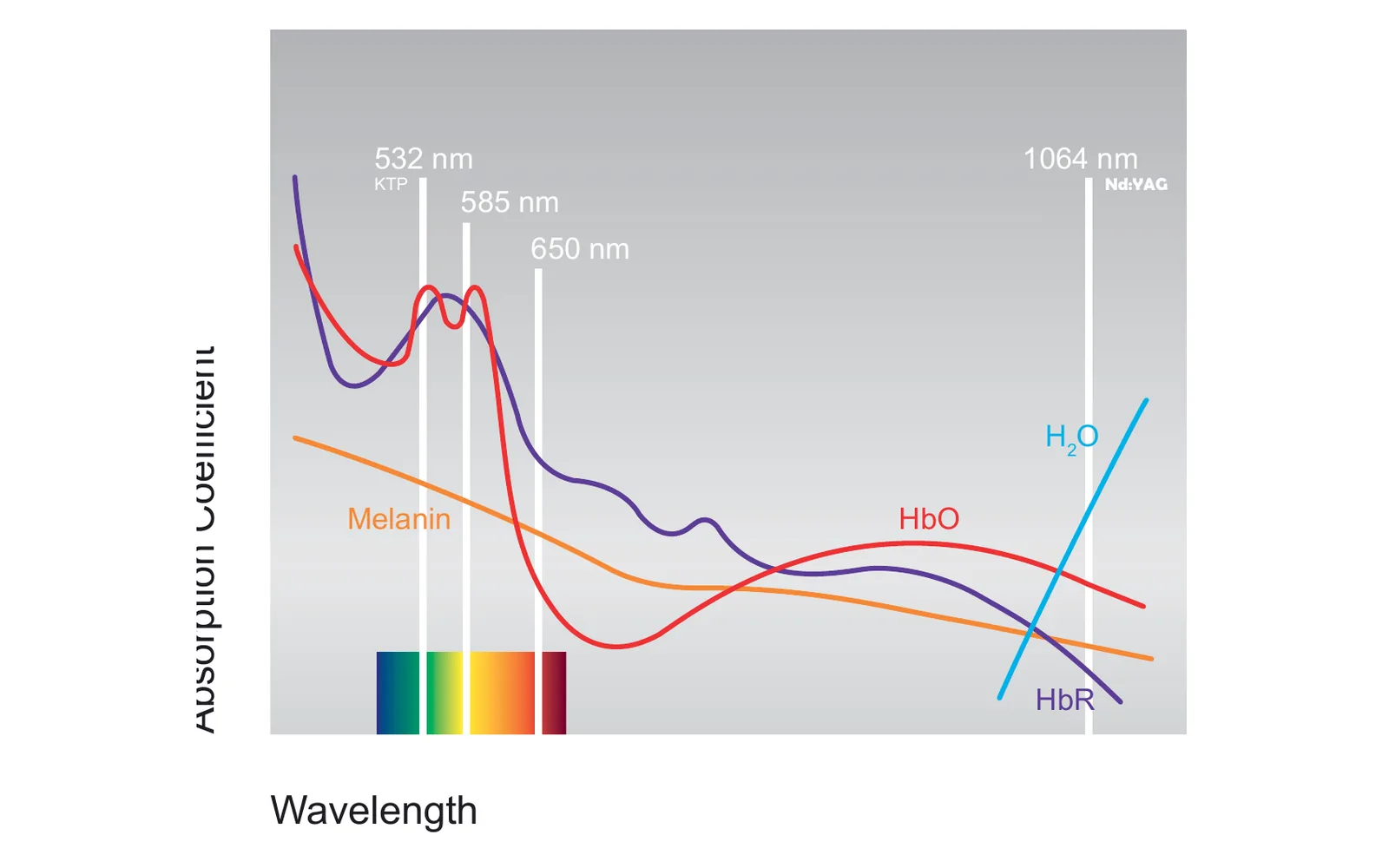
Melanin and hemoglobin absorb light to different degrees at each wavelength. 532 nm is used for shallow pigment in the epidermis, while 1064 nm reaches the dermis and is used for deep pigment and toning.
03 Handpieces
An evenly spreading beam, spots of different sizes
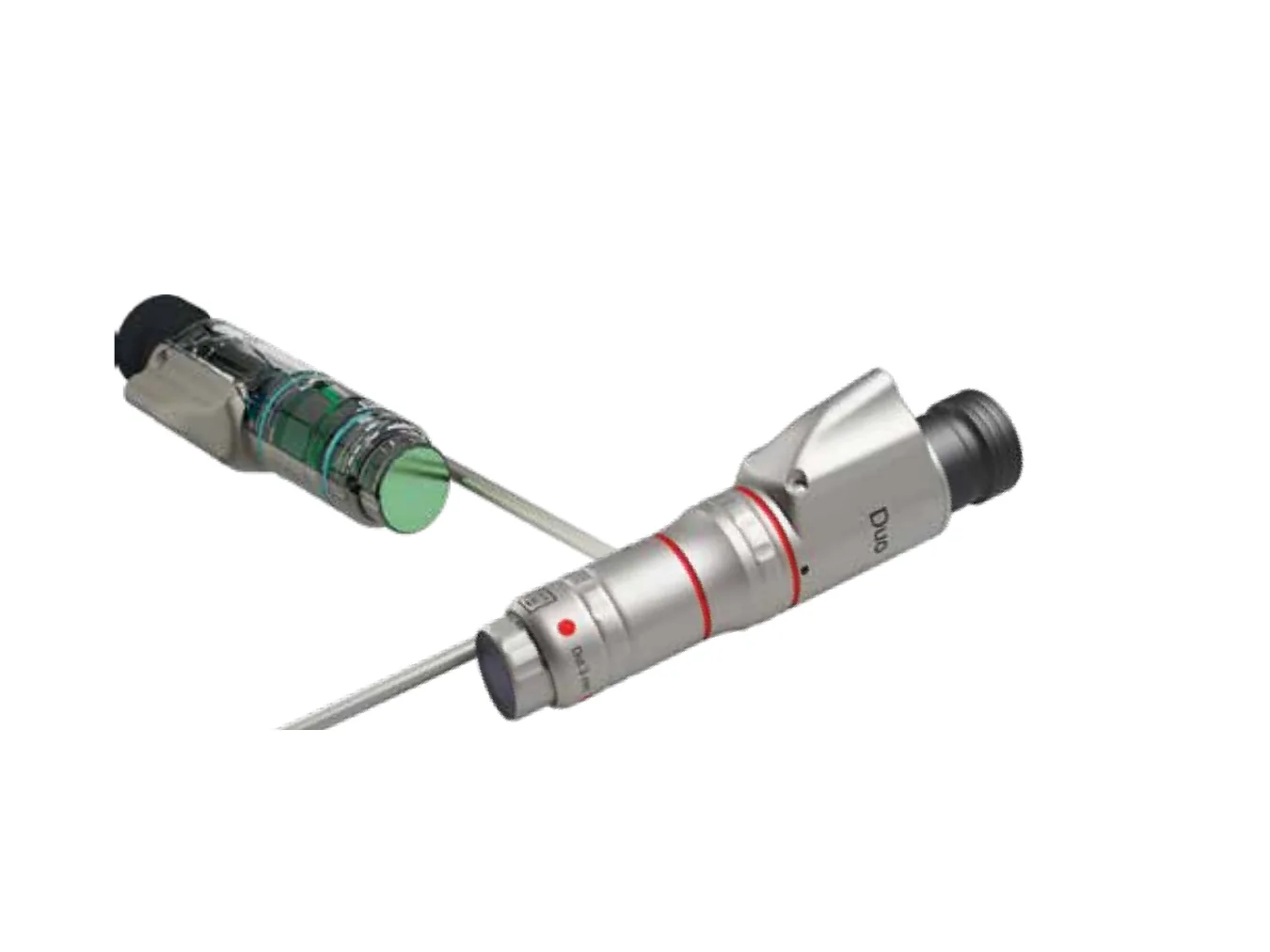
When a color-coded titanium handpiece is attached, the equipment recognizes the handpiece type and spot size on its own. A handpiece with even energy to the edge of the beam is used for full-face toning, and a small 1-3 mm spot is used to treat blemishes one by one.
How DER AaN handles StarWalker Looking at the pigment, choosing the wavelength, and dividing the sessions
SEEAssessment of pigment type · depth
Melasma, blemishes, freckles and pigmentation each sit in a different layer. We first look at the type and depth of the pigment and your skin tone and sensitivity.
PLANWavelength · spot · session planning
We divide shallow pigment at 532 nm from deep pigment and toning at 1064 nm, and set the spot size, energy and interval between sessions to suit the area.
TREATPerformed by the doctor herself
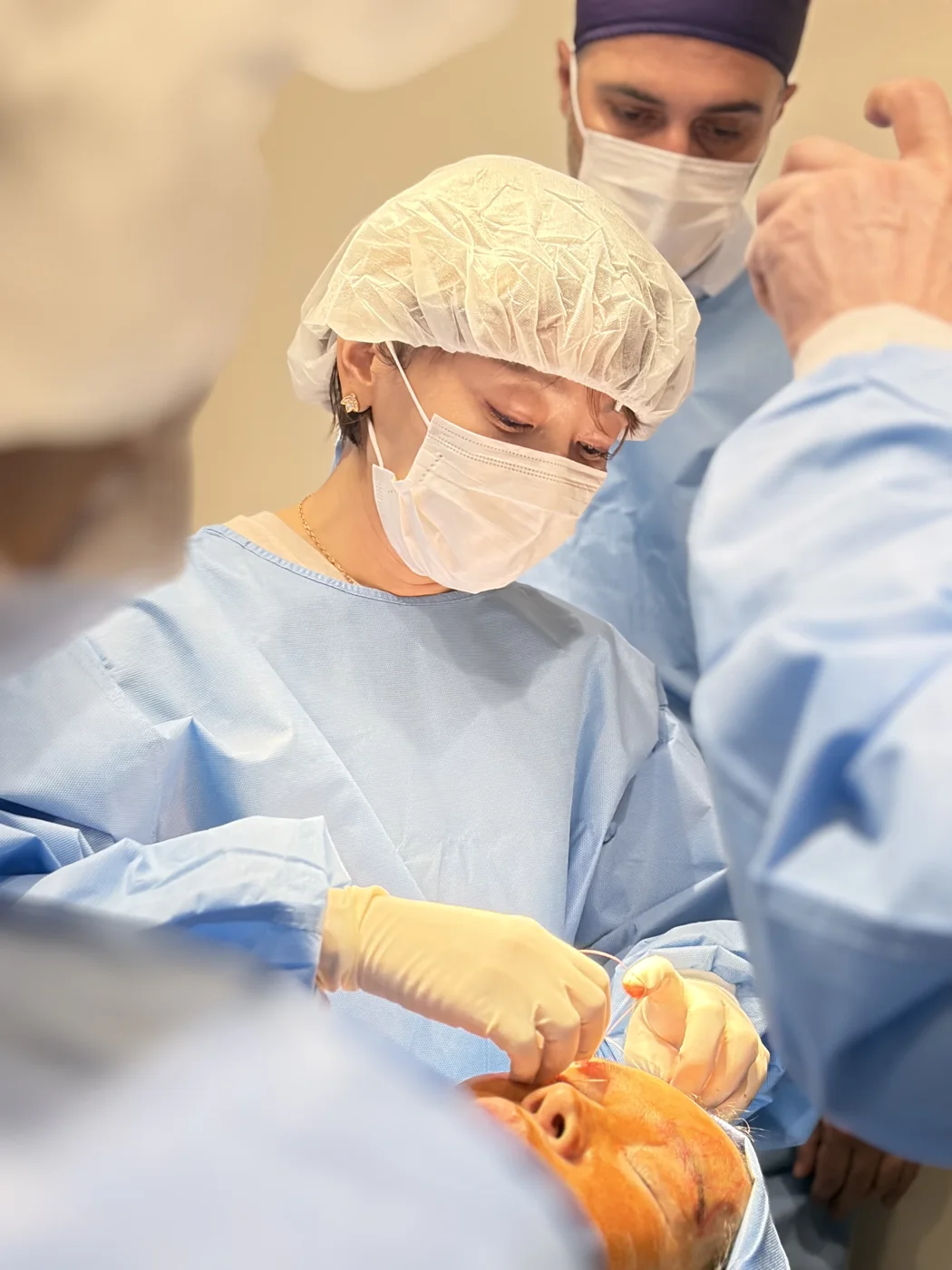
Dr. Kyungeun Lee, the laser medical advisory board member, personally performs the procedure with energy she designed, and advises on sun protection and the timing of the next session afterward.
Chosen by the layer of pigment:Wavelength and irradiation method
532nmShallow pigment
Pigment in the epidermis, such as freckles and blemishes
1064nmDeep pigment · toning
Melasma · pigmentation, evening out the tone of the whole face
1~3mmSmall-spot irradiation
Dividing each blemish into a small dot
Even for the same pigment, the wavelength and delivery method differ when the depth differs.
FOTONA STARWALKER
Matched to the depth of the pigment, Breaks it into fine pieces with short pulses.
Laser Advisory Board
An advisory committee member in laser medicine performs the treatment personally
Dr. Kyungeun Lee, Medical Director
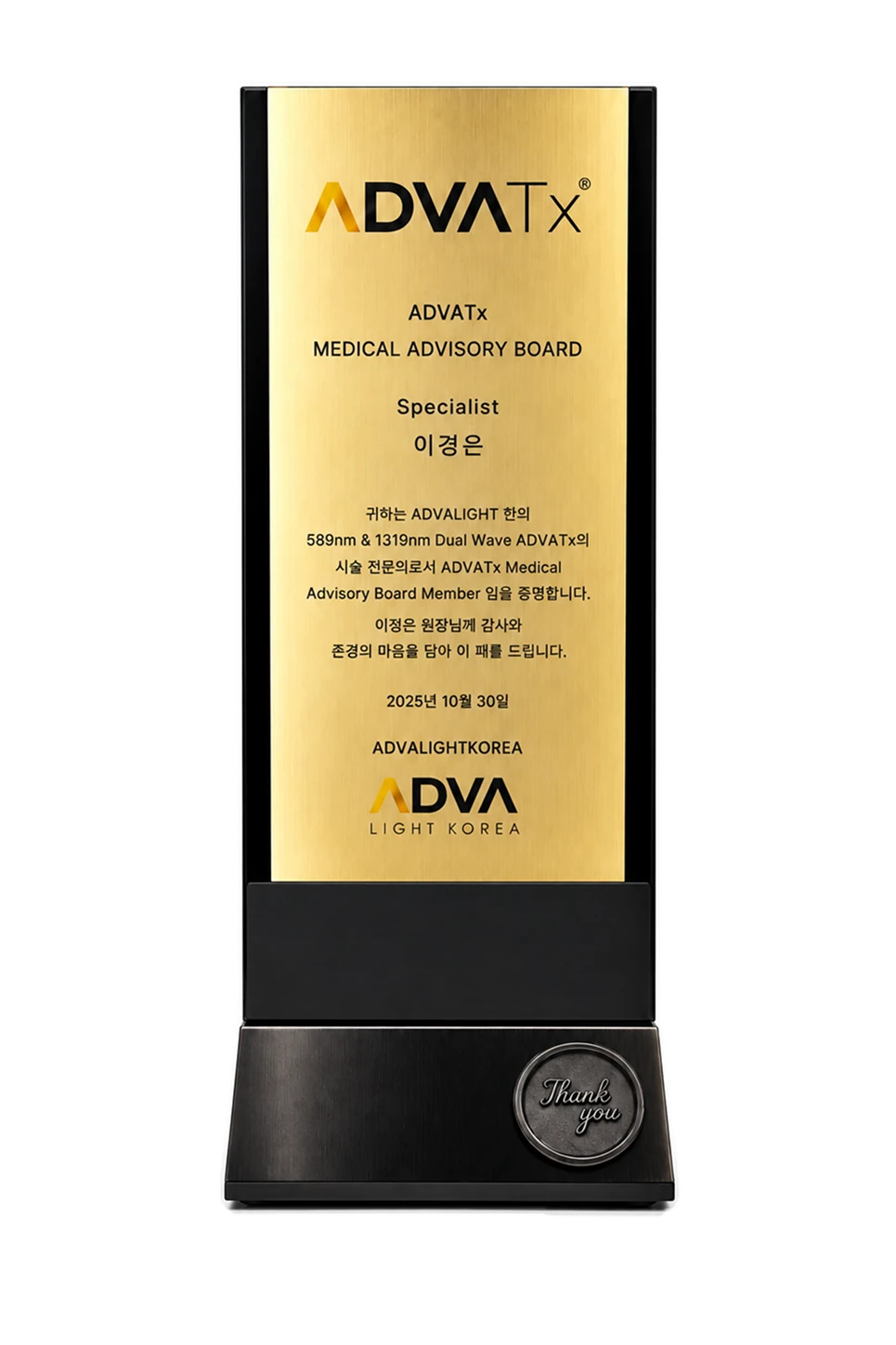
Certification as a member of the Laser Medicine Advisory Committee
Expert member of the ADVATX Laser Medical Advisory Board
Publications Director, Korean Society of Aesthetic, Obesity and Regenerative Medicine (KORA)
These are the questions we receive most often at consultations, such as pain, recovery, number of sessions and combined procedures. Cost varies with the area and number of sessions, so we advise at the consultation, and the answer can differ depending on your individual pigment type and skin condition.
Is the StarWalker procedure painful?
It feels like a mild sting, as if lightly snapped by a rubber band, and full-face toning is usually done without anesthesia. When pigment spots are treated as small spots, the momentary sensation is slightly stronger, so numbing cream is added if needed. Pain sensitivity varies from person to person.
Do scabs form after the procedure? From when can I wear makeup?
Toning often ends with only temporary redness, and you can usually wear makeup from the next day. Where blemishes were treated with partial irradiation, a thin scab forms and falls off naturally in about a week; do not forcibly pick the scab, and apply sunscreen thoroughly.
When will StarWalker results appear?
It takes time for broken-down pigment to leave the body, so for blemishes you can expect fading after the scabs fall off, and for melasma and pigmentation gradual fading over repeated sessions. This varies from person to person according to the type and depth of the pigment.
How many sessions and at what interval should I have it?
Blemishes and freckles may respond in few sessions, while melasma and pigmentation are usually done in several sessions about 2-4 weeks apart so they fade gradually. The number of sessions and interval are decided at the consultation by looking at the depth of the pigment and your skin response.
Is it for melasma, blemishes or freckles?
It handles all three, but the wavelengths differ. Pigment in the epidermis such as freckles and blemishes is treated with 532 nm, and pigment that has descended to the dermis such as melasma and pigmentation with 1064 nm. If pigment is mixed across several layers, we change wavelengths within a single procedure.
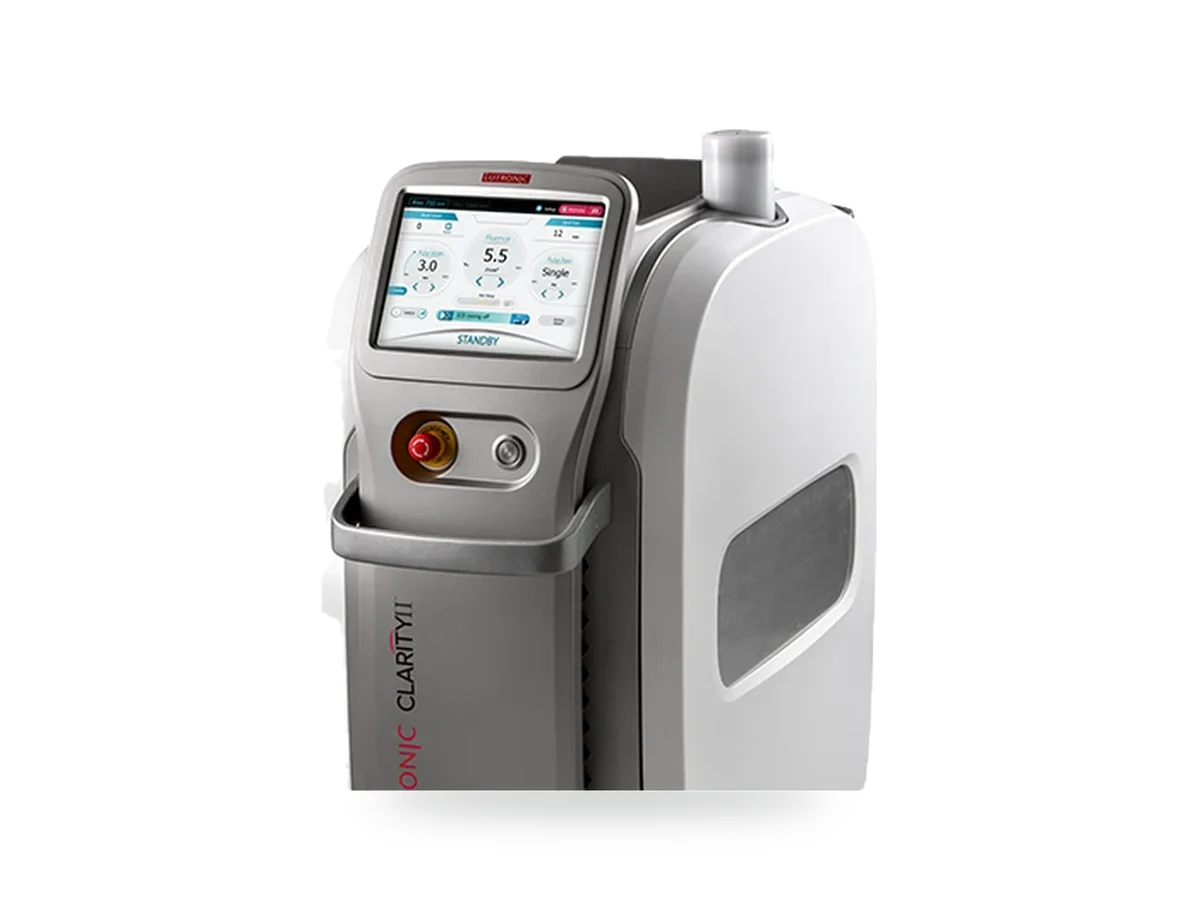
How is it different from Clarity Pro 2?
StarWalker is a pigment laser tuned to break pigment particles into fine pieces with picosecond pulses, while Clarity Pro 2 is equipment that treats pigment, blood vessels, tone and hair removal together with 755 nm and 1064 nm long pulses. Depending on your concern we use one of them or design the two separately.
Can it be combined with other treatments?
If pores and scars are also a concern along with pigment, we can design separately with Pico Fractional; shallow skin texture and tone with LaseMD; and redness with Quadrostar Pro Yellow. Whether to do them on the same day or space them out is decided by your skin condition.
What should I be careful about after the procedure?
After the procedure, above all take sun protection, and for a few days avoid saunas, exfoliation and irritating cosmetics. If the skin looks temporarily darker or redness lasts long, please let the clinic know. The procedure is postponed if you have recently been heavily sun-tanned or have inflammation at the treatment site.
Results and how long they last may differ depending on individual skin condition, and our medical staff will explain possible side effects during the consultation.


 01 Picosecond
 02 Wavelength
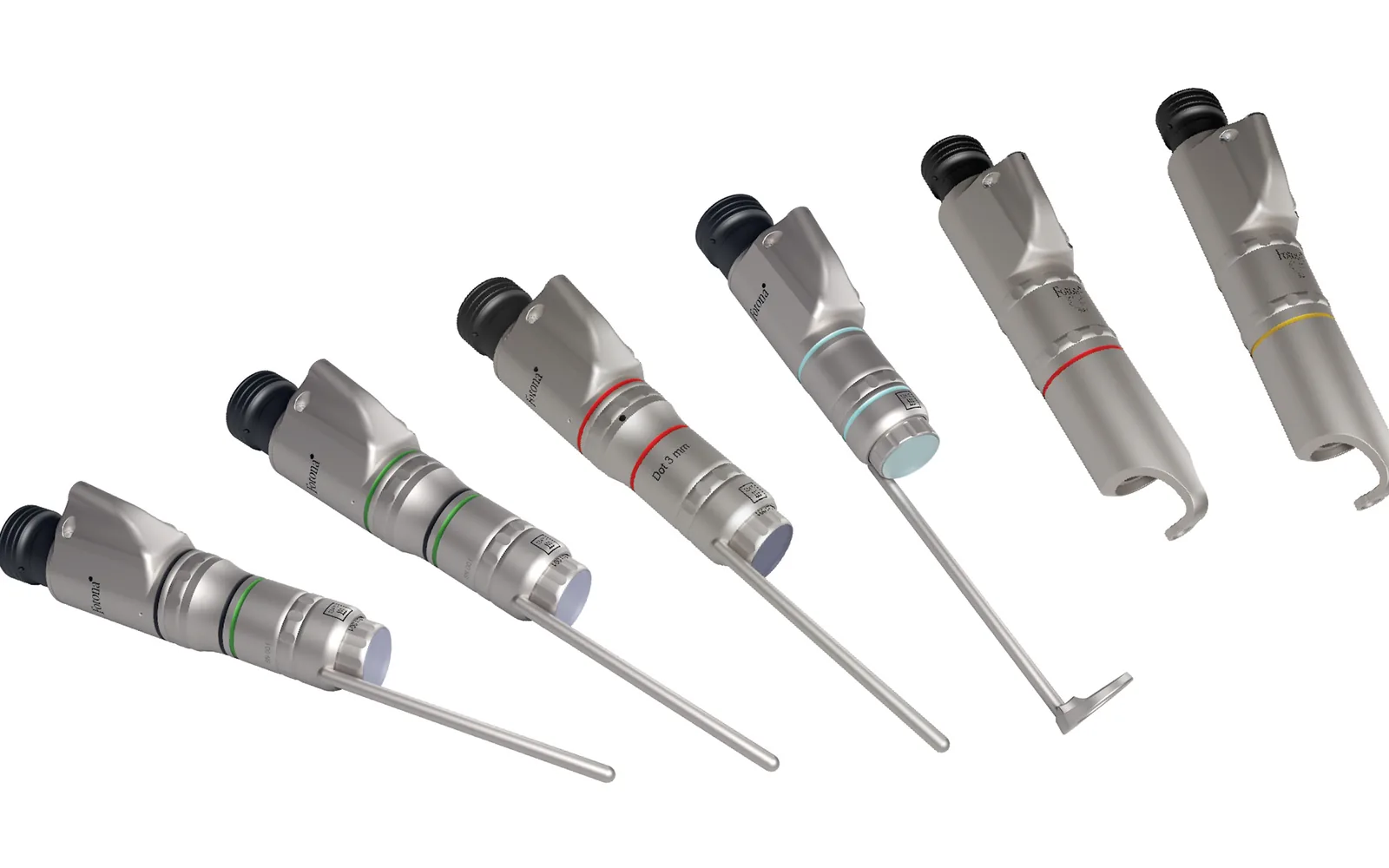 03 Handpieces