360° spiral barbs that grip the tissue — PDO thread lifting chosen by area
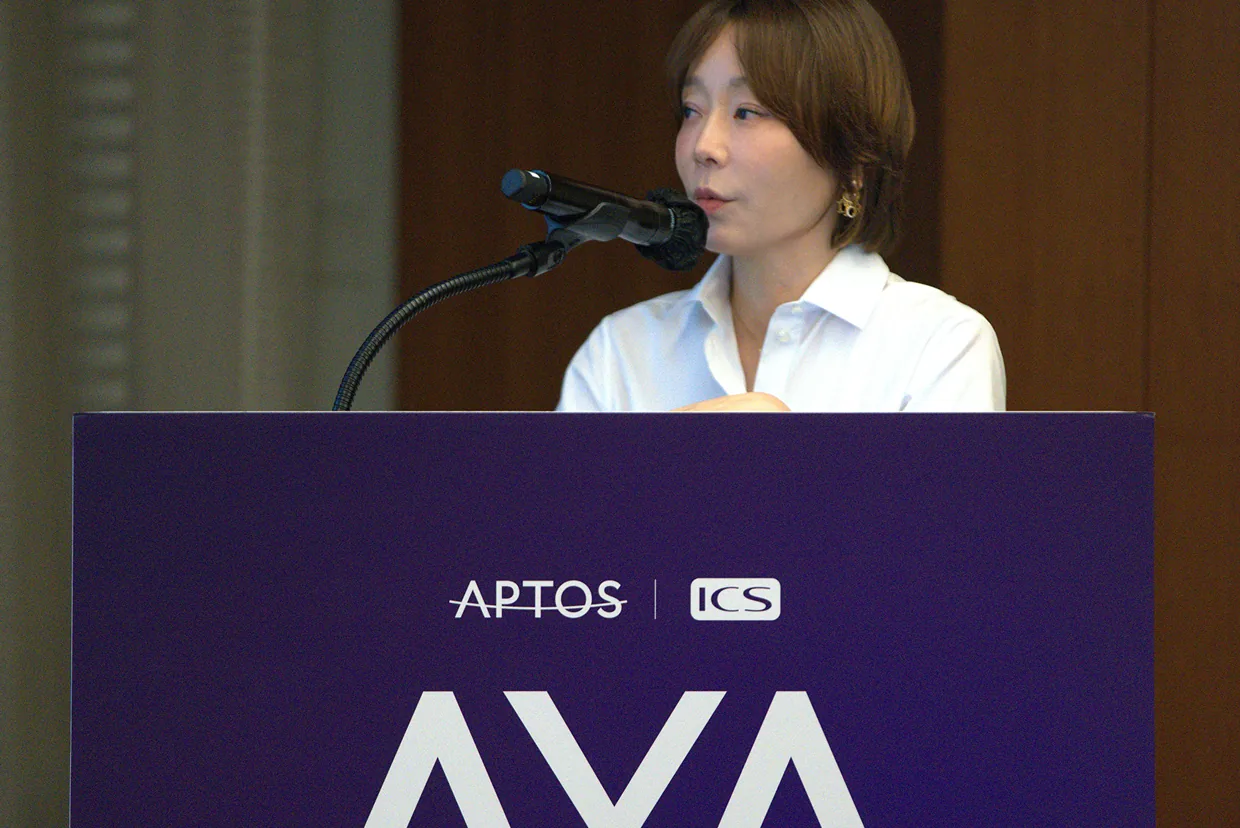
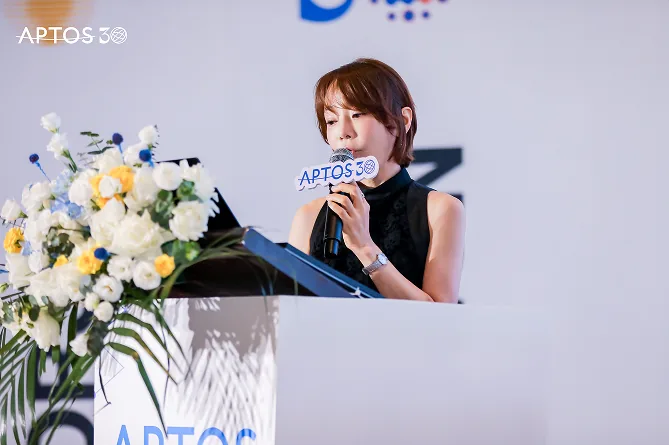
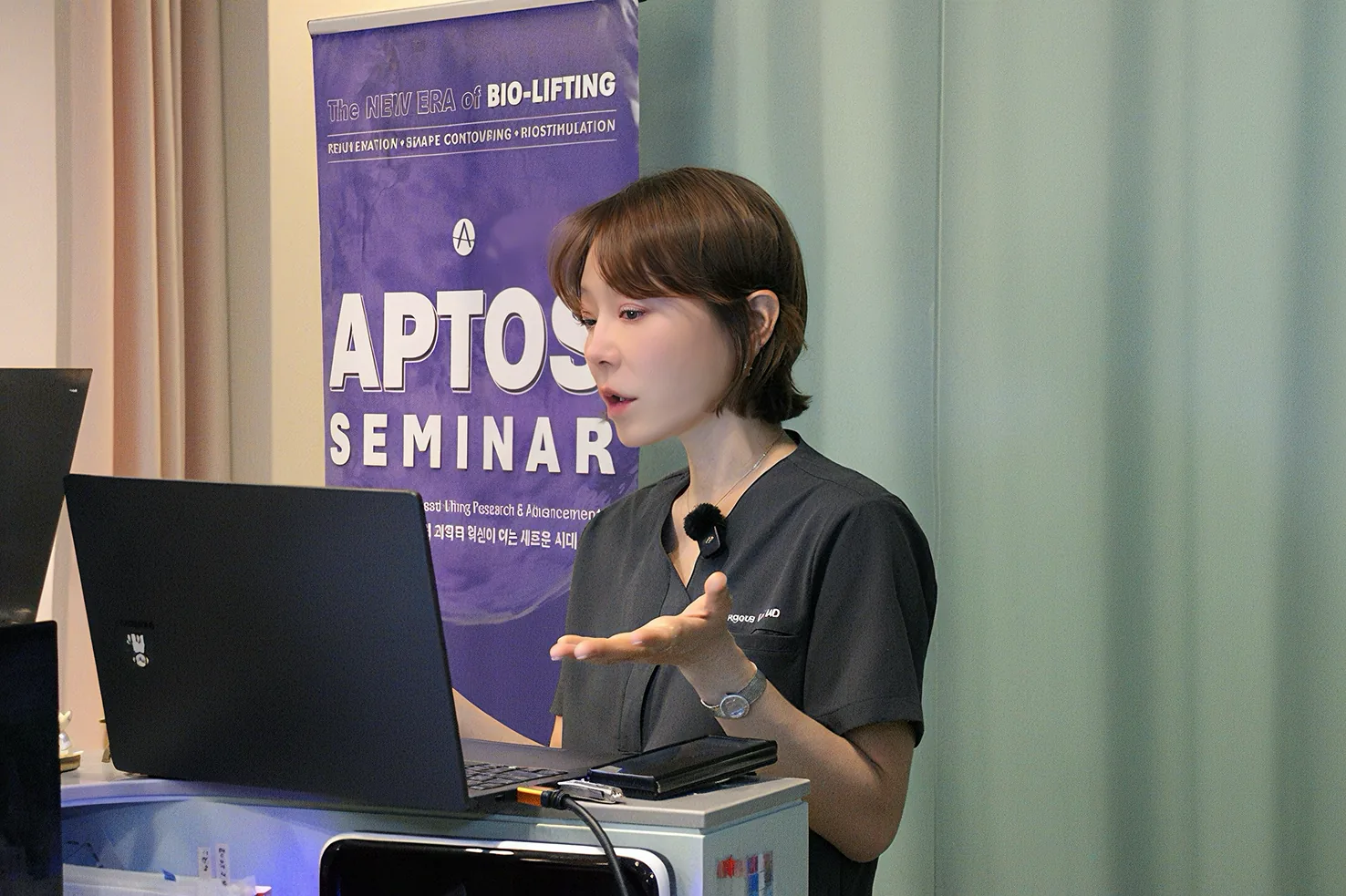
Performed personally by Dr. Kyungeun Lee, a thread lifting trainer
×
Barbs are molded, not cut into the thread with patented press molding PDO threads that grip 360°
MINT Lift is a thread lift made from PDO (polydioxanone), which breaks down in the body, with barbs formed onto the thread surface by press molding. Instead of cutting barbs out of the thread core, the barbs are molded separately and pressed onto the thread, so the thickness of the thread and the shape of the barbs are preserved. The barbs are arranged in a spiral across the full 360° of the thread, catching and lifting sagging tissue from multiple directions.
How it differs from cut threadsMINT Lift threads— three structural features
01 Press Mold
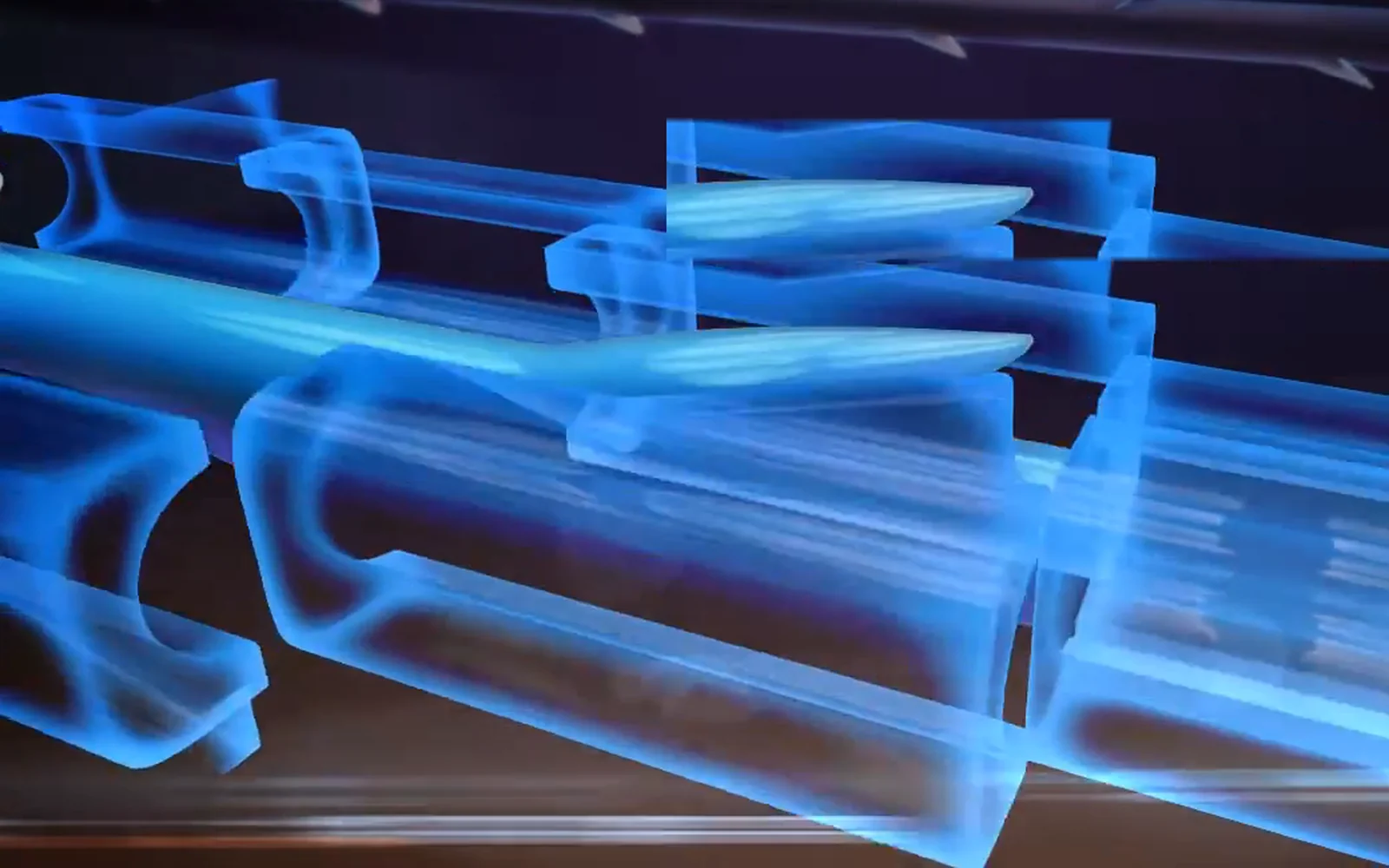
Press-molded barbs that do not cut into the thread
Ordinary cog threads are made by cutting barbs into the surface of the thread, which makes the thread that much thinner. MINT threads use a patented method in which the barbs are formed separately and pressed onto the thread, keeping the thickness of the thread core intact and the barb shape consistent.
02 360° Helical
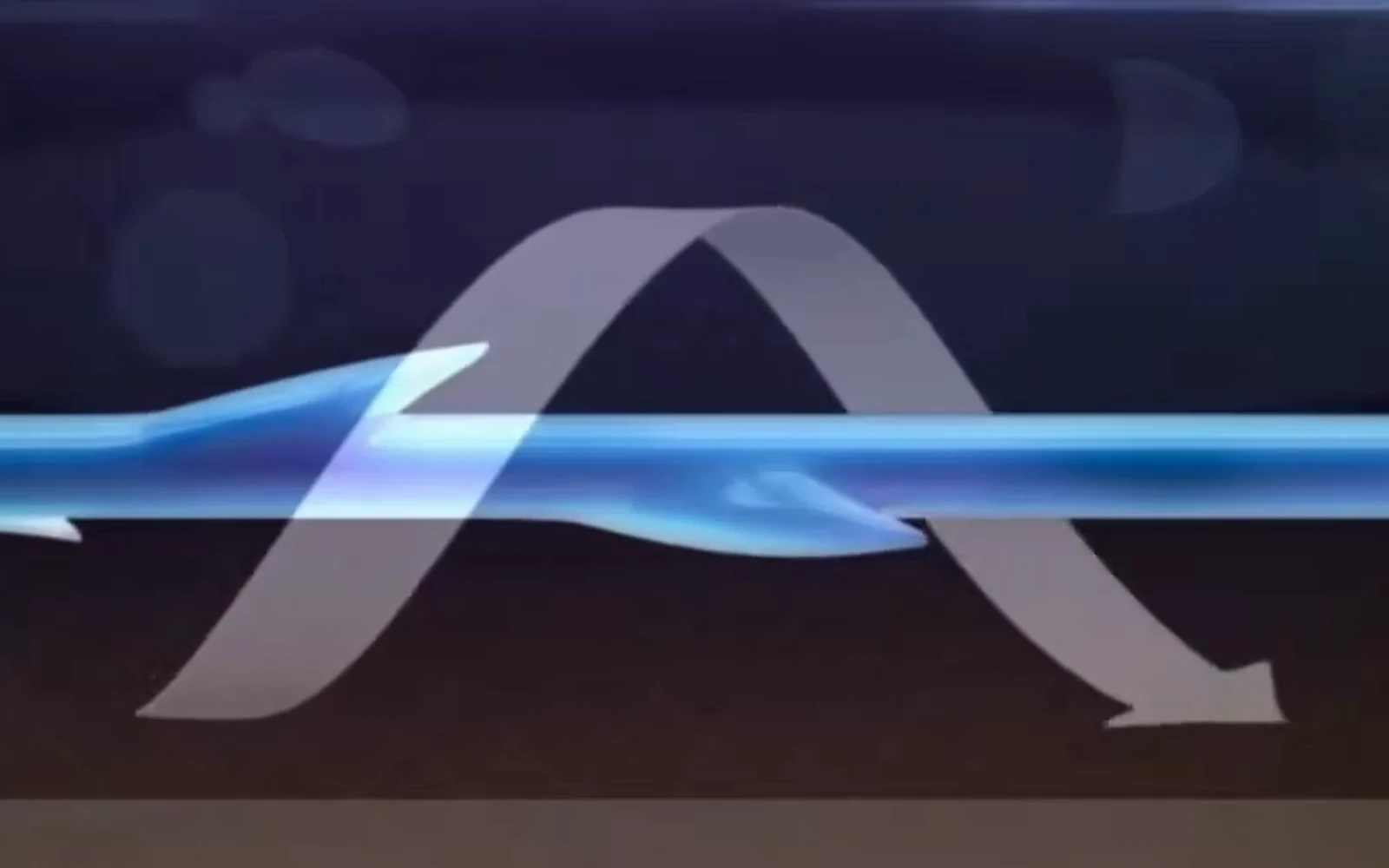
Spiral barbs running 360° around the thread
The barbs are arranged in a spiral around the entire circumference of the thread rather than on just one side, so after insertion they catch and hold sagging tissue from multiple directions. Seen in cross-section, the barbs point in all directions in a star shape.
03 PDO
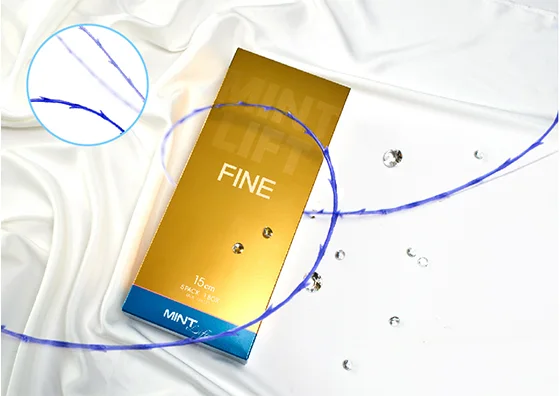
PDO that breaks down and leaves collagen behind
PDO (polydioxanone) is an absorbable material long used for surgical sutures. While the thread supports the tissue, collagen forms around it, and the thread gradually breaks down so that nothing remains in the body.
How DER AaN Cheongdam works with MINT Lift threads We assess the sagging, choose the line, and design the direction
SEEChecking facial structure · direction of sagging
We first assess which area — cheeks, jawline, nasolabial folds or forehead — has sagged, in which direction and how much, as well as the skin thickness.
PLANLine-up · Number · Direction planning
From a lineup of 10 types, we select the thread suited to the area and skin thickness, and plan the direction of lift, fixation points and number of threads.
TREATPerformed by the doctor herself
After local anesthesia, Dr. Kyungeun Lee personally inserts the threads along the planned vectors and checks left-right balance.
MINT Lift product line-up video · provided by Hans Biomed
Chosen by area and skin thickness MINT Lift line-up
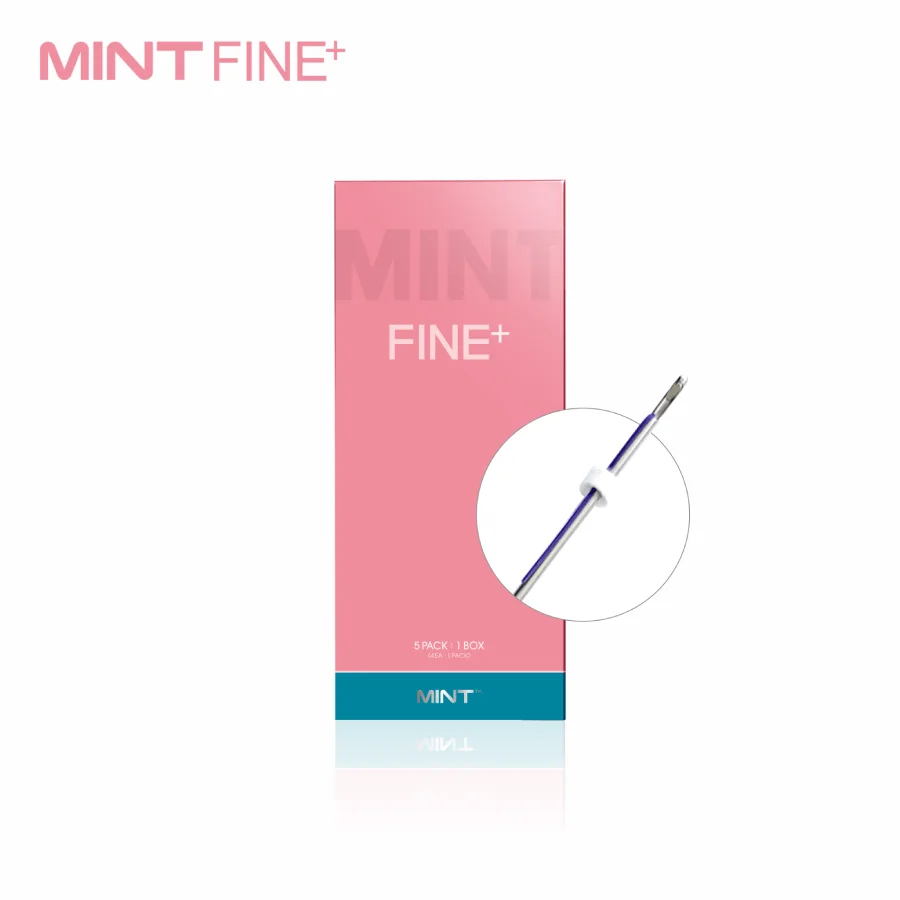
FINE+Fine Plus
Thin thread · bidirectional — overall lifting for areas with thin skin
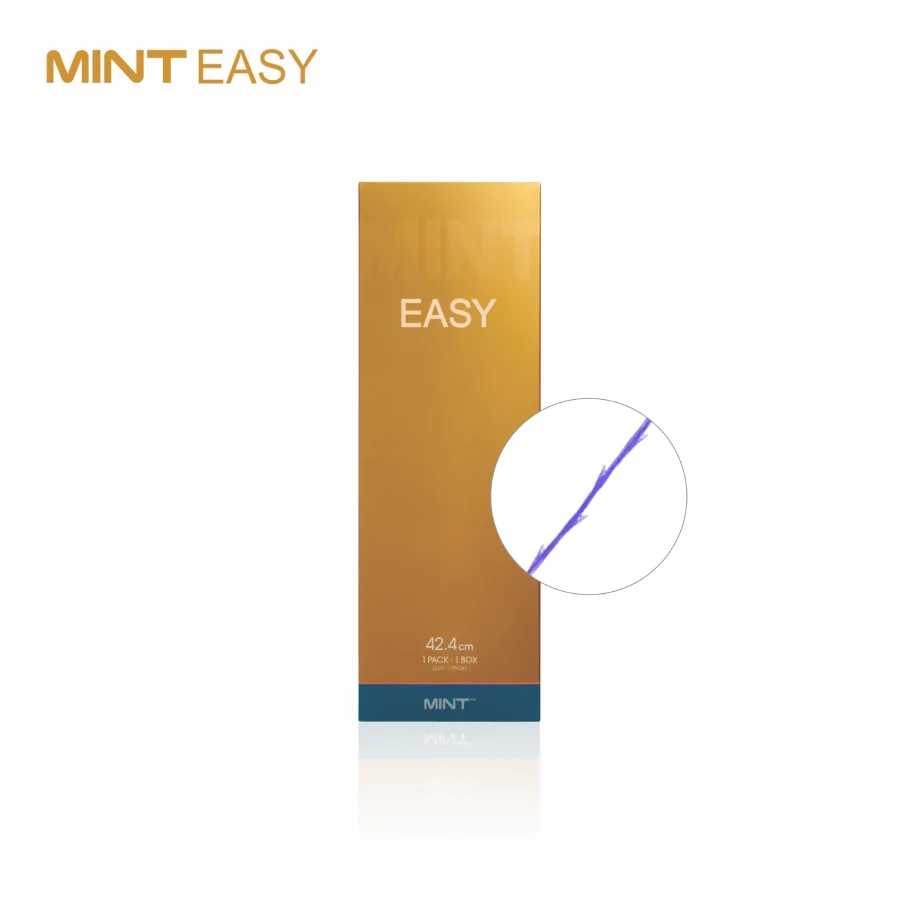
EASYEasy
Integrated needle, 43 cm — for the double chin and areas with pronounced sagging
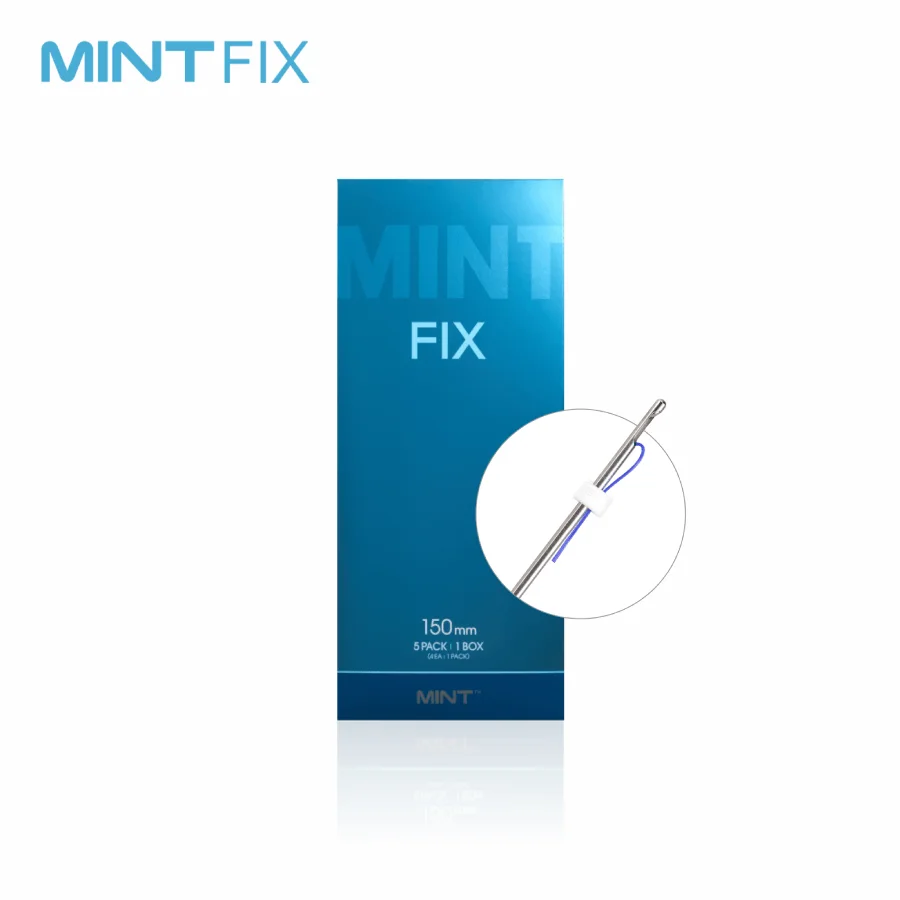
FIX+Fix Plus
Multidirectional fixation type — reinforcing fixation points together with bidirectional threads
From PETIT+ · UP+ · TIP+ · MINI · 43 · SIMPLE, we combine from among 10 types to match the area and skin thickness.
MINT LIFT
Barbs that are molded rather than cut, They grip the tissue at 360°.
Thread Lifting Trainer
A doctor who teaches thread lifting designs the direction and anchor points
Dr. Kyungeun Lee, Medical Director
APTOS Legend Trainer — thread lift planning · training
These are the questions we are asked most often during consultations. Answers may vary depending on your individual skin condition.
How much does MINT Lift cost?
It varies with the treatment area and the type and number of threads used. At the consultation we check the direction of the laxity and your skin thickness, then decide on the lineup and number of threads and explain them to you.
How is MINT Lift different from other thread lifts?
Instead of carving barbs out of the thread's surface, the barbs are formed separately and press-moulded onto the thread, so the thread's thickness and the shape of the barbs are maintained; the barbs are arranged spirally around the full 360° of the thread and grip tissue from multiple directions. The material is absorbable PDO.
When do MINT Lift results appear, and how long do they last?
Right after insertion, the barbs hold and lift the tissue so the tightening is felt immediately, and as the threads break down, collagen forms around them so the firmness continues. How long it lasts varies from person to person depending on the type of thread, skin condition and lifestyle, and will be explained during the consultation.
Does MINT Lift hurt? How long is the recovery?
Insertion with a cannula under local anesthesia keeps discomfort relatively low, and swelling, bruising and tightness after the procedure usually subside within 1–2 weeks. Avoid saunas and alcohol for one week after the procedure, and refrain from opening your mouth widely for about 2 weeks.
What side effects can occur with MINT Lift?
Swelling, bruising or pain at the insertion site and temporary tightness or skin irregularity may occur, and most improve within a few weeks. In rare cases where a thread shows through or can be felt, our medical staff will check and address it.
Which areas is MINT Lift used on, and how many threads are used?
Different line-ups suit different areas — cheeks, jawline, nasolabial folds, forehead, double chin — and the number of threads is designed according to the degree of sagging and skin thickness. For thin areas we use FINE+ · PETIT+, for clearly sagging areas EASY · 43, and for reinforced fixation FIX+, combined as needed.
Which is right for me — MINT Lift, APTOS, or Silhouette Soft?
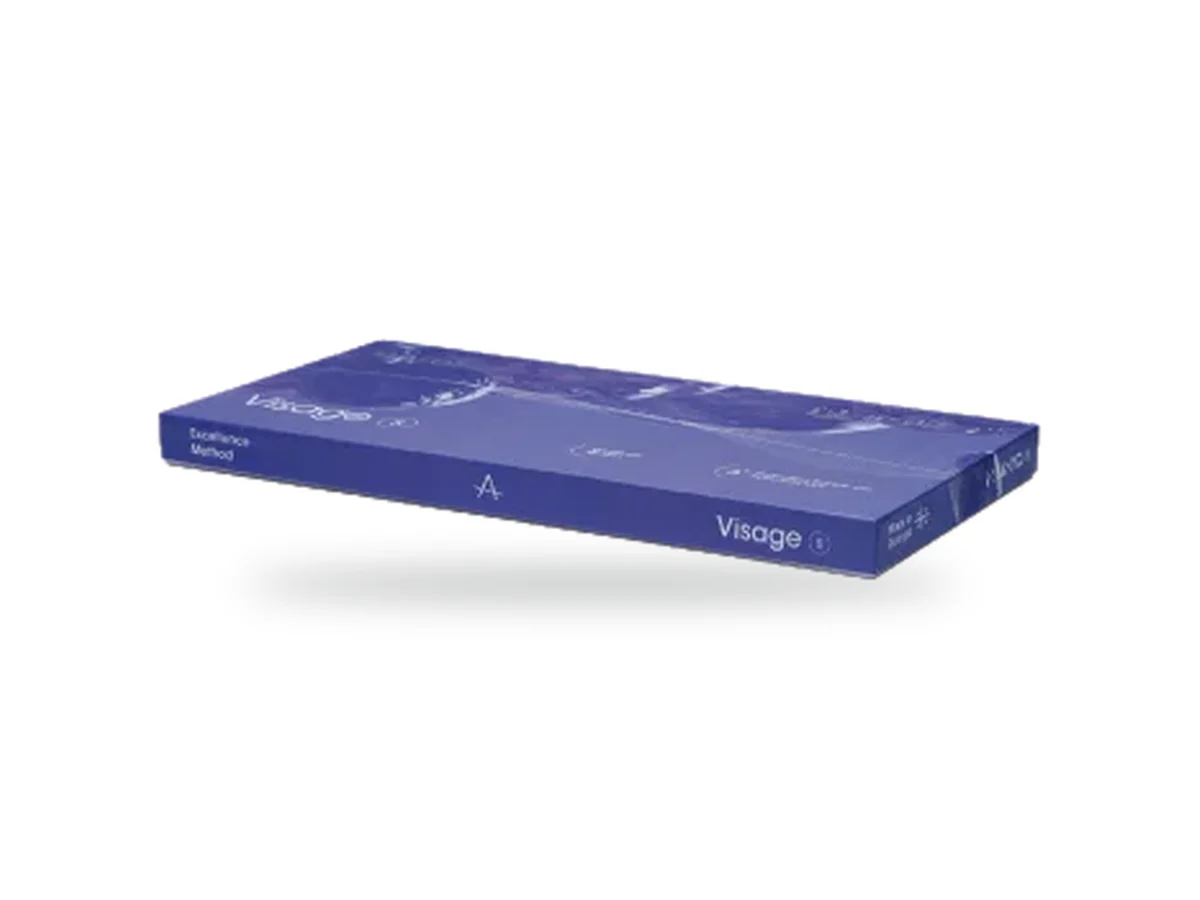
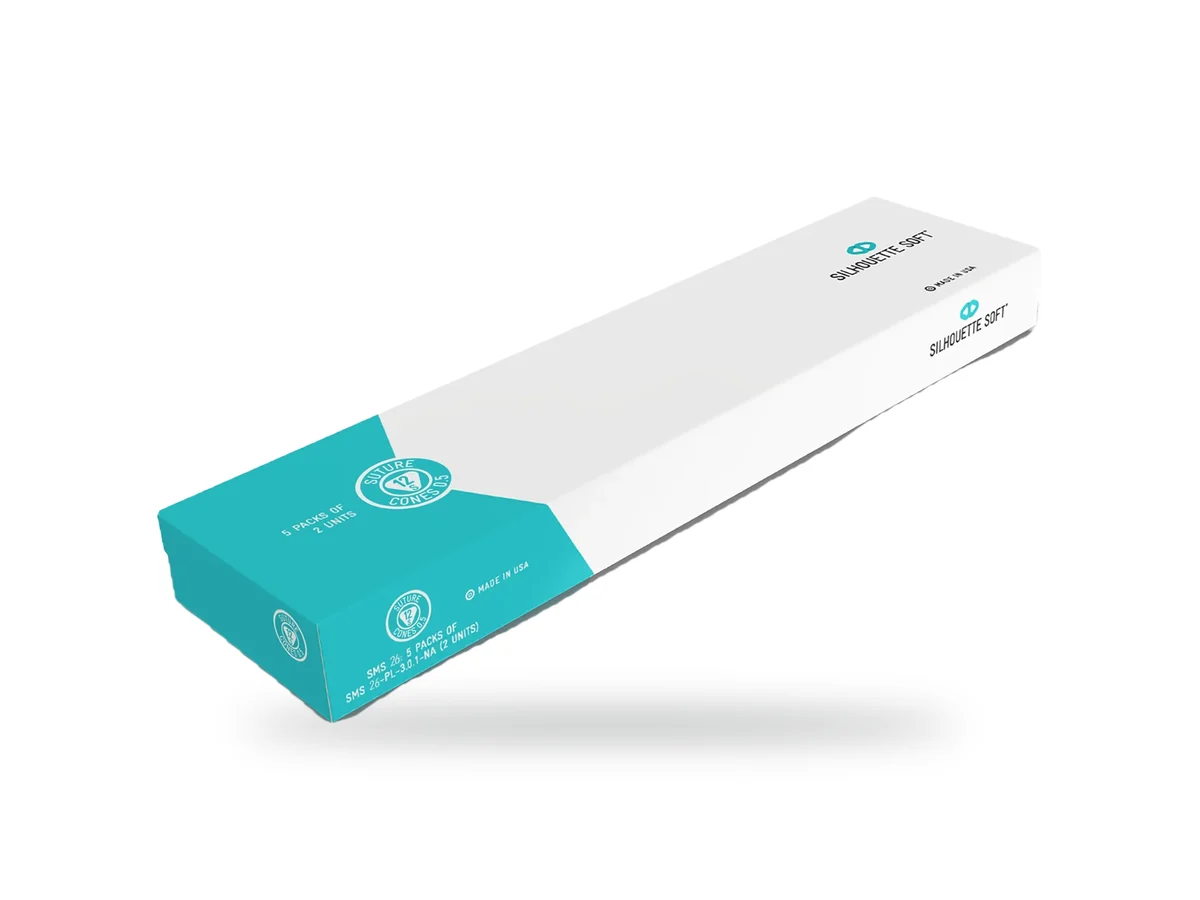
All three are absorbable threads, but the materials and barb structures differ. MINT Lift uses PDO with 360° spiral barbs, APTOS uses P(LA/CL) with cogs and NAMICA hyaluronic acid, and Silhouette Soft uses PLLA with 3D cones. We choose together during the consultation, based on the depth of sagging, skin thickness, and how long you want the results to last.
Results and how long they last may differ depending on individual skin condition, and our medical staff will explain possible side effects during the consultation.


 01 Press Mold
 02 360° Helical
 03 PDO