Post-procedure bio-regeneration care that wraps skin sensitized after laser and other procedures, zipiderm Post-procedure bio-regeneration care, zipiderm
Skin care group · post-procedure regeneration care
×
The 72 hours after the procedure A thin hydrogel film protects recovering skin
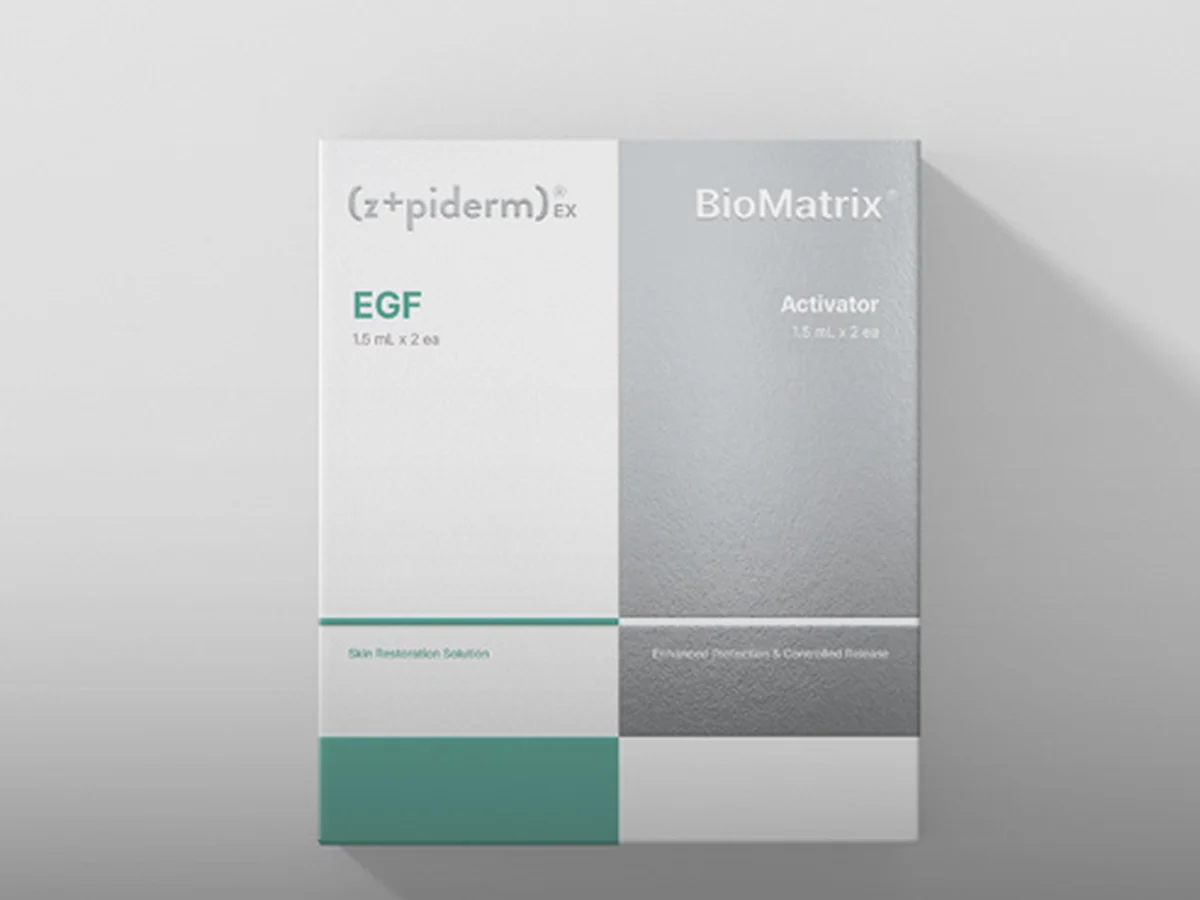
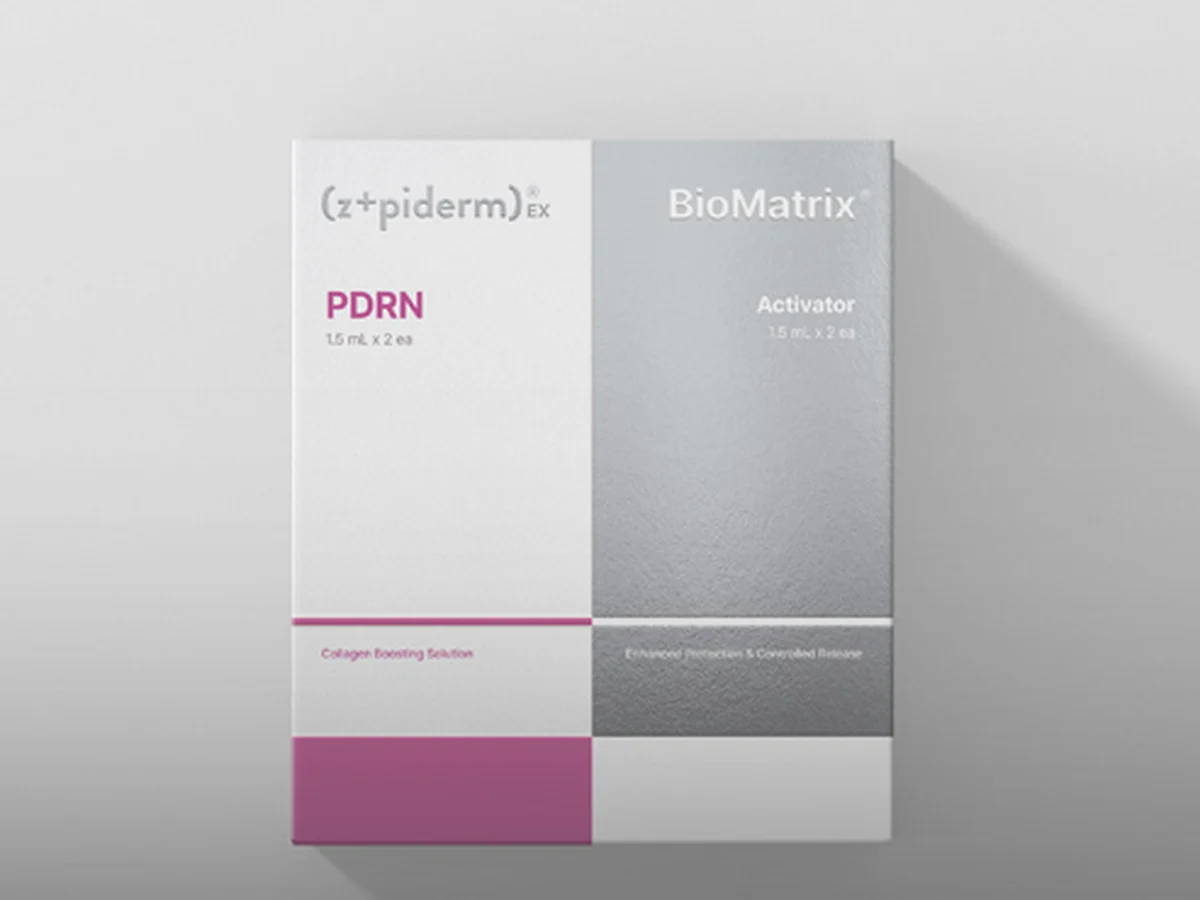
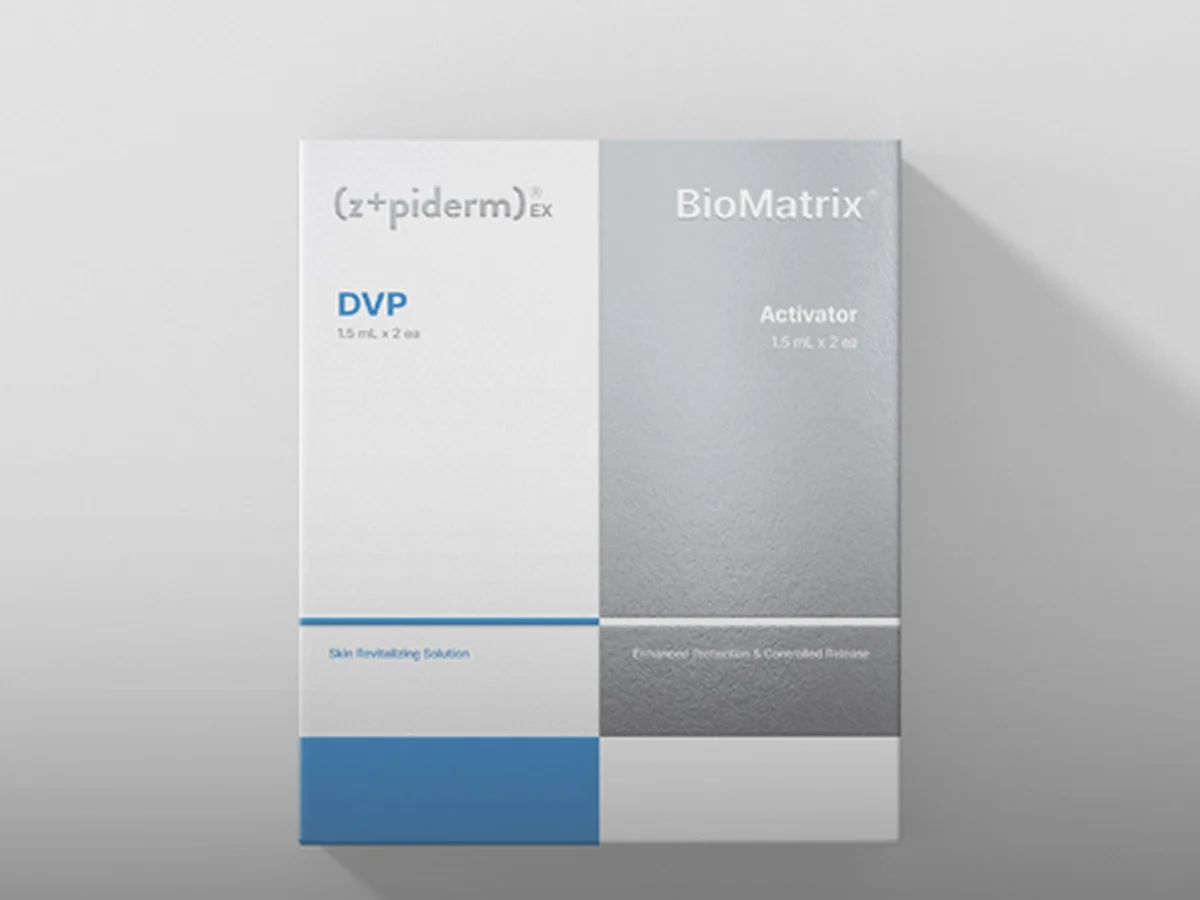
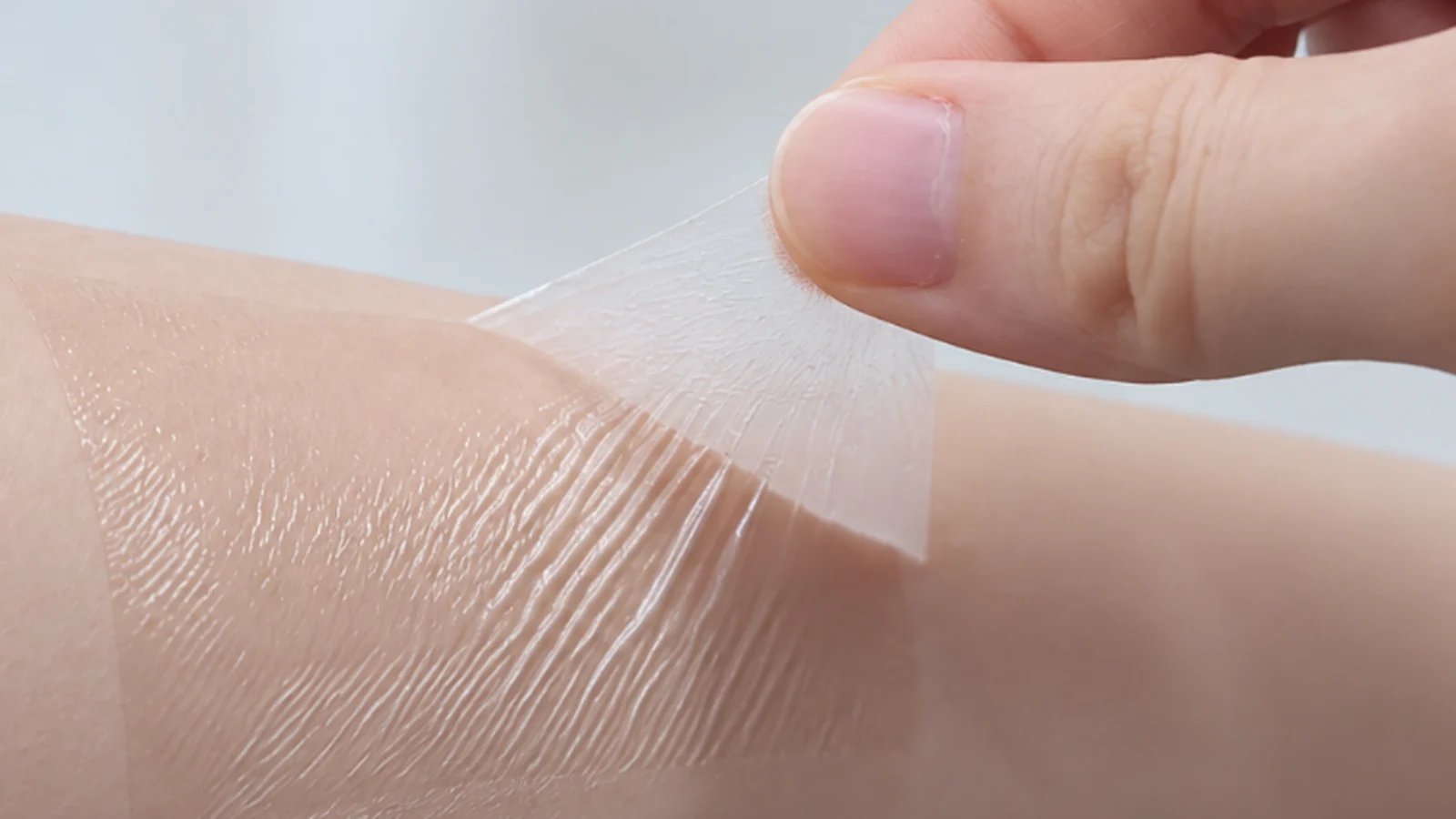
zipiderm is a bio-regeneration care product exclusively for clinics, applied after laser, energy-based device and skin booster procedures. When applied to the skin, it reacts with moisture to form a thin hydrogel protective film, and bioactive ingredients such as EGF · PDRN · DVP held inside are delivered slowly along the fine channels created by the procedure. It is designed to block external irritation and protect the recovery environment during the three days right after a procedure when the skin is most sensitive.
How zipiderm cares for skin after a procedurezipiderm— three principles
01 BioMatrix
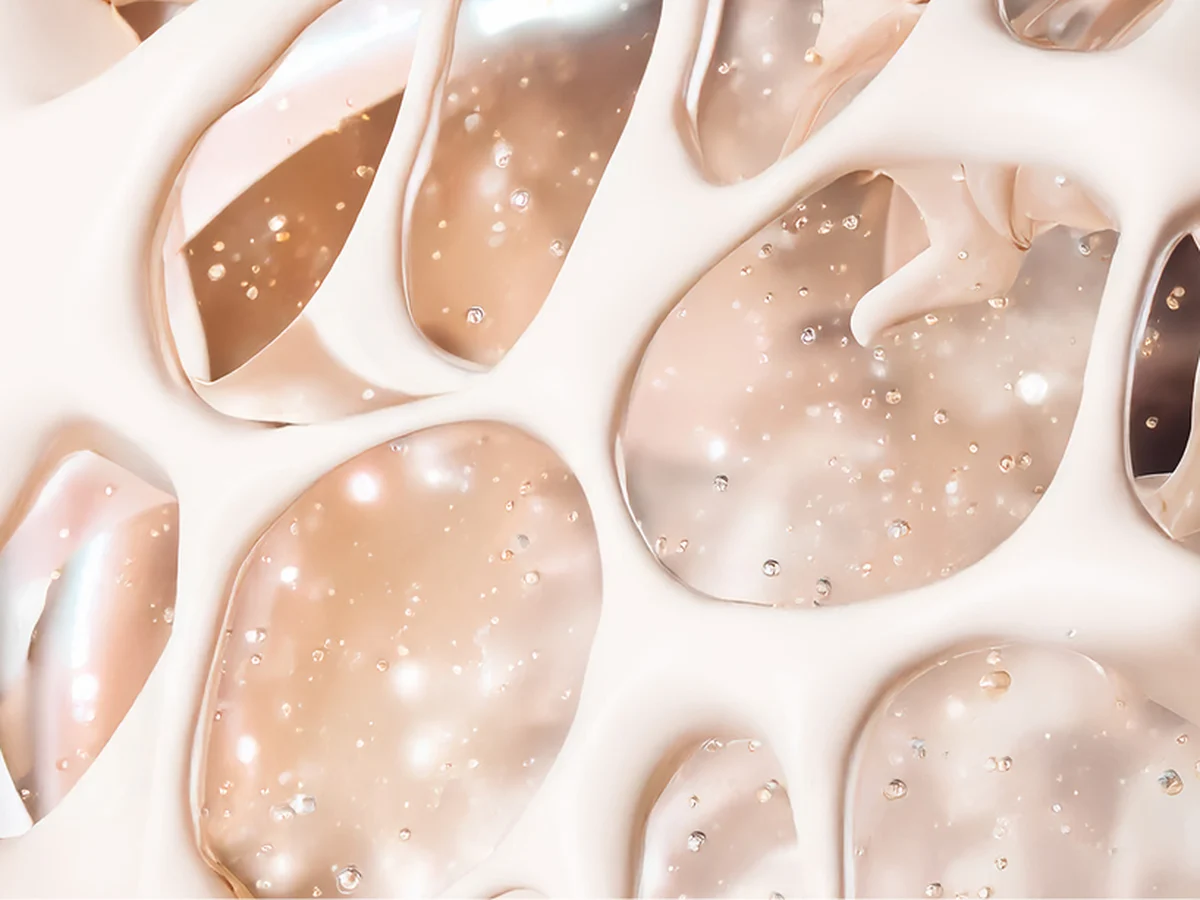
A 3D porous hydrogel that holds the ingredient
BioMatrix, the base of zipiderm, is a hydrogel with a three-dimensional structure of densely packed small pores. Moisture and bioactive ingredients are held in these pores and released little by little over a long time, and the moisture layer and gel layer overlap to replenish moisture in skin that tends to dry out after a procedure.
02 Two-Phase
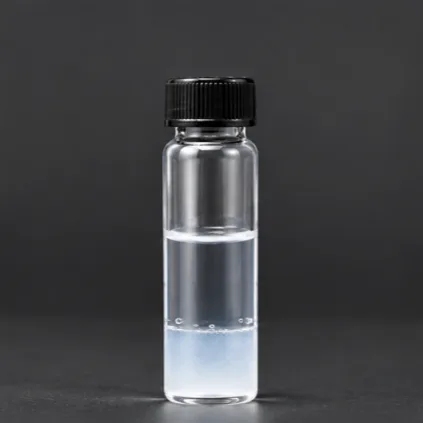
A gel made without chemical cross-linking agents
When two natural polymers are dissolved in water, they separate into two layers like oil and water, and the polymers gather in one layer to form a net-structured gel. Thanks to this principle, called aqueous two-phase separation, a stable hydrogel can be made without chemical cross-linking agents, reducing the burden on sensitized skin.
03 Sealing
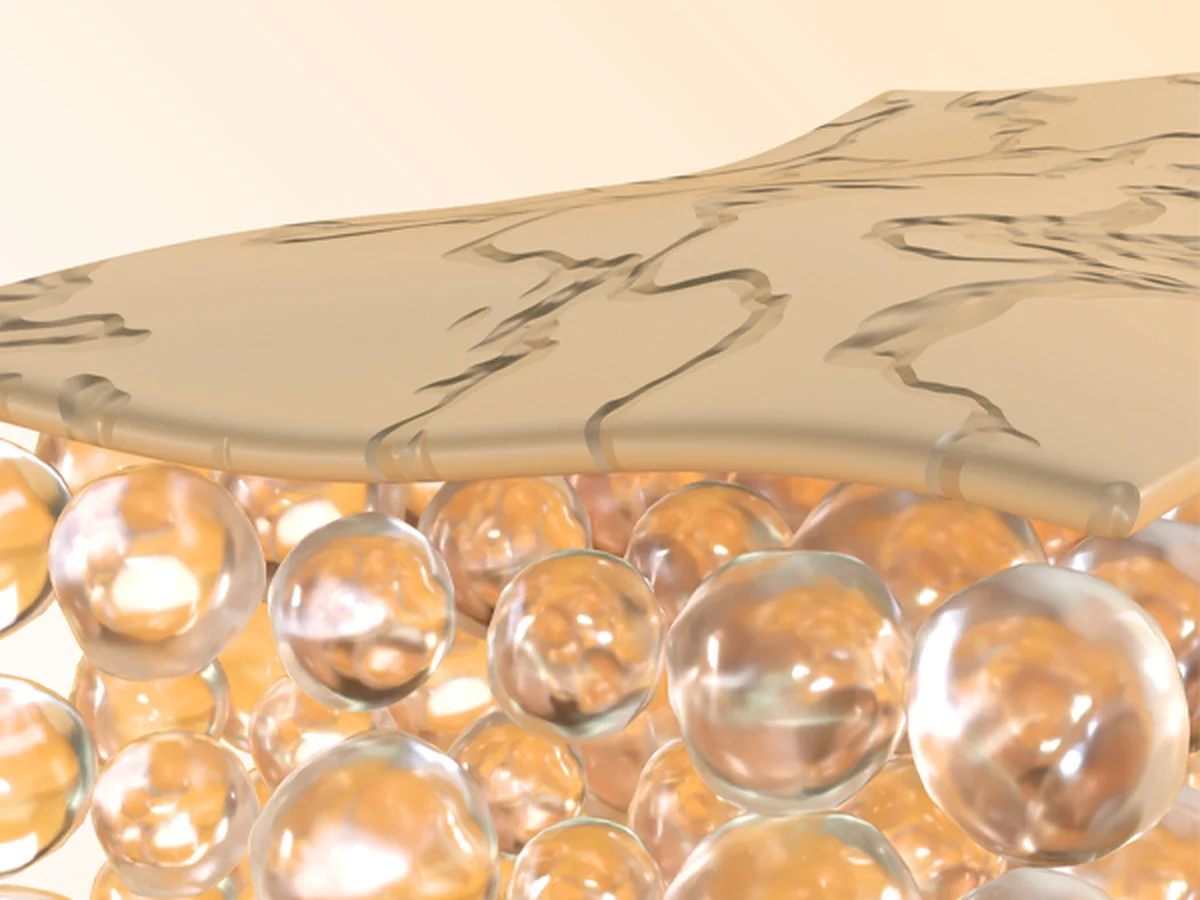
A protective film that forms the moment it is applied
When applied to the skin, the polymer ingredients bond on their own to form a thin film on the skin surface. While this film blocks dust and irritants, the ingredients are delivered into the skin from the inside to help the damaged barrier recover. Doing protection and delivery in one step is what sets it apart from an ordinary soothing cream.
How DER AaN uses zipiderm Looking at the procedure, choosing the ingredient, and managing recovery
SEEChecking the procedure received · skin response
We look at which of laser, radiofrequency or skin booster you had, and how much redness, heat and dryness there is right after.
PLANChoosing EGF · PDRN · DVP
If barrier recovery comes first, EGF; if redness and inflammatory reaction are the worry, PDRN; if tone and dullness are the concern, DVP — we choose the line that suits your skin.
CAREApplication right after the procedure · home care guidance
zipiderm is applied to the skin after the procedure to form a protective film, and we advise on washing, moisturizing and sun protection for the following days.
Chosen according to your skin condition:zipiderm EX three lines
EGFSkin Restoration
A growth factor line that supports epidermal regeneration and recovery of a damaged barrier
PDRNCollagen boosting
A line that wakes up fibroblasts and calms redness · inflammatory reactions
DVPSkin Revitalizing
A line that cares for tone and skin texture with vitamin C derivatives and peptides
By changing the ingredient carried on the same protective layer, we tailor it to the procedure and your skin condition.
ZIPIDERM
Even after the procedure ends, The skin's recovery continues.
After Care
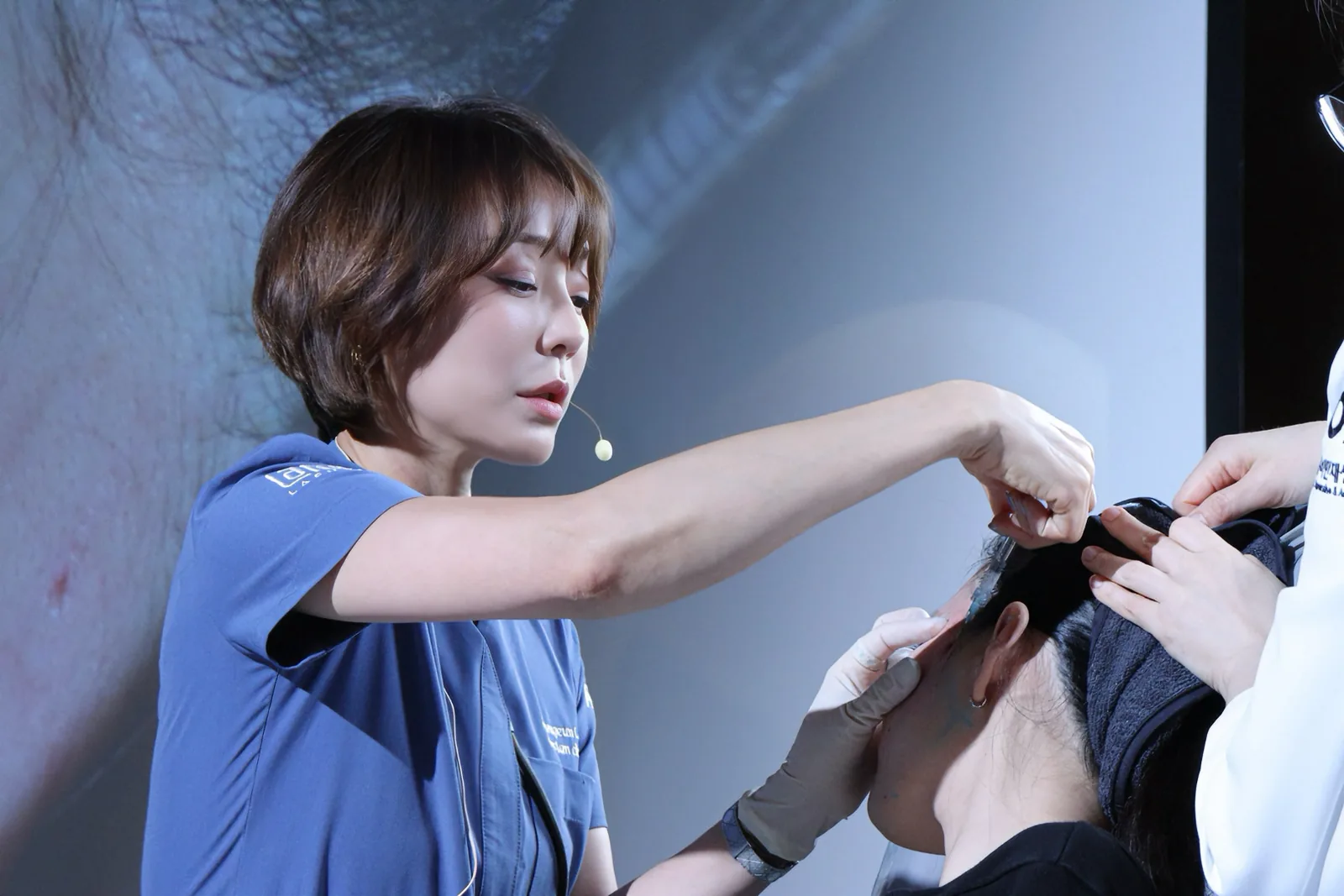
The director personally looks after recovery after the procedure looks after it personally
Dr. Kyungeun Lee, Medical Director
Ulthera Train The Trainer — energy-based device treatment design
Official Key Doctor for Merz · Sinclair · Estepharm
Publications Director, Korean Society of Aesthetic, Obesity and Regenerative Medicine (KORA)
These are the questions we receive most often at consultations, such as when to use it, choosing a line, and which procedures to combine. The answer can differ depending on the procedures you have had and your skin condition.
Is zipiderm a procedure or a cosmetic?
zipiderm is a bio-derma product exclusively for clinics, applied after procedures such as lasers, energy-based devices and skin boosters. Rather than a separate procedure, it is carried out together as the final step of a procedure, protecting sensitized skin and supporting recovery.
Does it sting or hurt when applied?
Because it is applied to the skin without needles or energy, there is almost no pain. The skin is sensitive right after the procedure, so you may feel a slight warmth at first, but it usually settles quickly, and how much you feel varies from person to person.
When and how much is it used?
It is applied at the clinic right after the procedure, and care is matched to the recovery period of about three days when the skin is most sensitive after treatment.
How do I choose between EGF, PDRN and DVP?
If the barrier is weakened and flaking, we mainly recommend EGF; if redness and heat linger, PDRN; and if tone and dullness are the concern, as with laser toning, DVP. It is decided at the consultation by looking at the procedure you had and your skin response.
After which procedures is it good to use?
It is used together when the skin has fine channels or has been exposed to heat, such as after laser procedures like fractional laser and toning, energy-based device procedures like radiofrequency and ultrasound, and skin booster injections. It is best applied right after the procedure so the ingredients are delivered along the channels created by it.
How is it different from ordinary soothing creams or regeneration ointments?
When applied, zipiderm forms a thin hydrogel film on the skin that blocks external irritation, and delivers the bioactive ingredients inside little by little over a long period. Combining protection with ingredient delivery is what sets it apart from a cream that merely moisturizes.
What should I be careful about after the procedure?
After applying so that the protective film settles, do not rub it, and avoid makeup, saunas and alcohol on the day of the procedure. For a few days, use a gentle cleanser and take careful sun protection. If itching or redness becomes severe, stop use and let the clinic know.
Results and how long they last may differ depending on individual skin condition, and our medical staff will explain possible side effects during the consultation.


 01 BioMatrix
 02 Two-Phase
 03 Sealing